AI Pergola Design Generator for Backyard Shade Ideas
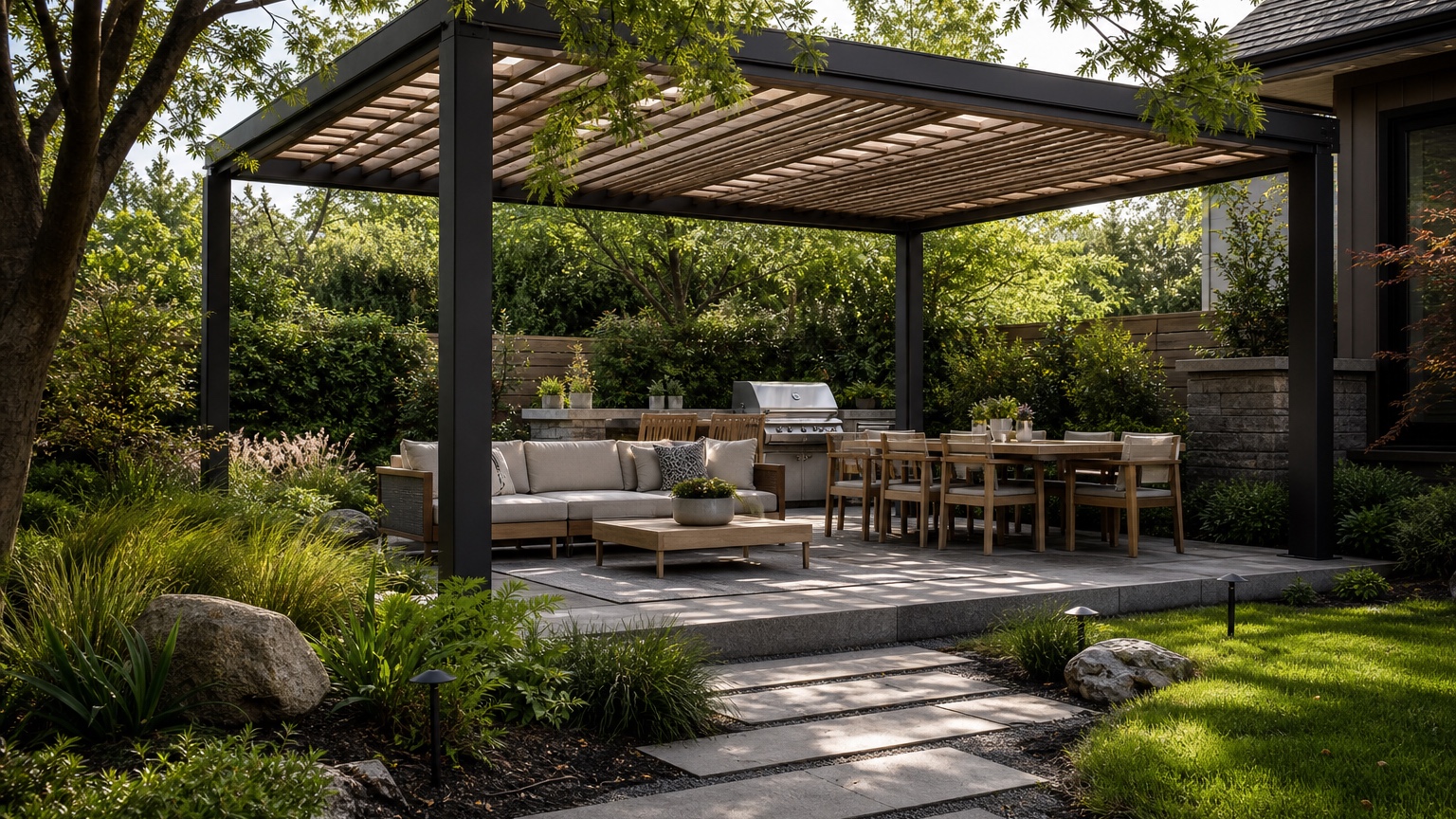
An AI pergola design generator is useful when it helps you decide where shade belongs, what style fits the house, and whether a pergola improves the outdoor room before anyone orders posts, beams, hardware, canopy panels, lighting, or climbing plants. A pergola can make a patio or deck feel intentional, but the wrong placement can block a door, crowd a dining table, cast shade in the wrong place, or create a structure that looks disconnected from the yard.
For homeowners, the hard part is usually not liking pergolas in general. It is deciding whether the backyard needs a freestanding pergola, an attached pergola, a small shade frame over dining, a modern louvered structure, a softer garden pergola, or no pergola at all. For outdoor contractors, the challenge is turning a broad request for “shade and style” into a visual option that can be discussed, measured, priced, and checked against site constraints.
RedesAIgn can support that early visual planning step. Upload a clear yard or patio photo, choose the landscape-focused editor, and use prompts, remixing, reference images, saved prompts, and history to compare pergola design revisions. You can try RedesAIgn for free with 5 free AI credits and no credit card required. If you need more concept rounds later, one-time credit packs are available.
AI Pergola Design Generator: the real decision this article should help with
The real decision is pergola placement and style. Outdoor contractors need to preview whether the structure should attach to the house, sit over an existing patio, define a detached lounge zone, frame an outdoor kitchen, soften a poolside edge, or create a transition between deck and garden. Homeowners need to understand how the pergola affects shade, circulation, views, maintenance, and budget.
The preview should show whether shade, proportion, and furniture layout work before you commit to a pergola style. A pergola that looks beautiful in a catalog may fail in a real yard if the posts land in walkways, the beams conflict with rooflines, the structure throws shade away from seating, or the height feels wrong against the house. A photo-based generator makes those conflicts easier to see while the idea is still cheap to revise.
For a pergola, the useful answer is a clearer shade strategy, placement option, material direction, or contractor question. A strong result might help you ask for a quote on a 12-by-14 freestanding pergola over an existing paver patio, compare wood versus black metal, test a slatted roof instead of fabric shade, keep a grill outside the covered area, or decide that a simple umbrella and planting screen solve the problem better.
AI Pergola Design Generator as a generator workflow
Use the generator to produce several usable directions, not one overloaded dream yard. Start with a restrained version that adds a pergola to the most logical existing surface. Then create a more lifestyle-focused version with dining, lounge seating, lighting, or privacy. Finally, test a bolder style only if the first two versions preserve the yard accurately. The comparison should help you choose, not overwhelm you.
This matters because pergolas sit at the intersection of architecture and landscape. The structure should relate to the house materials, roofline, doors, windows, deck, patio, fence, planting, and paths. A modern black pergola may sharpen a contemporary patio but look harsh against a cottage garden. A rustic cedar pergola may warm up a yard but require more maintenance. A louvered system may offer flexible shade, but cost, drainage, wiring, and installation details become more important.
Judge the result before anyone acts on it. Does the pergola shade the seating area at the time of day that matters? Do posts land outside chair movement and path clearances? Does the structure align with the patio, deck, or house wall? Is the height believable? Does it still look like the original yard? If the answer is unclear, generate a cleaner version focused only on placement.
AI Pergola Design Generator input checklist for a believable result
Prepare wide yard angles in natural daylight. Capture the patio, deck, back door, roof overhang, siding, windows, fence, planting, lawn edge, side gate, grade changes, existing paths, trees, drainage clues, and any outdoor furniture that shows how the space is used. If shade is the main issue, take photos when the problem is visible: afternoon glare, uncovered dining, hot pavers, or an exposed west-facing wall.
Decide what must stay recognizable in the original yard or garden for this pergola design edit. Maybe the house wall, door, windows, roofline, deck stairs, patio footprint, pool fence, mature tree, outdoor kitchen, lawn boundary, or property line cannot move. Name these fixed elements in the prompt. If the AI changes the roof, moves the door, invents a new patio, or places posts through a walkway, the image is not ready for planning.
Add reference images only when they clarify pergola style, material, color, or mood. A reference can communicate cedar beams, slim black metal, white traditional posts, a Mediterranean vine-covered structure, modern louvers, string lights, or a privacy screen. It should not force an unrelated estate pergola into a compact suburban yard. The original photo should control scale and feasibility.
AI Pergola Design Generator: outdoor layout and maintenance tradeoffs
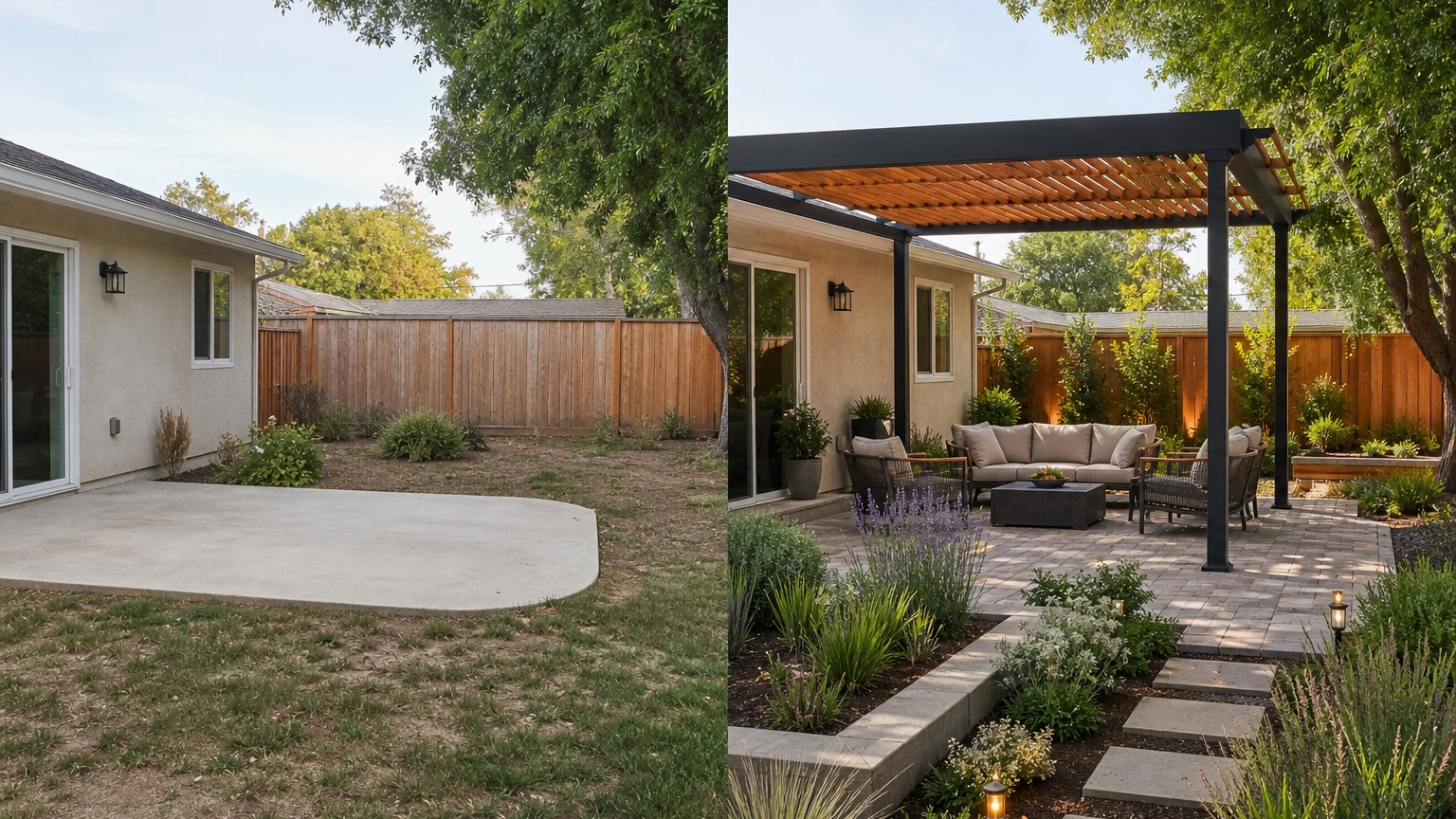
Traffic paths, seating zones, shade, privacy, and upkeep should guide every pergola concept. A dining pergola needs enough room for chairs to pull out without hitting posts. A lounge pergola should frame conversation or a view rather than trap furniture in a corner. A pergola near a grill or outdoor kitchen needs clearance, ventilation, and fire-safety review. A pergola beside a pool must respect barriers, slip conditions, and supervision sightlines.
Plants and hardscape choices affect budget and seasons. A generated image may show mature vines, glowing lights, full planters, stone paving, curtains, and perfect furniture in one step. In reality, vines take time and may drop leaves, stain surfaces, attract bees, or need pruning. Fabric shades may fade or collect wind. Wood needs finishing. Metal can heat up. Lighting may require electrical planning. Pavers under the pergola may need base work before the structure is installed.
Climate and drainage need real review. In hot regions, shade density and orientation matter more than ornament. In wet or snowy regions, roof type, footing depth, water shedding, and material durability matter. In windy areas, a lightweight shade canopy can become a maintenance problem. If the pergola attaches to the house, flashing, ledger details, roof drainage, and structural connection need professional evaluation.
AI Pergola Design Generator prompt brief for stronger pergola design results
Start the prompt with the outcome: “Create a realistic outdoor upgrade plan for this yard focused on pergola placement and style.” Then list the fixed elements and the constraint you want to test. A good prompt gives the AI a design brief, not a blank invitation to redesign the whole backyard.
For a homeowner shade concept, try: “Use this backyard patio photo to preview a realistic pergola design. Preserve the house, back door, windows, patio footprint, fence, existing tree, and lawn boundary. Add a pergola that shades the dining area, keeps clear walking paths, fits the house style, and uses low-maintenance materials. Include simple lighting and planting only where they support the pergola concept.”
For a contractor comparison, try: “Generate three controlled pergola design variations on the same yard photo: one cedar freestanding pergola over the patio, one slim black metal pergola with partial shade slats, and one attached white pergola aligned with the back door. Do not change the house, roofline, doors, windows, fence, patio shape, main trees, or yard size.”
Name pergola design constraints such as climate, water, drainage, maintenance, utility access, budget, code review, and contractor feasibility. If the pergola must avoid a sewer line, say so. If you want no vines, say so. If shade is needed at 5 p.m. rather than noon, say so. Controlled variations produce better planning images than a single prompt that requests every outdoor feature at once.
AI Pergola Design Generator output review before anyone trusts the image
Check pergola scale, edges, lighting, and consistency with the original image. Posts should land on believable surfaces, not in grass where no footing plan exists or in the middle of a path. Beams should align with the perspective of the patio or house. The height should clear doors, windows, and furniture without feeling comically tall. Shadows should make sense for the source image.
Test the pergola concept against sun angle, wind exposure, anchoring, drainage around posts, upkeep, and whether the structure fits the patio budget. A vine-covered pergola may be wrong for a low-maintenance rental. A fabric canopy may be wrong for high wind. A dark metal structure may be uncomfortable in intense sun. An attached pergola may be impossible without structural and waterproofing work. The image should open those questions early.
Save the strongest pergola design version as a zone plan, planting and hardscape comparison, and maintenance note set. Label what is fixed, what is optional, and what needs a real quote. A contractor still needs measurements, post locations, footing details, attachment method, materials, local code review, utility checks, and product specifications before construction.
AI Pergola Design Generator mistakes that make results look generic
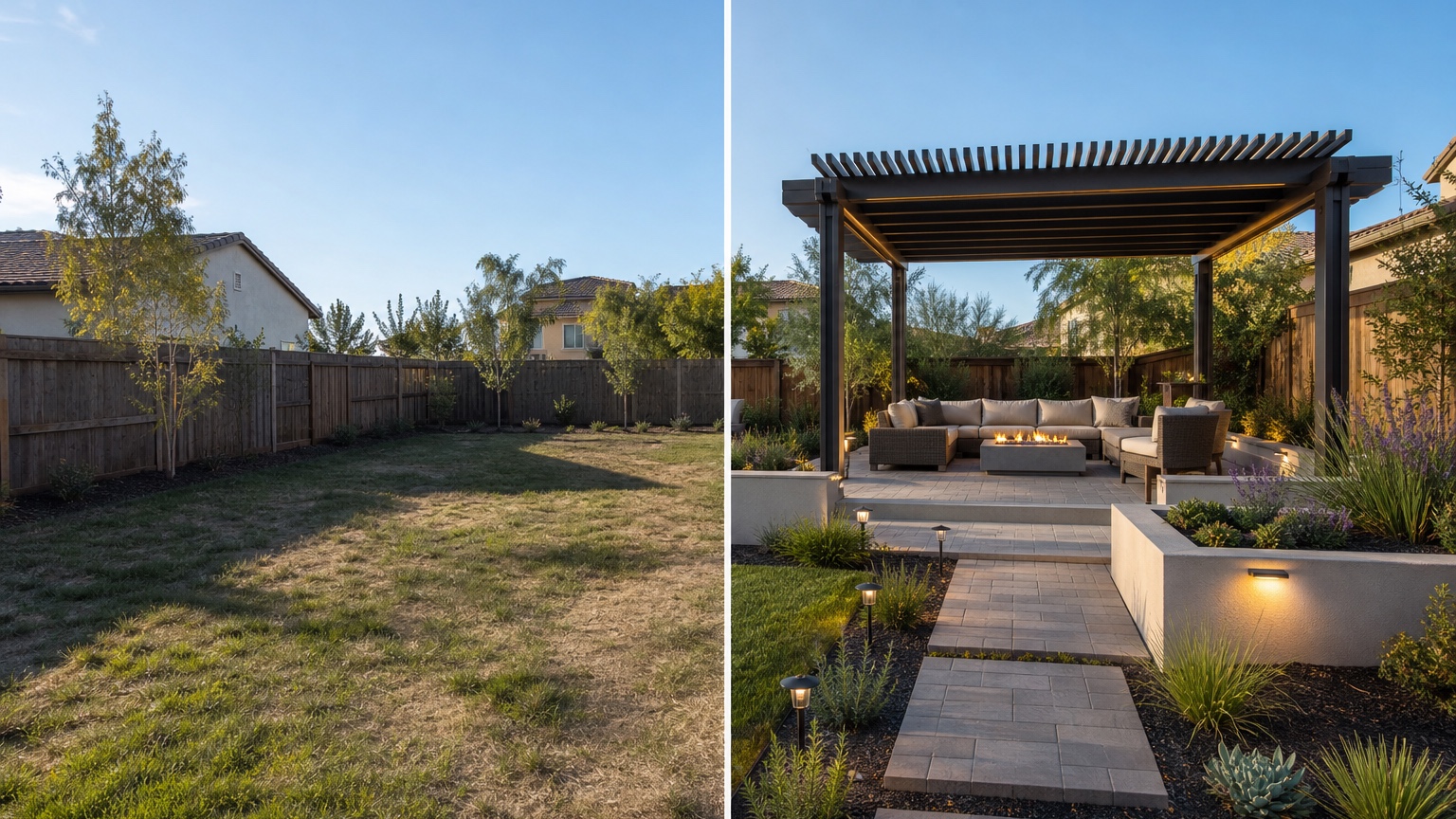
The first mistake is uploading a weak photo of the yard or garden. A close-up of patio furniture does not show rooflines, doors, sun direction, paths, fences, or the surface where posts might land. Retake wide daylight photos from the house, the yard, and the side approach so the generator has enough context.
The second mistake is asking for unrelated pergola design changes that blur the decision. “Add a pergola, pool, outdoor kitchen, new deck, fire pit, full garden, privacy wall, and luxury lighting” may look exciting, but it will not isolate pergola placement. Separate shade, structure, furniture, planting, and lighting into different rounds.
The third mistake is ignoring how to avoid random concepts that cannot be acted on. A pergola image should help you choose approximate location, size, material, shade type, and next questions. If it cannot be measured, priced, maintained, or explained to an installer, it needs another pass.
AI Pergola Design Generator workflow in RedesAIgn from first image to action
In RedesAIgn, choose the editor built for the yard or garden and upload the clearest wide photo. RedesAIgn includes 10 AI editors, so pergola planning can stay separate from facade, interior, and product-style experiments. Start with a realistic placement prompt, then remix the best version to test material, roof density, post location, lighting, furniture, privacy, or planting.
Use saved prompts and history to compare revisions without losing the version that preserved the yard correctly. Reference images can help when you need a specific pergola language, such as cedar, black metal, white traditional, modern louvered, or vine-covered garden style. Keep the original yard in control of scale, circulation, and fixed features.
Share the final AI pergola design generator reference with a landscaper, hardscape contractor, deck contractor, realtor, host, or hospitality marketer when execution matters. RedesAIgn-generated images can be used commercially where relevant, but the installed pergola still needs measurements, code review, structural details, utility checks, product choices, permits, and professional judgment. If the pergola sits on a broader outdoor plan, compare it with the pending AI patio design generator, AI deck design ideas, AI outdoor living design, and AI garden planner from photo. If the shade structure changes how the rear elevation looks, AI exterior design from photo can help coordinate house materials and outdoor additions.
Pergola questions to answer before committing
Before asking for pricing, turn the selected image into a short pergola brief. Where should the posts land? What area should be shaded? Is the pergola attached or freestanding? What material direction fits the house? Is the goal dining shade, lounge atmosphere, privacy, plant support, rental appeal, or a defined outdoor room?
Then confirm the real-world constraints: dimensions, sun path, wind, drainage, utilities, footing locations, local rules, HOA limits, roof attachment, electrical needs, material maintenance, and budget. Mark the approximate post locations with tape or temporary markers and test furniture clearances. The best AI pergola design generator output is not the most luxurious image. It is the version that helps you decide whether the pergola belongs there, what it should look like, and what a professional should verify next.
Try these prompts in redesAIgn
Redesign this front yard with a stone walkway, low-water plants, and clean planting beds.
Create a backyard seating patio with string lights, shrubs, and a simple lawn edge.
Add curb-appeal landscaping with layered greenery while keeping the driveway clear.
Related guides
- AI Landscape Architecture Generator for Early Outdoor Concepts
Use an AI landscape architecture generator for early outdoor concept exploration, studio reviews, feasibility checks, and photo-based design iteration.
- AI Landscape Visualizer: Preview Yard Changes Before You Commit
Use an AI landscape visualizer to preview realistic yard changes from a photo, compare landscaping options, and reduce decision risk before outdoor work.
- AI Lawn Makeover Ideas: Turn a Plain Yard Into a Plan
Use an AI lawn makeover to preview lawn shape, planting borders, paths, edging, seating, and practical yard upgrades before hiring or starting work.
- AI Xeriscape Design Ideas for Low-Water Yards
Use AI xeriscape design to preview low-water planting, gravel, paths, shade, irrigation zones, and maintenance tradeoffs before changing your yard.
- AI Backyard Makeover: Generate Outdoor Design Before and Afters
Use an AI backyard makeover workflow to preview layout zones, maintenance tradeoffs, before-and-after options, and practical next steps from a real yard.