AI Patio Design Generator: Test Layouts Before Building
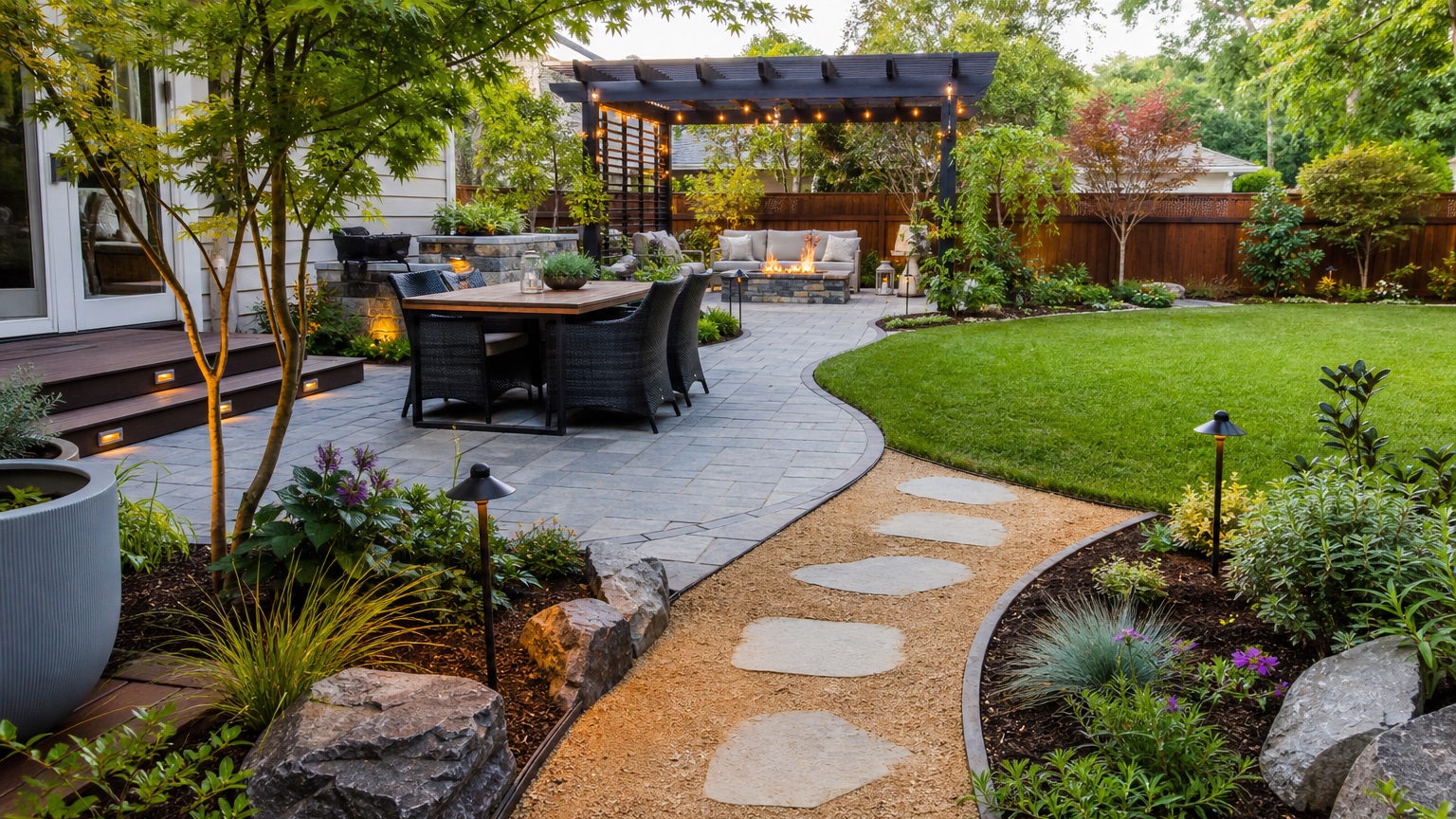
An AI patio design generator is useful when it helps you compare patio materials and layouts before a contractor starts pricing work. A patio decision is rarely just “pavers or concrete.” It affects how people leave the house, where a table fits, whether a grill has a safe location, how shade moves across the yard, how water drains, what planting frames the hardscape, and how much maintenance the outdoor room will need.
For homeowners, the risk is building a patio that looks good in isolation but feels awkward once furniture, sun, pets, kids, or guests arrive. For patio contractors, the risk is quoting a vague idea and discovering later that the client imagined a different footprint, material, border, or seating zone. A photo-based concept makes the early conversation clearer because it shows the proposed patio inside the real yard.
RedesAIgn can support that visual planning step. Upload a clear yard photo, choose the landscape-focused editor, and use prompts, remixing, reference images, saved prompts, and history to compare controlled patio revisions. You can try RedesAIgn for free with 5 free AI credits and no credit card required. If you want more explorations after that, one-time credit packs are available.
AI Patio Design Generator: the real decision this article should help with
The real decision is how the patio should work. A useful preview should help you decide whether the patio belongs tight to the house, slightly detached in the yard, wrapped around an existing deck, connected to a side gate, or broken into separate dining and lounge zones. It should also help compare materials such as concrete, pavers, gravel, stone slabs, tile-look porcelain, or wood-look decking when those options affect cost and maintenance.
Patio contractors need visuals that reduce uncertainty around the outdoor upgrade plan. If a homeowner says “modern patio with seating,” that can mean a compact concrete slab, a large paver terrace, a dining area under a pergola, or a gravel lounge zone with stepping stones. A generator workflow can produce separate versions so each quote discussion starts with a visible direction.
The useful answer is a concrete next step, not generic AI decoration. A strong result might help you decide to price a 14-by-18 paver patio, keep the grill near the back door, add a privacy planting strip along the fence, avoid a fire pit under trees, or phase the project by installing hardscape before lighting. If the image does not make the next decision easier, revise the prompt.
AI Patio Design Generator as a generator workflow
Do not ask for the dream patio, the outdoor kitchen, the pergola, the fire pit, the full garden, the pool, and the lighting plan in one generation. Start with the footprint. Generate one modest version that cleans up the existing patio, one practical version that improves seating and circulation, and one bolder version that tests a larger hardscape area. This makes the comparison useful instead of theatrical.
A patio generator matters for a yard or garden because hardscape controls the rest of the landscape. Once the patio edge is set, lawn shape, planting beds, drainage routes, furniture clearance, and privacy screening all have to respond. A patio that is too large can consume planting opportunities and increase heat. A patio that is too small can force furniture into paths and make the yard feel unfinished.
Judge each result by function before style. Can people walk from the door to the table without squeezing past chairs? Is the grill downwind and away from siding? Does water appear to move away from the house? Does the seating have a reason to face a view, garden, fire feature, or conversation area? Does the concept still look like the original yard?
AI Patio Design Generator input checklist for a believable result
Start with wide yard angles. Take one photo from the house looking out, one from the far corner looking back, and one from the main gate or side path if access matters. Include sun and shade, slope, downspouts, low spots, fences, existing patios, steps, doors, utility areas, retaining walls, fixed paths, mature trees, and neighboring views. The AI cannot plan around a drain or gate that is cropped out.
Decide what must stay recognizable in the original yard or garden. Maybe the fence, back door, deck stairs, existing tree, lawn area, garden bed, side gate, AC unit, retaining wall, or property line cannot move. Put that in the prompt. If the output casually removes a mature tree, changes the grade, invents a new house wall, or hides a drainage issue behind plants, treat it as inspiration only.
Add reference images only when they clarify patio style, material, color, or mood. A reference can communicate tumbled pavers, large-format slabs, warm gravel, Mediterranean tile, modern concrete, or a softer garden patio. It should not override the source photo. The real yard should remain the anchor for scale, access, slope, and circulation.
AI Patio Design Generator: outdoor layout and maintenance tradeoffs
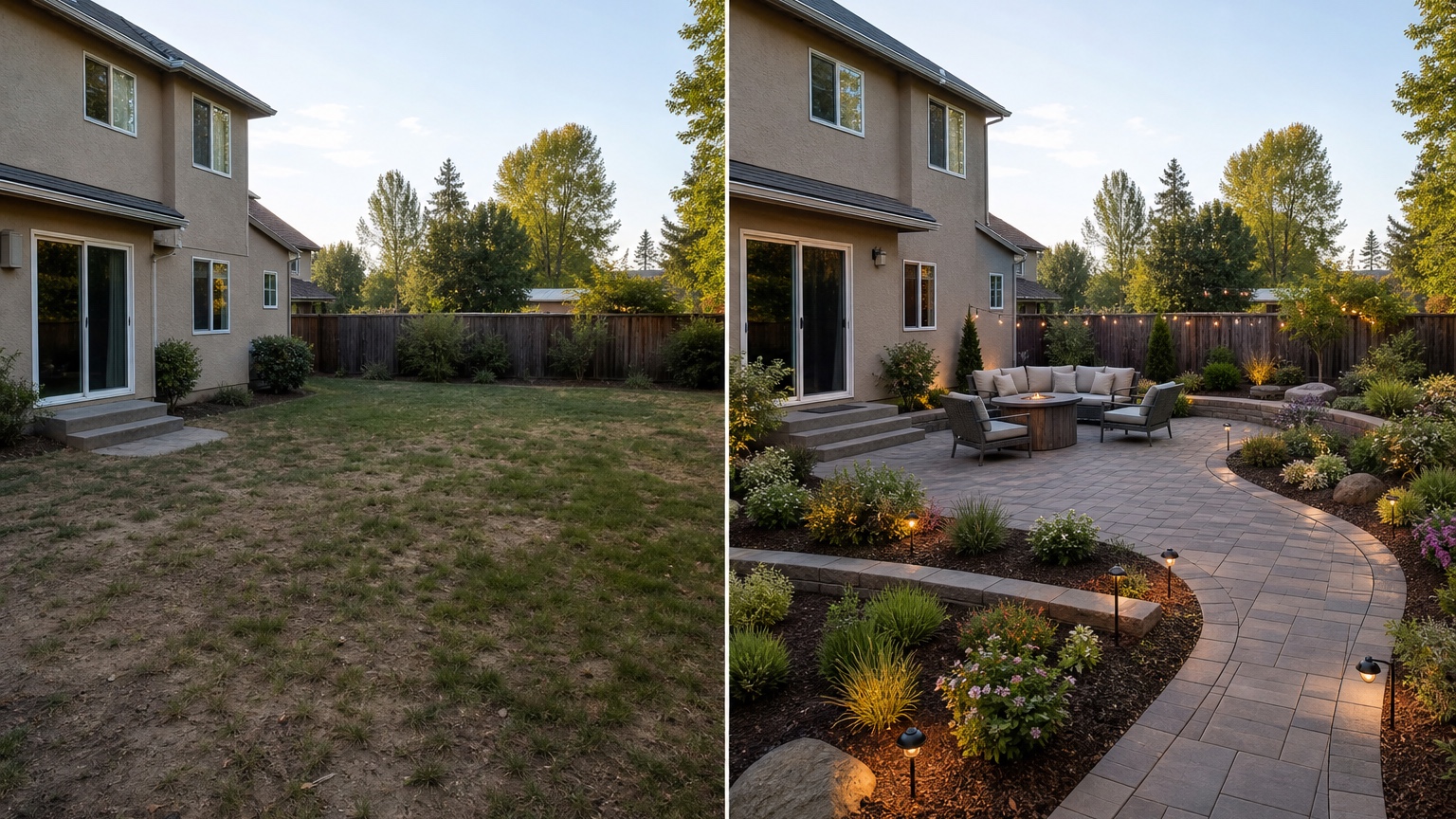
A good patio concept balances traffic paths, seating zones, shade, privacy, and upkeep. Dining usually wants a direct route to the kitchen. Lounge seating may prefer evening shade or a view into planting. A fire feature needs clearance from structures, trees, fences, and furniture. A path to the gate should remain obvious even when chairs are pulled out.
Material choice changes both budget and behavior. Pavers can create a refined, repairable surface but need base preparation, edge restraints, and joint maintenance. Concrete can be efficient and clean but may crack or feel plain without scoring, borders, or planting. Gravel can be affordable and permeable, but it is less friendly to dining chairs and may migrate. Natural stone can look premium, yet thickness, availability, freeze-thaw performance, and installation cost matter.
Plants and hardscape affect seasons. A generated image may show full shrubs, grasses, and flowers softening every patio edge, but real plants need spacing and time. Evergreen structure, mulch, gravel, ornamental grasses, bark texture, and lighting may be needed when perennials are dormant. If the patio will be used for rentals or hospitality marketing, guest circulation, durability, and easy maintenance matter as much as the finished photo.
Climate and drainage need real review. A patio against the house must slope correctly and avoid trapping water. A sun-baked surface may need shade strategy, lighter materials, trees, or umbrellas. A wet yard may need drainage work before new hardscape. Use the image to decide what deserves a contractor conversation, not as a substitute for grading, base, or code guidance.
AI Patio Design Generator prompt brief for stronger patio design results
Start the prompt with the outcome: “Create a realistic outdoor upgrade plan for this yard with a buildable patio layout.” Then name the fixed elements and the decision you want to test. A focused prompt gives the AI a planning assignment instead of a decoration request.
For a homeowner patio layout, try: “Use this backyard photo to preview a realistic patio design. Preserve the house, back door, steps, fence, existing tree, grade, and lawn boundary. Add a practical paver patio for dining, a smaller lounge area, a clear path to the gate, simple planting along the fence, and low-maintenance materials. Keep the design feasible for a patio contractor to price.”
For a material comparison, try: “Show three controlled patio design directions on the same yard photo: one brushed concrete version, one warm paver version, and one gravel-and-stone version. Do not change the house, fence, doors, main trees, or yard shape. Focus on patio material, edge treatment, seating layout, privacy planting, and circulation.”
Name constraints such as climate, water, drainage, maintenance, and contractor feasibility. If equipment access is narrow, say so. If the budget favors phased work, say so. If the yard must remain pet-friendly, say so. Controlled patio design variations are better than one overloaded prompt because each image tests a different build decision.
AI Patio Design Generator output review before anyone trusts the image
Check scale first. A dining table needs chair clearance. A lounge area needs room for circulation. Steps should not dump directly into furniture. A fire feature should not crowd the fence or overhang. Planting beds should have enough depth for mature shrubs or grasses instead of becoming decorative green stripes.
Check edges, lighting, and consistency with the original image. Pavers should follow perspective. Patio edges should meet steps, lawn, walls, and paths believably. Shadows should match the source photo. If the AI flattens a slope, erases a downspout, changes the fence line, or invents a retaining wall without acknowledging grade, the result needs revision.
Compare the concept against climate, water, drainage, maintenance, and contractor feasibility. A beautiful low patio may be wrong if the yard drains toward the house. A large dark surface may be uncomfortable in hot afternoon sun. A complex pattern may exceed the budget. Save the strongest version as a zone plan, hardscape comparison, and maintenance note set, then use it to ask for measurements, samples, and quotes.
AI Patio Design Generator mistakes that make results look generic
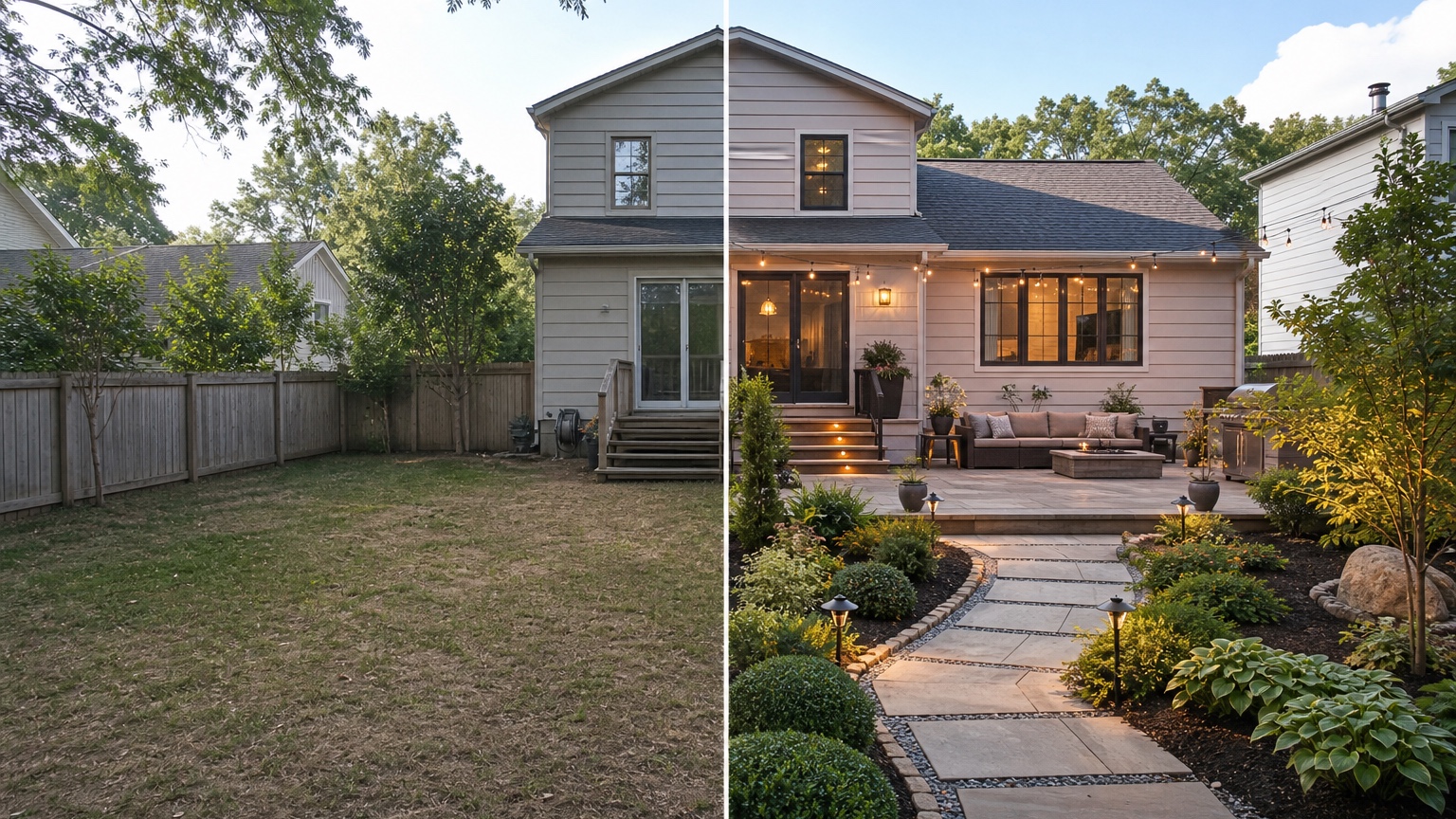
The first mistake is uploading a weak photo. A cropped corner of the yard will not show how the patio relates to the house, gate, slope, sun, or drainage. Retake the photo in daylight, keep the camera level, and show the full area where people will move.
The second mistake is asking for unrelated patio design changes that blur the decision. A prompt that adds a pool, pergola, outdoor kitchen, new deck, fire pit, full garden, lighting, and retaining walls may produce a dramatic image, but it will not isolate the patio layout. Separate footprint, material, shade, and planting decisions into different generations.
The third mistake is ignoring actionability. If a patio concept cannot be priced, phased, maintained, or explained to a contractor, it is not ready. The most useful AI patio design generator result is often the restrained version that clarifies size, material direction, and circulation.
AI Patio Design Generator workflow in RedesAIgn from first image to action
In RedesAIgn, choose the editor built for outdoor and landscape scenes, upload the clearest yard angle, and begin with a restrained prompt. RedesAIgn includes 10 AI editors, so you can keep patio planning separate from interior, exterior, and other visual tasks. Generate one practical concept first, then remix the best result to test material, footprint, seating, shade, privacy, lighting, or planting density.
Use saved prompts and history to compare revisions without losing the version that worked. Reference images can help when you need a specific paver color, gravel mood, or modern slab pattern. Keep the original photo in control of scale. If the patio connects to a broader yard plan, compare ideas with the pending AI backyard design generator and AI garden design generator. If the patio changes how the house elevation feels, review AI exterior design from photo.
Share the final reference with a landscaper, hardscape contractor, realtor, host, or hospitality marketer when execution matters. RedesAIgn-generated images can be used commercially where relevant, but the built project still needs measurements, drainage review, material samples, product choices, permits, and professional judgment. The image should shorten the path from “we want a patio” to “here is the version worth pricing.”
Patio questions to answer before building
Before committing, ask what the preview can show accurately: general footprint, seating relationship, hardscape mood, privacy intent, planting edge, and circulation. Then ask what still needs real-world confirmation: dimensions, slope, drainage, base depth, utilities, material availability, fire safety, local rules, and cost.
Use the selected concept as a working brief. Mark the patio footprint with stakes, test furniture clearances, collect material samples, ask how water will move, and request a quote for the simplest buildable phase. The best AI patio design generator output is not the most elaborate scene. It is the image that helps you build the right patio once instead of rebuilding the idea later.
Try these prompts in redesAIgn
Redesign this front yard with a stone walkway, low-water plants, and clean planting beds.
Create a backyard seating patio with string lights, shrubs, and a simple lawn edge.
Add curb-appeal landscaping with layered greenery while keeping the driveway clear.
Related guides
- AI Landscape Architecture Generator for Early Outdoor Concepts
Use an AI landscape architecture generator for early outdoor concept exploration, studio reviews, feasibility checks, and photo-based design iteration.
- AI Landscape Visualizer: Preview Yard Changes Before You Commit
Use an AI landscape visualizer to preview realistic yard changes from a photo, compare landscaping options, and reduce decision risk before outdoor work.
- AI Lawn Makeover Ideas: Turn a Plain Yard Into a Plan
Use an AI lawn makeover to preview lawn shape, planting borders, paths, edging, seating, and practical yard upgrades before hiring or starting work.
- AI Xeriscape Design Ideas for Low-Water Yards
Use AI xeriscape design to preview low-water planting, gravel, paths, shade, irrigation zones, and maintenance tradeoffs before changing your yard.
- AI Backyard Makeover: Generate Outdoor Design Before and Afters
Use an AI backyard makeover workflow to preview layout zones, maintenance tradeoffs, before-and-after options, and practical next steps from a real yard.