AI Front Yard Landscaping Ideas From a House Photo
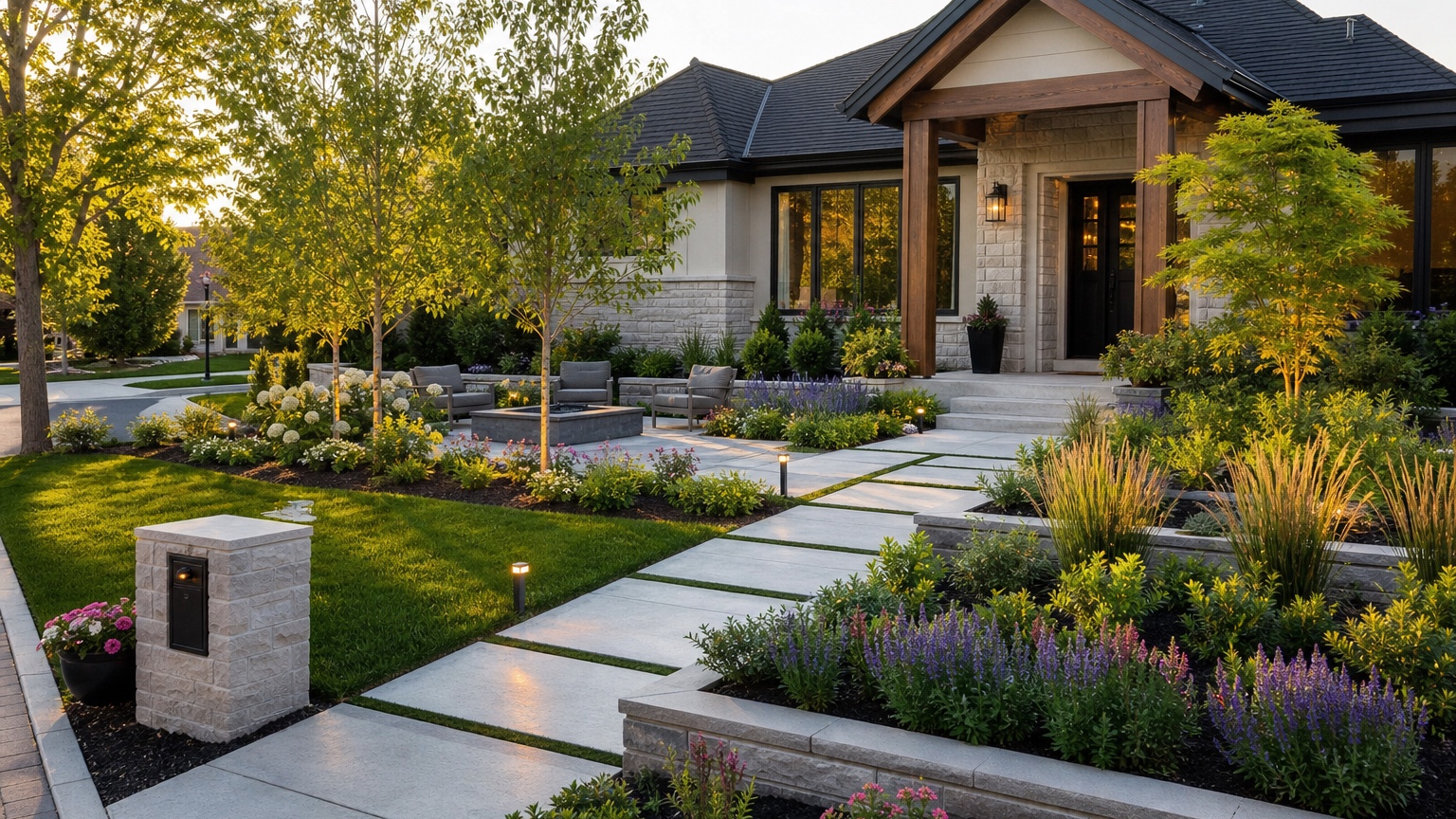
AI front yard landscaping is most useful when it answers a specific curb appeal question: what should this real front yard look like before you spend money on plants, mulch, edging, lighting, a walkway, or a larger landscape plan? Homeowners and realtors do not usually need a fantasy garden. They need a believable preview that makes the house feel better from the street while respecting the yard that already exists.
That means the best AI landscape concept is not judged only by beauty. It should clarify the next decision. Should the shrubs be lower so the windows are visible? Should the walkway be widened or softened with planting? Does the front door need stronger framing? Would a low-maintenance bed improve the listing photo more than a new lawn? A good visual answer helps you compare those options before buying materials or asking a landscaper for a quote.
RedesAIgn helps with this planning step because you can upload a real house photo, use a landscape-focused workflow, and guide the result with prompts, remixing, reference images, saved prompts, and history. If you want to test your own yard, start free with RedesAIgn and use 5 free AI credits with no credit card required.
AI front yard landscaping should solve the curb appeal decision
A front yard is the transition between the street and the home. It shapes how people read the property before they notice paint color, windows, or the porch. Overgrown shrubs can make a well-kept house look hidden. Empty beds can make the entry feel unfinished. A walkway that disappears into grass can make the front door feel less important. Too many small plants can create clutter instead of polish.
For homeowners, the practical decision is usually about priority. You may want a front yard that looks cleaner this season, a design that can be installed in phases, or a larger concept to discuss with a landscaper. For realtors, the decision is often more immediate: which visible changes would improve listing photos without misrepresenting the property?
AI front yard landscaping is helpful because it turns those choices into images. Instead of asking whether the yard needs “more curb appeal,” create one cleanup concept, one planting-structure concept, and one hardscape or lighting concept. The comparison reveals what actually moves the needle.
If the landscaping decision is part of a broader exterior refresh, compare it with related planning workflows such as AI curb appeal generator or AI exterior design from photo. For this article, keep the scope tighter: front yard layout, planting, paths, entry framing, and maintenance.
When to test front yard landscaping visually first
Use AI before spending money when the change is visible but hard to imagine from samples. Mulch color, plant height, bed shape, walkway width, edging material, lighting placement, and tree location all affect the house differently depending on architecture, roof color, sun exposure, slope, and the distance from the street.
A preview is especially useful before you remove mature shrubs, replace grass with planting beds, add a curved path, install stone borders, or choose a low-water landscape style. Those changes can be expensive to reverse. A generated concept will not confirm plant survival, but it can show whether the idea belongs with the house.
Realtors can use the same process for seller conversations. A concept image can explain why pruning the foundation planting, refreshing mulch, adding two planters, and cleaning the walkway may matter more than another decorative item on the porch. The key is to present the image as a planning concept, not as a completed listing photo unless the work has actually been done.
Landscapers and hardscape contractors can also benefit from a clearer reference. A homeowner who says “simple and modern” may mean clean gravel, boxwood structure, ornamental grasses, or a nearly empty bed. A photo-based concept gives everyone a starting point for discussing site conditions and budget.
Start with a photo that shows the yard honestly
The quality of the input photo controls how useful the output will be. Use a daylight image from the curb or sidewalk that shows the whole front elevation, lawn, beds, driveway edge, walkway, porch, steps, fences, trees, and any slope. A straight-on photo is good for judging symmetry and foundation planting. A three-quarter angle is often better for understanding the path from driveway or street to front door.
Avoid photos taken at dusk, heavy shadow, after rain glare, or with cars, bins, toys, hoses, temporary signs, and seasonal clutter blocking the yard. If the front yard has important sun and shade differences, take one photo when the shadows are not hiding the planting beds. If drainage or slope is part of the problem, include enough ground plane so the AI concept does not flatten the site into an impossible garden.
Before you generate, decide what must stay recognizable. Most practical front yard previews should preserve the house shape, driveway, main walkway, porch footprint, tree trunks, property edge, and major grade changes unless you are intentionally exploring a larger redesign. If the AI removes a slope or invents a new driveway, treat that result as inspiration rather than a plan.
Build the landscape around traffic, visibility, and upkeep
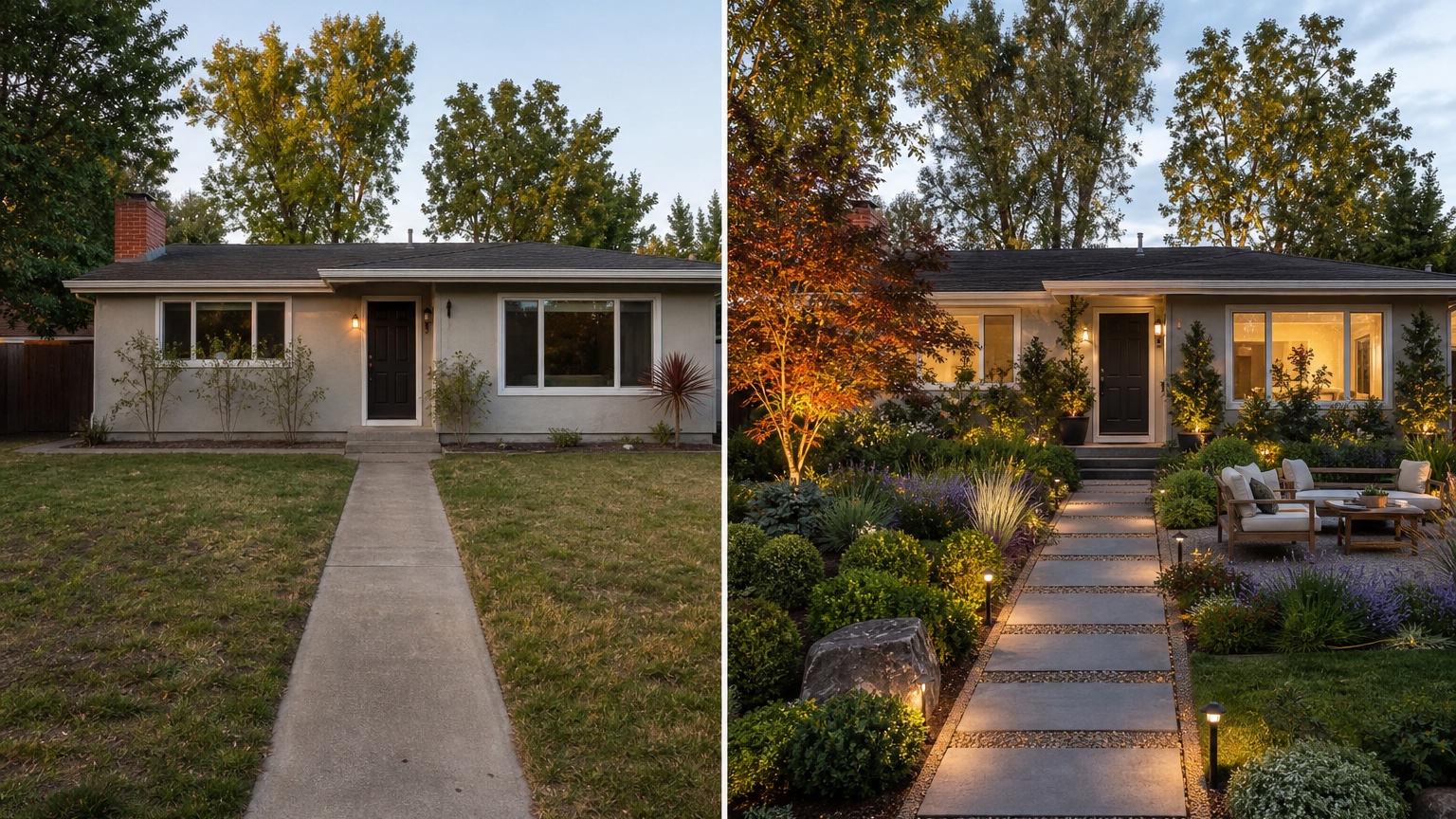
Front yard design is not only plants. It is a layout problem. People need to move from the street or driveway to the entry. Visitors need to understand where the front door is. Windows need enough clearance to feel open. The yard needs to look cared for in the season when it matters most.
Start with traffic paths. If the existing walkway is narrow, hidden, or disconnected from the driveway, test a version with a clearer path. This might mean a wider walk, a softer curve, stepping stones through a bed, or planting that guides the eye toward the entry. Do not let the AI place shrubs where people would naturally walk or block the porch steps with oversized planters.
Next, check visibility. Foundation planting should frame the house, not bury it. Low shrubs can define the base while keeping windows visible. Taller plants belong where they add structure without creating security, moisture, or maintenance problems. A small ornamental tree may look attractive, but it should not hide the front door in the primary curb view.
Then consider upkeep. A front yard can look wonderful in an AI image with perfectly full beds and uniform blooms, but the real question is whether you can maintain it. Ask for low-maintenance planting, drought-tolerant options, simple mulch beds, limited lawn expansion, or cleaner edges if those constraints matter. A realtor preparing a listing may need improvements that look good quickly. A homeowner planning long-term may accept slower-growing structure.
Prompt for a front yard upgrade plan, not generic landscaping
A strong prompt starts with the outcome. For a practical homeowner version, try: “Create a realistic front yard landscaping concept that improves curb appeal while preserving the house, driveway, porch, main walkway, mature trees, and grade. Add clean foundation planting, defined mulch beds, simple edging, entry lighting, and a low-maintenance planting mix.”
For a listing-prep version, narrow the scope: “Improve the front yard for real estate photos without major construction. Keep the lawn, driveway, walkway, porch, roofline, and windows unchanged. Prune overgrown shrubs, refresh mulch, add tidy low plants near the entry, clean the walkway edge, and make the front door more visible from the street.”
For a bolder landscape concept, allow more change but keep it believable: “Show an upgraded front yard landscape plan with a clearer walkway, layered planting beds, drought-tolerant plants, warm path lighting, and a more intentional entry sequence. Preserve the house architecture, driveway location, and main property shape.”
The constraints are as important as the style. Mention climate, water use, drainage, slope, maintenance level, HOA limits, pets, and whether a contractor will install the work. If you want a modern, cottage, desert, coastal, craftsman, or traditional look, say so, but do not rely on a style label alone.
Reference images can help when they clarify one specific detail: a gravel texture, a planting palette, a paver shape, or a low-water garden mood. Avoid loading the prompt with unrelated inspiration. Too many directions can produce a pretty image that does not answer the front yard question.
Generate controlled variations instead of one overloaded concept
One of the fastest ways to get generic AI landscaping is to request every possible improvement at once. New lawn, new path, new trees, new porch, new paint, new lights, new driveway, and new flowers may look dramatic, but it will not reveal which change matters.
Create separate versions. First, test a cleanup and pruning concept. This version should preserve the yard but show sharper edges, healthier beds, exposed windows, clean mulch, and a more visible entry.
Second, test a planting structure concept. This version can change bed shapes, plant heights, repetition, borders, and seasonal color while keeping hardscape mostly unchanged.
Third, test a hardscape and lighting concept. This version can explore walkway improvement, path lights, step lighting, edging, stone, gravel, or a small landing near the porch.
Label each image by purpose. A saved prompt called “front yard cleanup for listing” should not be confused with “front yard hardscape concept.” In RedesAIgn, saved prompts and history make it easier to return to the best direction, remix it, and adjust one variable instead of starting over.
Review the AI result before anyone acts on it
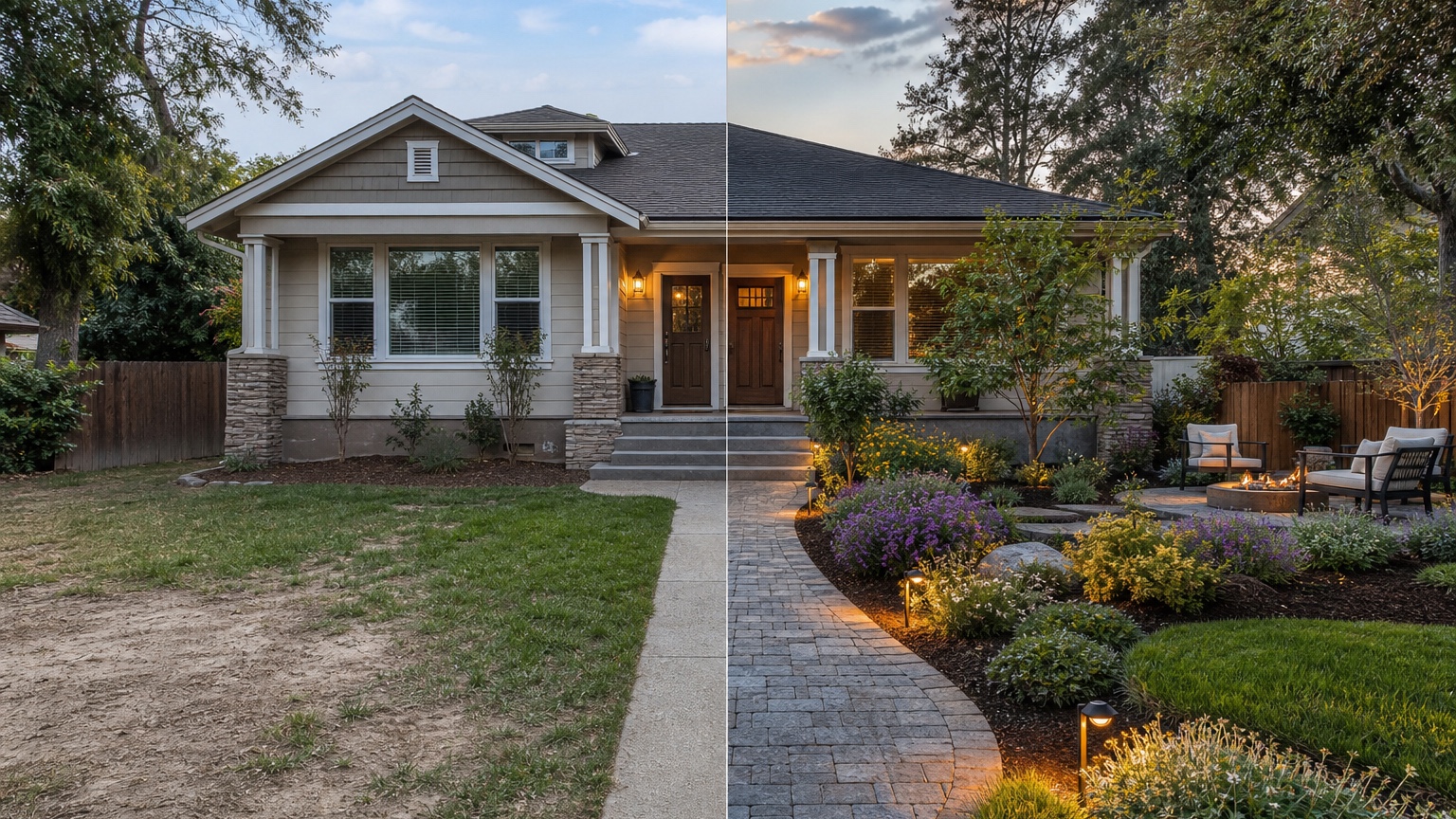
AI landscape images can be persuasive even when details are wrong. Review the concept like a practical checklist. First, check scale. Are plants sized appropriately for the house? Are shrubs too close to siding? Are trees placed where roots, utilities, or sightlines could become problems? Does the walkway look wide enough for real use?
Second, check consistency with the original photo. The house, entry, driveway, porch, windows, and grade should still make sense. Lighting and shadows should not disguise mistakes. Edging should follow the perspective of the yard. Beds should meet the lawn, walkway, and foundation in believable ways.
Third, compare the concept against climate and site conditions. A lush lawn may not fit a dry region. Gravel may not work on a steep slope without containment. Dense planting may require irrigation. If the concept depends on plant species, hardscape installation, grading, or irrigation, use it as a reference for professional review.
Finally, turn the selected image into notes. What stays? What changes? Which plants are approximate? Which materials need samples? What should be quoted first? The output becomes useful when it leads to a smaller next step: pruning, mulch, a planting plan, walkway estimate, lighting discussion, or listing-prep checklist.
Common mistakes that make front yard concepts less useful
The first mistake is uploading a weak yard photo. If the camera crops out the walkway, hides the porch, or shows the yard from an angle nobody uses, the AI may optimize the wrong view.
The second mistake is asking for unrelated exterior changes. If you want to decide landscaping, do not also ask for new siding, a new garage door, different windows, and a roof redesign in the same version. Those elements may be worth testing in a separate AI exterior home design workflow, but they blur the landscape decision.
The third mistake is ignoring maintenance. Plants grow, mulch fades, leaves drop, irrigation needs attention, and edges require upkeep. If the owner wants a low-maintenance yard, put that in the prompt and reject concepts that depend on constant pruning.
The fourth mistake is treating the concept as installation documentation. AI can help choose a direction, but it does not replace measurements, plant selection, utility checks, drainage planning, HOA review, local code, or contractor pricing.
How to use RedesAIgn for AI front yard landscaping
In RedesAIgn, start by choosing the editor that best matches the yard or exterior planning task, then upload the clearest front yard photo. Write a prompt that names the outcome, the constraints, and the elements that must stay. Generate a few versions, remix the strongest one, and use history to compare how each prompt changed the yard.
Because RedesAIgn includes 10 AI editors, the same account can support related visual planning beyond landscaping. You can use prompts, remixing, reference images, saved prompts, and history to stay organized as you test curb appeal, porch, exterior color, or broader facade ideas. One-time credit packs are available if you need more generations after the free start, and commercial use is relevant for professionals creating planning concepts for client conversations.
For homeowners, the goal is confidence before spending money. For realtors, the goal is a clearer seller discussion and more focused listing prep. For landscape pros, the goal is a shared visual reference that still leaves room for proper site review.
When you are ready to compare front yard options from your own photo, try RedesAIgn for free. You get 5 free credits, no credit card required, and a practical way to turn curb appeal ideas into visual options before you buy plants, order materials, or request quotes.
FAQ: AI front yard landscaping
Can AI create front yard landscaping ideas from my house photo?
Yes. AI can use a real front yard photo to preview planting beds, mulch, edging, walkway ideas, lighting, lawn changes, and entry-focused curb appeal concepts.
What should stay the same in a realistic front yard preview?
Preserve the house, driveway, porch, main walkway, property shape, mature trees, and major grade changes. Change the landscape elements you are actually considering.
Can realtors use AI landscaping concepts with sellers?
Yes, as planning aids. Generated images should not be presented as current listing photos unless the work has been completed.
What should I ask a landscaper after choosing a concept?
Ask about plant suitability, drainage, irrigation, maintenance, materials, installation phases, and cost. Bring the AI image as a visual reference, not a build plan.
Try these prompts in redesAIgn
Redesign this front yard with a stone walkway, low-water plants, and clean planting beds.
Create a backyard seating patio with string lights, shrubs, and a simple lawn edge.
Add curb-appeal landscaping with layered greenery while keeping the driveway clear.
Related guides
- AI Landscape Architecture Generator for Early Outdoor Concepts
Use an AI landscape architecture generator for early outdoor concept exploration, studio reviews, feasibility checks, and photo-based design iteration.
- AI Landscape Visualizer: Preview Yard Changes Before You Commit
Use an AI landscape visualizer to preview realistic yard changes from a photo, compare landscaping options, and reduce decision risk before outdoor work.
- AI Lawn Makeover Ideas: Turn a Plain Yard Into a Plan
Use an AI lawn makeover to preview lawn shape, planting borders, paths, edging, seating, and practical yard upgrades before hiring or starting work.
- AI Xeriscape Design Ideas for Low-Water Yards
Use AI xeriscape design to preview low-water planting, gravel, paths, shade, irrigation zones, and maintenance tradeoffs before changing your yard.
- AI Backyard Makeover: Generate Outdoor Design Before and Afters
Use an AI backyard makeover workflow to preview layout zones, maintenance tradeoffs, before-and-after options, and practical next steps from a real yard.