AI Garden Design Generator for Front Yards and Backyards
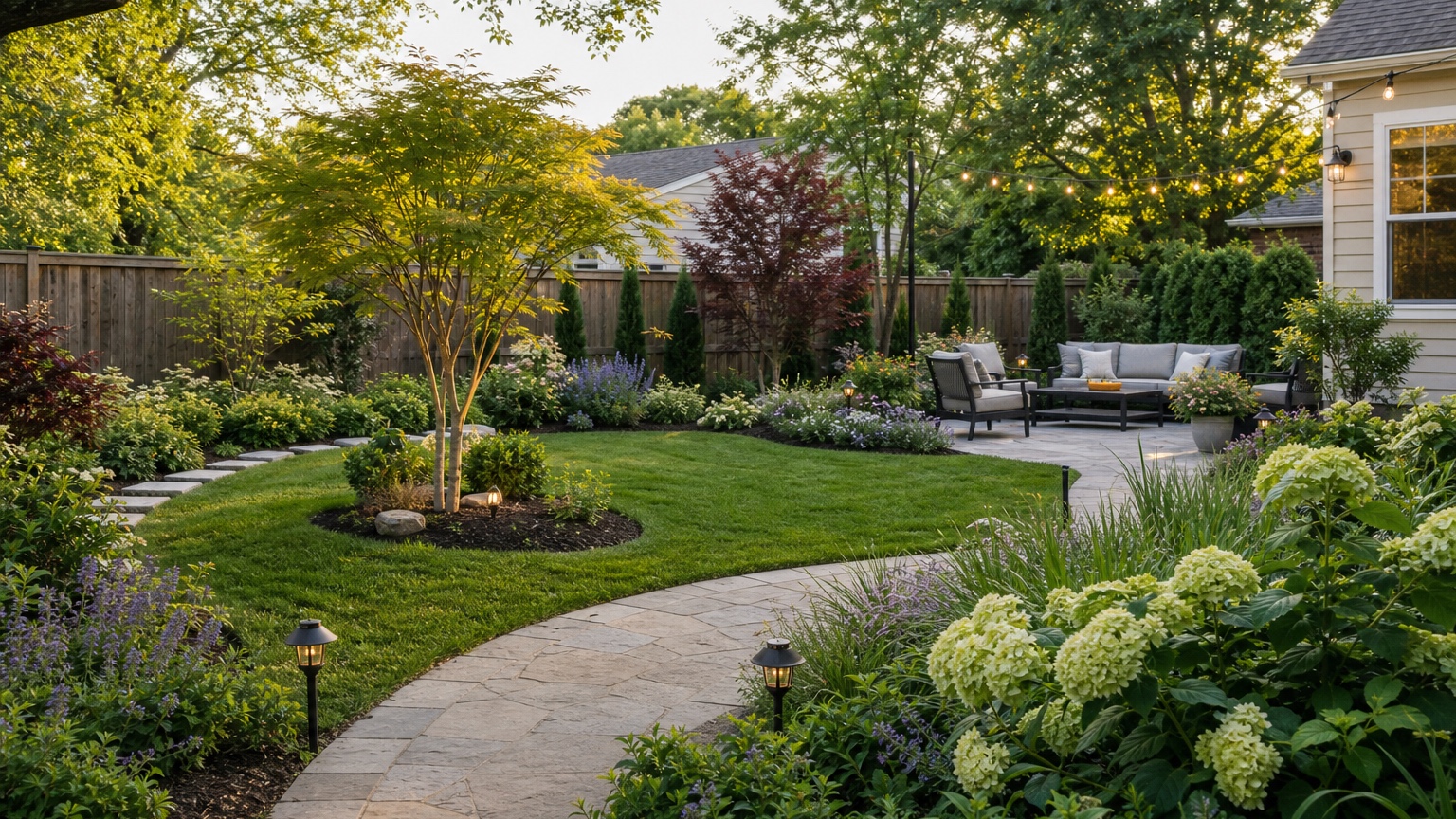
An AI garden design generator is most useful when it helps you make a planting and layout decision for the yard you actually have. Gardeners and homeowners rarely need another pretty mood board. They need to know where beds should go, how much lawn to keep, whether a path belongs on one side or through the middle, which plants should feel layered instead of random, and what kind of style direction is realistic for the property.
That is why a photo-based workflow matters. A front yard, side yard, courtyard, or backyard already has fixed conditions: sun and shade, slope, fences, existing trees, drainage, patios, walkways, utilities, neighboring views, and maintenance tolerance. A useful garden preview respects those constraints while testing better planting beds, cleaner edges, outdoor rooms, circulation, privacy, and seasonal interest.
RedesAIgn can support that early planning step. Upload a clear yard photo, choose the editor that fits the outdoor area, and use prompts, remixing, reference images, saved prompts, and history to compare options. You can start free with RedesAIgn with 5 free AI credits and no credit card required before deciding whether more one-time credit packs are worth it.
AI Garden Design Generator: the real decision this article should help with
A garden design preview should answer a practical question: what should happen next in this yard? For a gardener, the next step may be reshaping a border, replacing patchy turf, adding a pollinator bed, screening a fence, or making the entry walk feel more intentional. For a homeowner, it may be choosing between a low-maintenance landscape, a cottage garden feel, a modern planting plan, or a more structured outdoor living layout.
The preview should reduce uncertainty around an outdoor upgrade plan. If you are not sure whether the left side of the yard needs shrubs, a gravel path, ornamental grasses, or a small seating nook, separate those ideas into clear versions. If the garden already has mature trees, the design should work around root zones and shade instead of pretending the site is open full sun. If a patio or path must stay, the planting plan should frame it rather than erase it.
The useful answer is a concrete next step, not generic AI decoration. A strong result might tell you to widen the bed along the fence, keep the central lawn open, add three layers of planting near the patio, use gravel where grass struggles, or get a landscaper to price a simple path and edging package. Treat the generated image as a decision aid, not a final horticultural specification.
AI Garden Design Generator input checklist for a believable result
Start with yard photos that show the whole context. Use wide angles from the house looking out, from the far corner looking back, and from the main approach if it is a front garden. Capture sun and shade patterns, slope, low spots, existing trees, fences, patios, gates, downspouts, retaining walls, and fixed paths. A beautiful close-up of one bed is not enough if the problem is layout.
Before writing the prompt, decide what must stay recognizable. Maybe the deck, existing maple, fence line, driveway, walkway, retaining wall, irrigation heads, vegetable bed, or children’s play area cannot move. Say that directly. If the AI changes the fence, removes a tree, or invents a new patio when those items are not in scope, the image may still be attractive, but it will not help you plan work.
Reference images are helpful only when they clarify style, materials, color, or mood. A meadow reference can guide loose planting. A modern courtyard reference can guide gravel, clean edges, and restrained plant masses. A cottage garden reference can guide layered texture and flowering rhythm. Do not ask the generator to copy a reference garden onto a different climate and yard. Use references as direction, then adapt them to the original site.
AI Garden Design Generator: outdoor layout and maintenance tradeoffs
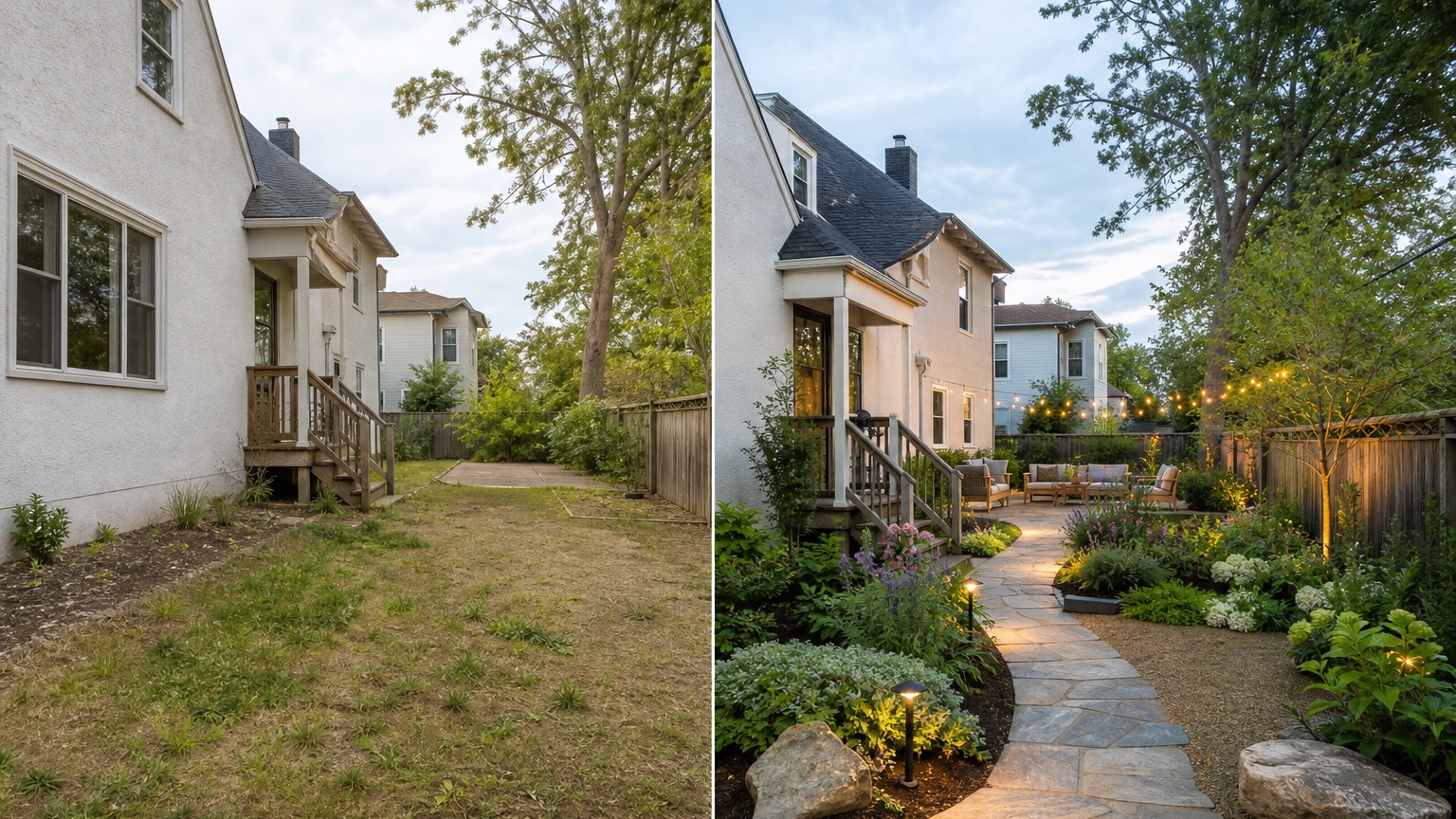
Garden layout is not just where plants look nice. Traffic paths, seating zones, shade, privacy, and upkeep shape whether the design will be used. A narrow side yard may need a clear walking route more than another bed. A backyard with afternoon sun may need shade before it needs more flowers. A front yard near the street may need screening, but not so much that the entry disappears.
Think in zones. One zone may be a public-facing planting bed near the sidewalk. Another may be a private seating area near the house. A third may be a utility strip with bins, access, or drainage. Ask the AI to define these zones visually: a path to the gate, a layered border along the fence, a small gravel sitting area, a lawn kept open for pets, or a low hedge that frames the entry.
Plants and hardscape choices affect budget and seasons. Dense mature planting in an AI image can hide the fact that real plants start small. A stone path, steel edging, boulders, lighting, irrigation, and new soil may cost more than the plants. A garden that looks full in spring may need evergreens, grasses, bark texture, or seed heads to avoid looking empty in winter. Use the preview to discuss these tradeoffs before buying plants.
Climate and drainage still need review. An AI image can suggest a lush border beside a downspout, but a professional or experienced gardener must decide whether that area needs drainage correction, rain garden planting, or a different material. It can show lavender, boxwood, hydrangea, agave, ferns, or ornamental grasses, but local hardiness, water use, deer pressure, soil pH, and exposure decide what belongs.
AI Garden Design Generator prompt brief for stronger garden design results
Begin the prompt with the outcome. Instead of “make my yard beautiful,” write “create a realistic outdoor upgrade plan for this residential garden with layered planting beds, a clear path, a small seating area, and low-maintenance materials.” The prompt should name the garden decision, the fixed elements, and the level of ambition.
For a planting-bed planning prompt, try: “Use this yard photo to preview a realistic garden design. Preserve the fence, patio, existing tree, house wall, gate, and main lawn shape. Add layered planting beds along the fence and patio, tidy edging, a simple stepping-stone path, drought-aware plants, and a calm natural style. Keep the design believable for a homeowner to phase over time.”
For a style-direction prompt, try: “Show three garden design directions for the same yard: one low-maintenance modern version with grasses and gravel, one softer cottage-inspired version with layered flowers and shrubs, and one family-friendly version with open lawn, planting around the edges, and a small seating zone. Do not change the house, fence, patio, or large trees.”
Name constraints such as climate, water, drainage, maintenance, and contractor feasibility. If you need low water use, say so. If you cannot maintain a high-flower perennial border, say so. If a contractor will install only the path and bed edges while you plant later, say so. Controlled variations are more useful than one overloaded prompt because each version tests a different decision.
AI Garden Design Generator output review before anyone trusts the image
Review scale first. Beds should have enough depth for layered planting. Paths should look walkable. Seating should not block circulation. Trees and shrubs should not be placed too close to foundations, fences, or each other. If the image shows instant mature plants crowded into a narrow strip, label that concept as inspiration and revise for realistic spacing.
Check edges, lighting, and consistency with the original image. Planting should follow the yard perspective, not float across the lawn. Hardscape should meet gates, patios, steps, and paths cleanly. Shadows should make sense. If the AI erases a slope, hides a drainage problem, or changes the fence height to make the concept look better, the design needs another pass.
Compare the concept against climate, water, drainage, maintenance, and contractor feasibility. A dry, exposed yard needs a different plant palette than a shaded, wet yard. A garden with pets or children needs different traffic decisions than a purely ornamental space. A host, realtor, or hospitality marketer may care about photo appeal and guest circulation, while a homeowner may care more about weekends spent maintaining beds.
Save the strongest version as a planning reference. Add notes beside the image: zone plan, planting or hardscape comparison, maintenance assumptions, what stays unchanged, what needs measuring, and what should be priced. If the project touches curb appeal, you may also want to compare the process with an AI curb appeal generator. If the garden connects directly to the house facade, the broader AI exterior design from photo workflow can help keep materials and planting aligned.
AI Garden Design Generator mistakes that make results look generic
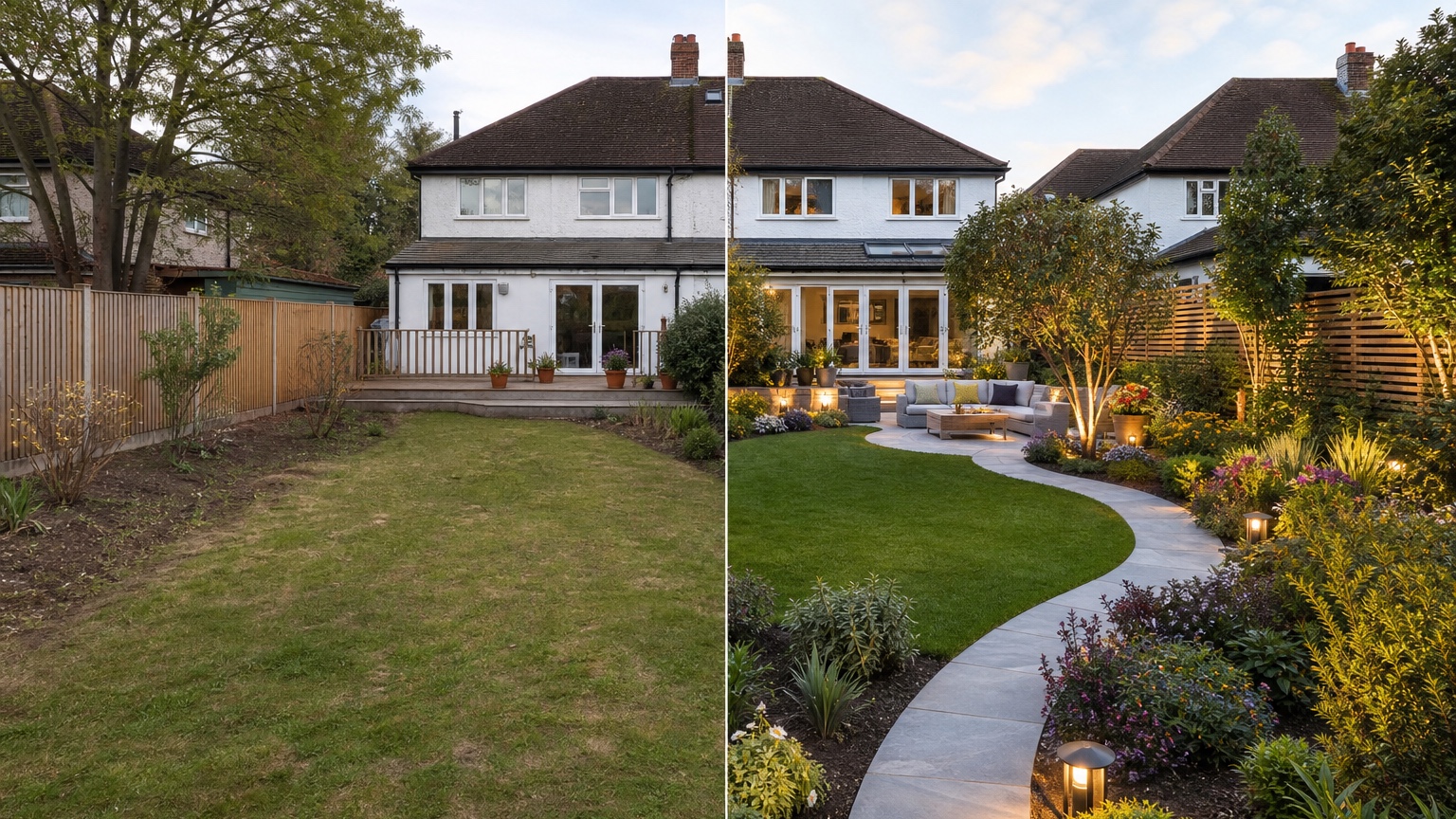
The first mistake is uploading a weak photo of the yard or garden. Cropped images, harsh shadows, blocked views, seasonal clutter, parked cars, and extreme angles give the AI less useful information. Retake the photo before judging the design direction.
The second mistake is asking for unrelated changes that blur the decision. A prompt that requests new patio, pool, pergola, outdoor kitchen, vegetable garden, fire pit, privacy wall, lighting plan, and full planting design all at once may produce a polished fantasy. If the real question is planting beds, keep the first round about beds and circulation.
The third mistake is ignoring actionability. Random plant masses may look lush but fail once you ask who will maintain them, where water comes from, how the path drains, or how much hardscape is required. A good garden concept should make the next conversation easier, whether that conversation is with a nursery, landscaper, spouse, client, or contractor.
AI Garden Design Generator workflow in RedesAIgn from first image to action
In RedesAIgn, choose the editor that best fits the outdoor photo and start with a restrained prompt. The platform includes 10 AI editors, so you can keep garden work separate from other visual tasks. Begin with one practical version, then use remixing to change only one variable at a time: bed shape, path material, planting style, seating location, privacy, or maintenance level.
Saved prompts and history are useful because garden design often improves through comparison. Keep the prompt that produced the most believable layout, then create a low-maintenance version, a softer planting version, and a more structured version. Reference images can help when you want a specific palette or mood, but the original yard should remain the anchor.
Share the final reference with the person who will execute or price the work. A landscaper can respond to bed depth, grading, hardscape, and plant suitability. A realtor can use it as a concept for seller planning, not as a completed-property image. A hospitality marketer or host can use it to discuss guest experience and commercial use where relevant. RedesAIgn-generated images can be used commercially when that matters, but the real site still needs proper measurements and professional review.
AI Garden Design Generator questions to answer before you commit
Ask what the preview can show accurately: general layout, planting density, hardscape mood, path direction, outdoor zones, privacy intent, and style direction. Then ask what it cannot confirm: exact plant species performance, drainage, soil, irrigation, root conflicts, structural work, product availability, quotes, and code or HOA requirements.
The selected garden concept should guide the next real-world step. That may be measuring beds, collecting plant availability, pricing edging, calling a landscaper, testing gravel samples, phasing the work, or retaking photos from another angle. The best AI garden design generator result is not the most dramatic image. It is the version that helps you move from yard uncertainty to a realistic plan.
Try these prompts in redesAIgn
Redesign this front yard with a stone walkway, low-water plants, and clean planting beds.
Create a backyard seating patio with string lights, shrubs, and a simple lawn edge.
Add curb-appeal landscaping with layered greenery while keeping the driveway clear.
Related guides
- AI Landscape Architecture Generator for Early Outdoor Concepts
Use an AI landscape architecture generator for early outdoor concept exploration, studio reviews, feasibility checks, and photo-based design iteration.
- AI Landscape Visualizer: Preview Yard Changes Before You Commit
Use an AI landscape visualizer to preview realistic yard changes from a photo, compare landscaping options, and reduce decision risk before outdoor work.
- AI Lawn Makeover Ideas: Turn a Plain Yard Into a Plan
Use an AI lawn makeover to preview lawn shape, planting borders, paths, edging, seating, and practical yard upgrades before hiring or starting work.
- AI Xeriscape Design Ideas for Low-Water Yards
Use AI xeriscape design to preview low-water planting, gravel, paths, shade, irrigation zones, and maintenance tradeoffs before changing your yard.
- AI Backyard Makeover: Generate Outdoor Design Before and Afters
Use an AI backyard makeover workflow to preview layout zones, maintenance tradeoffs, before-and-after options, and practical next steps from a real yard.