AI Eyeshadow Try-On: Test Eye Looks Before Buying Products
Last updated: March 21, 2026.
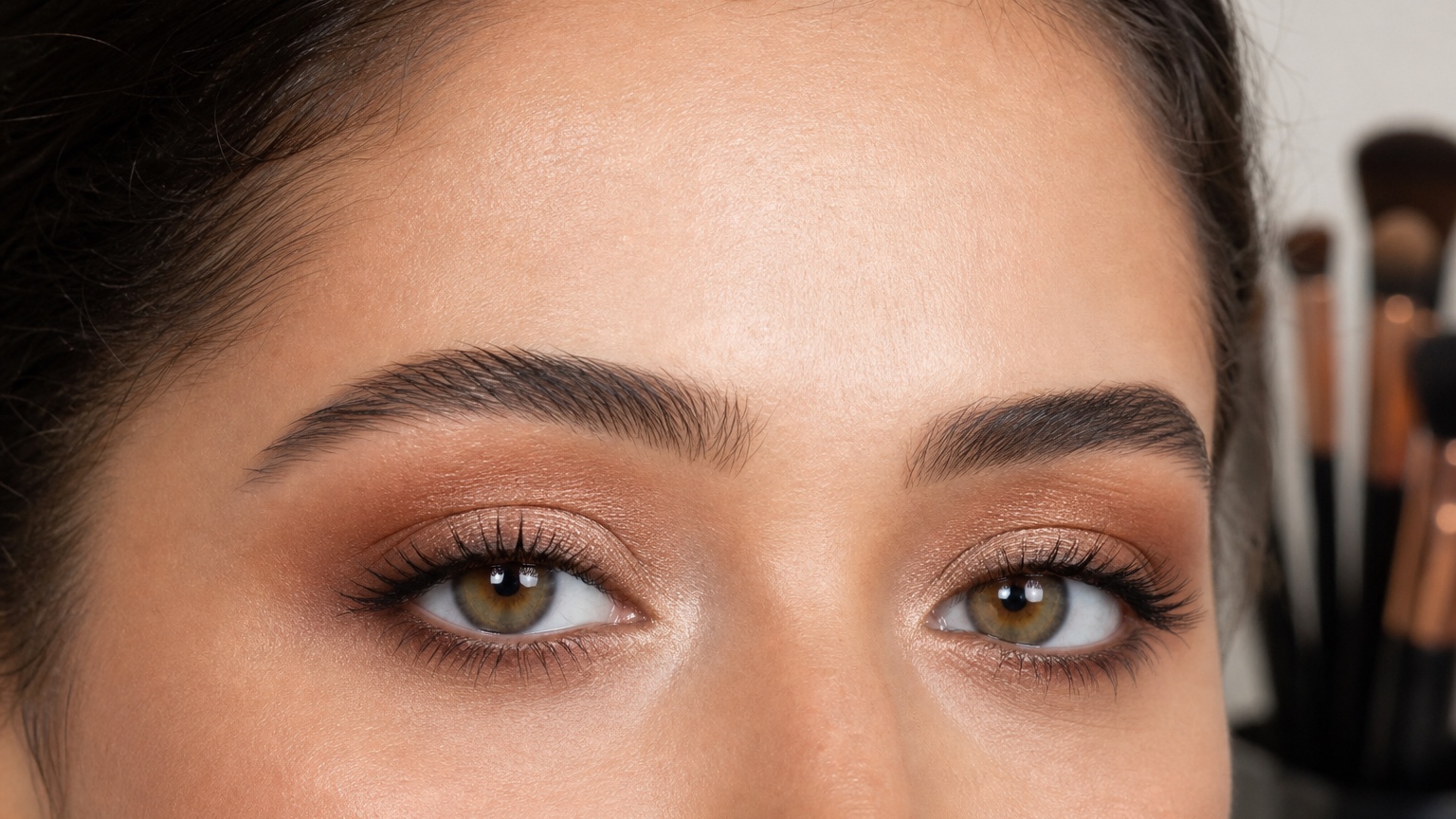
Ai Eyeshadow Try On is most useful when it helps beauty shoppers, creators, and MUAs testing eye styles make one concrete beauty decision. This guide uses the eye-look compatibility frame: whether color, shimmer, liner weight, and eye shape work together before products or appointment time are spent. That frame keeps the article practical. Begin with a sharp eye-area photo, compare palette and liner ideas, and turn the strongest result into a product list, tutorial plan, or artist brief.
RedesAIgn is an AI image editor with a Makeup workflow that helps compare eye looks from photos and references. For eyeshadow planning, saved prompts and generation history make it easier to revisit the crease, liner, shimmer, or palette direction that looked strongest. The preview is a visual brief, not proof of product payoff, blending skill, allergy safety, or crease wear. RedesAIgn's one-time credit packs can support larger creator or MUA comparison sets after the free start.
What AI eyeshadow try-on should decide before buying
Eyeshadow is one of the easiest makeup categories to imagine poorly because color payoff, eye shape, and liner weight interact at a small scale. In the eye-look compatibility frame, the first step is to write the real decision in plain language: whether color, shimmer, liner weight, and eye shape work together before products or appointment time are spent. That single line keeps AI eyeshadow try on from becoming generic beauty decoration. For eye looks, keep gaze direction and lighting consistent while RedesAIgn changes crease depth, shimmer placement, liner shape, and color story. The preview should answer a practical question for beauty shoppers, creators, and MUAs testing eye styles, not simply produce a prettier portrait.
A useful prompt for AI Eyeshadow Try-On: Test Eye Looks Before Buying Products has source-photo details, desired makeup direction, and review criteria. Describe eye shape, lid space, brow visibility, glasses, lash line clarity, and lighting before asking for a palette direction. Then specify matte taupe, bronze shimmer, rose wash, smoked outer corner, graphic liner, or soft wing variables so the eye test is visible. Add review terms tied to eye shape visibility and crease depth so the result can be judged against the actual face instead of admired abstractly.
Review the eye look at social-post size, then zoom in to inspect symmetry and blend edges. Watch for uneven pupils, eyeliner that floats above the lash line, impossible crease shadows, overdrawn lashes, and glitter that turns into artifacts. If the preview changes eye shape more than eyeshadow placement, it should not guide a purchase. Use RedesAIgn generation history to compare whether a narrower revision protects lash line balance and outfit color context better.
Input checklist for visible eye-shape previews
A useful prompt for AI Eyeshadow Try-On: Test Eye Looks Before Buying Products has source-photo details, desired makeup direction, and review criteria. Describe eye shape, lid space, brow visibility, glasses, lash line clarity, and lighting before asking for a palette direction. Then specify matte taupe, bronze shimmer, rose wash, smoked outer corner, graphic liner, or soft wing variables so the eye test is visible. Add review terms tied to eye shape visibility and crease depth so the result can be judged against the actual face instead of admired abstractly.
Review the eye look at social-post size, then zoom in to inspect symmetry and blend edges. Watch for uneven pupils, eyeliner that floats above the lash line, impossible crease shadows, overdrawn lashes, and glitter that turns into artifacts. If the preview changes eye shape more than eyeshadow placement, it should not guide a purchase. Use RedesAIgn generation history to compare whether a narrower revision protects lash line balance and outfit color context better.
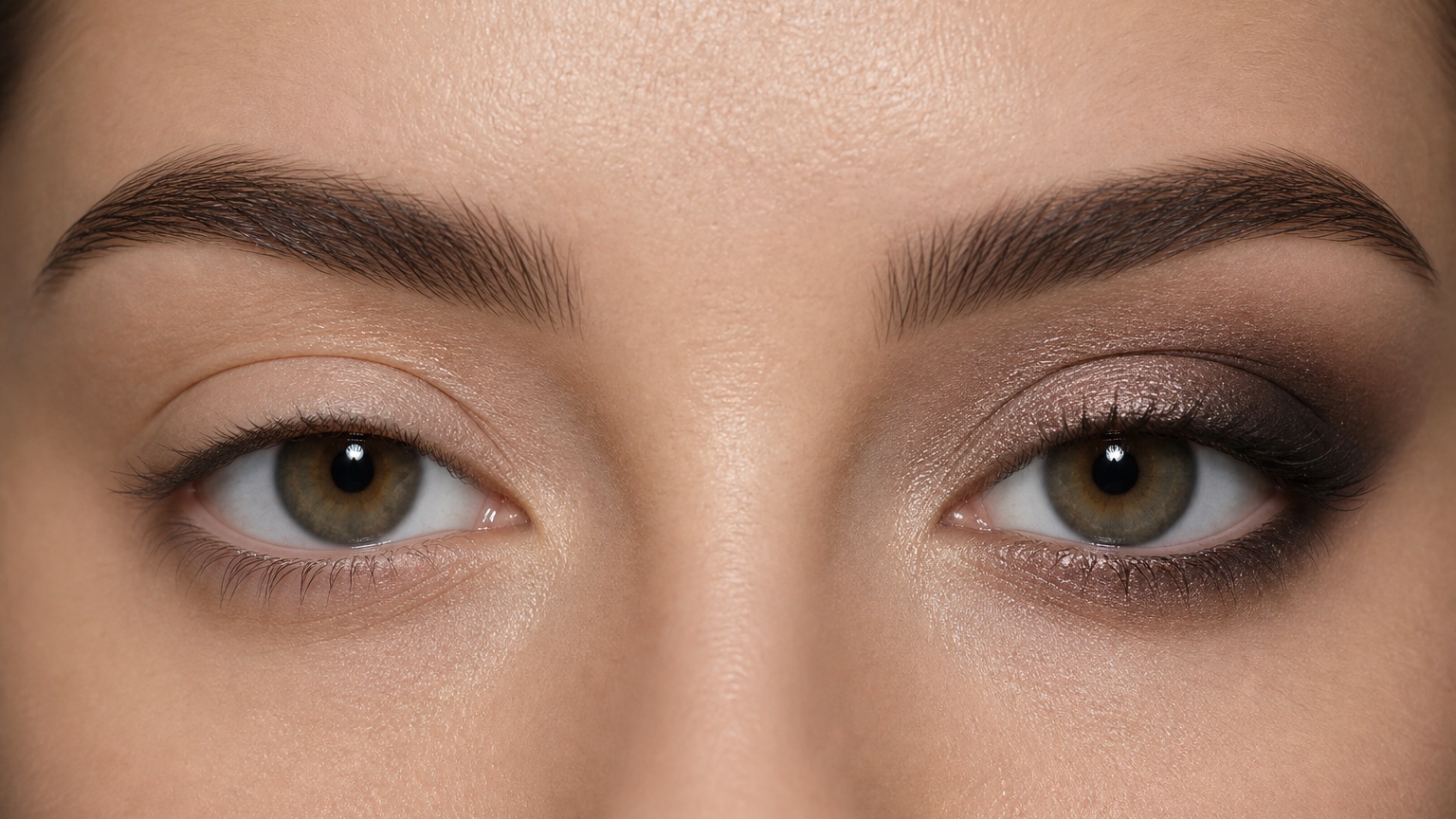
Eyeshadow testing works best as a palette comparison rather than a single glamorous render. Create a daytime matte option, a shimmer event option, and a blended compromise, then compare them against outfit and camera needs. A shopper may care about buying fewer products. A makeup artist may care about consultation language. A creator may care about whether the eye look reads clearly in a thumbnail without becoming clownish up close. A shopper needs palette guidance, while an artist needs placement language and a creator needs a repeatable shot recipe.
Comparing color stories, shimmer, liner, and crease weight
Review the eye look at social-post size, then zoom in to inspect symmetry and blend edges. Watch for uneven pupils, eyeliner that floats above the lash line, impossible crease shadows, overdrawn lashes, and glitter that turns into artifacts. If the preview changes eye shape more than eyeshadow placement, it should not guide a purchase. Use RedesAIgn generation history to compare whether a narrower revision protects lash line balance and outfit color context better.
Eyeshadow testing works best as a palette comparison rather than a single glamorous render. Create a daytime matte option, a shimmer event option, and a blended compromise, then compare them against outfit and camera needs. A shopper may care about buying fewer products. A makeup artist may care about consultation language. A creator may care about whether the eye look reads clearly in a thumbnail without becoming clownish up close. A shopper needs palette guidance, while an artist needs placement language and a creator needs a repeatable shot recipe.
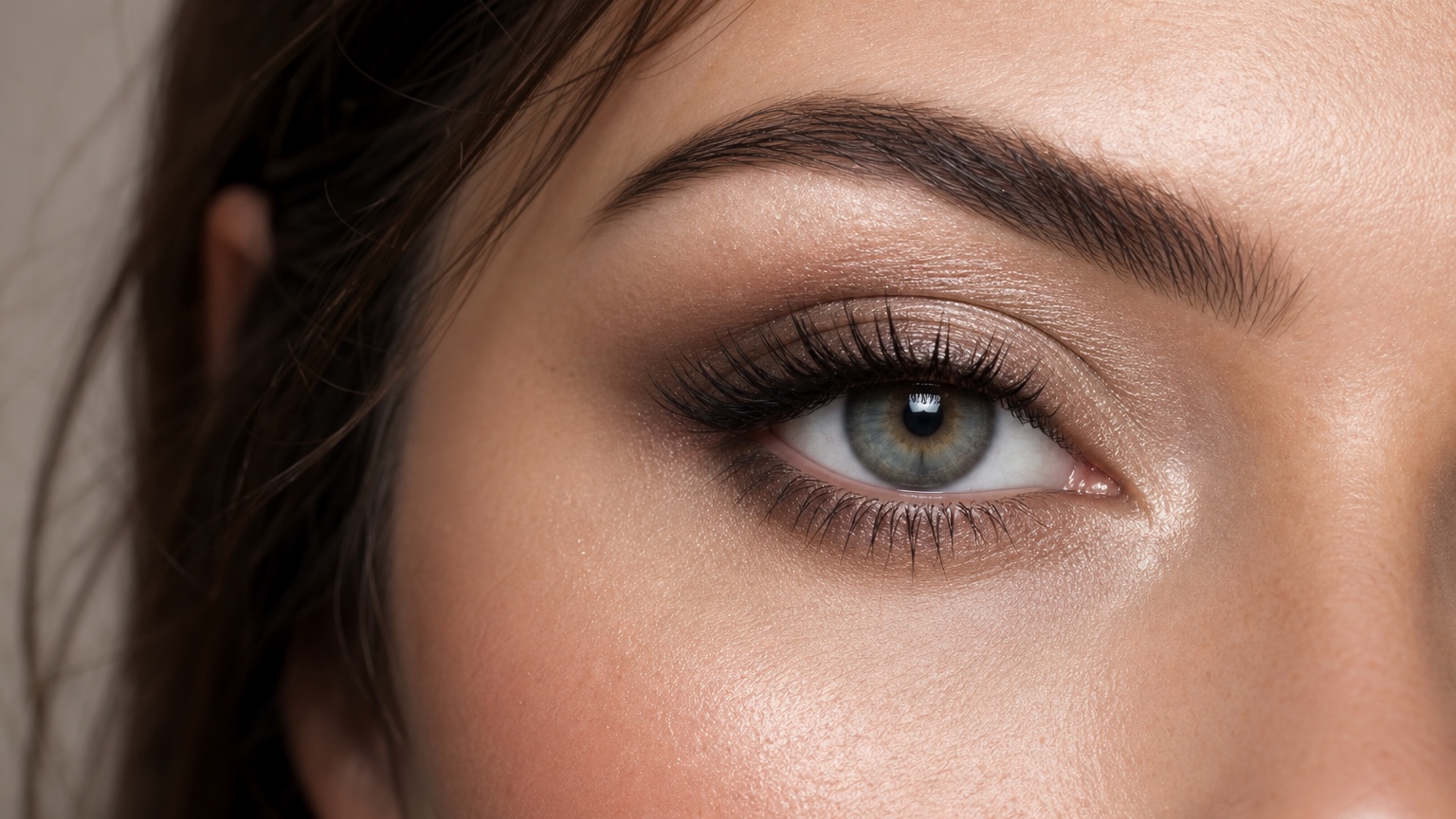
The best eye preview gives a shopper or artist a shared target, not a fantasy face that cannot be recreated. For eyeshadow, RedesAIgn is a visual planning surface rather than a guarantee of pigment payoff or blending performance. Confirm fallout, creasing, primer needs, irritation, and brush technique with real products before relying on the look. The preview is worthwhile when it prevents a palette or appointment from drifting into vague color words.
Reviewing eyeshadow results like a shopper or artist
Eyeshadow testing works best as a palette comparison rather than a single glamorous render. Create a daytime matte option, a shimmer event option, and a blended compromise, then compare them against outfit and camera needs. A shopper may care about buying fewer products. A makeup artist may care about consultation language. A creator may care about whether the eye look reads clearly in a thumbnail without becoming clownish up close. A shopper needs palette guidance, while an artist needs placement language and a creator needs a repeatable shot recipe.
The best eye preview gives a shopper or artist a shared target, not a fantasy face that cannot be recreated. For eyeshadow, RedesAIgn is a visual planning surface rather than a guarantee of pigment payoff or blending performance. Confirm fallout, creasing, primer needs, irritation, and brush technique with real products before relying on the look. The preview is worthwhile when it prevents a palette or appointment from drifting into vague color words.
Eyeshadow is one of the easiest makeup categories to imagine poorly because color payoff, eye shape, and liner weight interact at a small scale. In the eye-look compatibility frame, the first step is to write the real decision in plain language: whether color, shimmer, liner weight, and eye shape work together before products or appointment time are spent. That single line keeps AI eyeshadow try on from becoming generic beauty decoration. For eye looks, keep gaze direction and lighting consistent while RedesAIgn changes crease depth, shimmer placement, liner shape, and color story. The preview should answer a practical question for beauty shoppers, creators, and MUAs testing eye styles, not simply produce a prettier portrait.
RedesAIgn workflow for organized eye-look testing
The best eye preview gives a shopper or artist a shared target, not a fantasy face that cannot be recreated. For eyeshadow, RedesAIgn is a visual planning surface rather than a guarantee of pigment payoff or blending performance. Confirm fallout, creasing, primer needs, irritation, and brush technique with real products before relying on the look. The preview is worthwhile when it prevents a palette or appointment from drifting into vague color words.
Eyeshadow is one of the easiest makeup categories to imagine poorly because color payoff, eye shape, and liner weight interact at a small scale. In the eye-look compatibility frame, the first step is to write the real decision in plain language: whether color, shimmer, liner weight, and eye shape work together before products or appointment time are spent. That single line keeps AI eyeshadow try on from becoming generic beauty decoration. For eye looks, keep gaze direction and lighting consistent while RedesAIgn changes crease depth, shimmer placement, liner shape, and color story. The preview should answer a practical question for beauty shoppers, creators, and MUAs testing eye styles, not simply produce a prettier portrait.
A useful prompt for AI Eyeshadow Try-On: Test Eye Looks Before Buying Products has source-photo details, desired makeup direction, and review criteria. Describe eye shape, lid space, brow visibility, glasses, lash line clarity, and lighting before asking for a palette direction. Then specify matte taupe, bronze shimmer, rose wash, smoked outer corner, graphic liner, or soft wing variables so the eye test is visible. Add review terms tied to eye shape visibility and crease depth so the result can be judged against the actual face instead of admired abstractly.
Where eye previews need real-world confirmation
Eyeshadow is one of the easiest makeup categories to imagine poorly because color payoff, eye shape, and liner weight interact at a small scale. In the eye-look compatibility frame, the first step is to write the real decision in plain language: whether color, shimmer, liner weight, and eye shape work together before products or appointment time are spent. That single line keeps AI eyeshadow try on from becoming generic beauty decoration. For eye looks, keep gaze direction and lighting consistent while RedesAIgn changes crease depth, shimmer placement, liner shape, and color story. The preview should answer a practical question for beauty shoppers, creators, and MUAs testing eye styles, not simply produce a prettier portrait.
A useful prompt for AI Eyeshadow Try-On: Test Eye Looks Before Buying Products has source-photo details, desired makeup direction, and review criteria. Describe eye shape, lid space, brow visibility, glasses, lash line clarity, and lighting before asking for a palette direction. Then specify matte taupe, bronze shimmer, rose wash, smoked outer corner, graphic liner, or soft wing variables so the eye test is visible. Add review terms tied to eye shape visibility and crease depth so the result can be judged against the actual face instead of admired abstractly.
Review the eye look at social-post size, then zoom in to inspect symmetry and blend edges. Watch for uneven pupils, eyeliner that floats above the lash line, impossible crease shadows, overdrawn lashes, and glitter that turns into artifacts. If the preview changes eye shape more than eyeshadow placement, it should not guide a purchase. Use RedesAIgn generation history to compare whether a narrower revision protects lash line balance and outfit color context better.
Using the chosen eyeshadow concept with products or content
A useful prompt for AI Eyeshadow Try-On: Test Eye Looks Before Buying Products has source-photo details, desired makeup direction, and review criteria. Describe eye shape, lid space, brow visibility, glasses, lash line clarity, and lighting before asking for a palette direction. Then specify matte taupe, bronze shimmer, rose wash, smoked outer corner, graphic liner, or soft wing variables so the eye test is visible. Add review terms tied to eye shape visibility and crease depth so the result can be judged against the actual face instead of admired abstractly.
Review the eye look at social-post size, then zoom in to inspect symmetry and blend edges. Watch for uneven pupils, eyeliner that floats above the lash line, impossible crease shadows, overdrawn lashes, and glitter that turns into artifacts. If the preview changes eye shape more than eyeshadow placement, it should not guide a purchase. Use RedesAIgn generation history to compare whether a narrower revision protects lash line balance and outfit color context better.
Eyeshadow testing works best as a palette comparison rather than a single glamorous render. Create a daytime matte option, a shimmer event option, and a blended compromise, then compare them against outfit and camera needs. A shopper may care about buying fewer products. A makeup artist may care about consultation language. A creator may care about whether the eye look reads clearly in a thumbnail without becoming clownish up close. A shopper needs palette guidance, while an artist needs placement language and a creator needs a repeatable shot recipe.
Start with a controlled RedesAIgn makeup test
RedesAIgn helps keep eyeshadow iterations organized with prompt, remix/reference-image, saved-prompt, and generation-history workflows instead of losing the useful eye look in scattered screenshots. Save the chosen eye prompt with palette notes so the tutorial, cart, or artist conversation has a clear target.
Related RedesAIgn guides: AI makeup try on, AI hairstyle generator, and AI clothes try on.
Try these prompts in redesAIgn
Preview a soft layered haircut on this photo while keeping the face shape natural.
Try a subtle color change that still looks realistic in daylight.
Show a polished hairstyle option for a special event without changing identity.
Related guides
- AI Lipstick Try-On: Preview Lip Colors on Your Photo
Try lipstick shades on your selfie with RedesAIgn. Compare everyday nudes and bold colors before buying products or locking a makeup look.
- AI Makeup Before and After Generator for Beauty Ideas
Create makeup before-and-after previews with RedesAIgn for clients, content, or appointment planning without overpromising final results.
- AI Makeup Filter From Photo: Create Realistic Beauty Look Concepts
Apply realistic makeup filters from your photo with RedesAIgn. Compare soft and glam looks before buying products or booking appointments.
- AI Soft Glam Makeup Ideas From Your Face Photo
Preview soft glam makeup looks on your selfie with RedesAIgn. Compare polished options before buying products or booking beauty appointments.
- AI Bridal Makeup Try-On: Compare Wedding Looks Before the Trial
Use AI bridal makeup try on workflows in RedesAIgn to compare realistic makeup concepts, photo-based beauty references, and appointment-ready next steps.