AI Bridal Makeup Try-On: Compare Wedding Looks Before the Trial
Last updated: March 20, 2026.
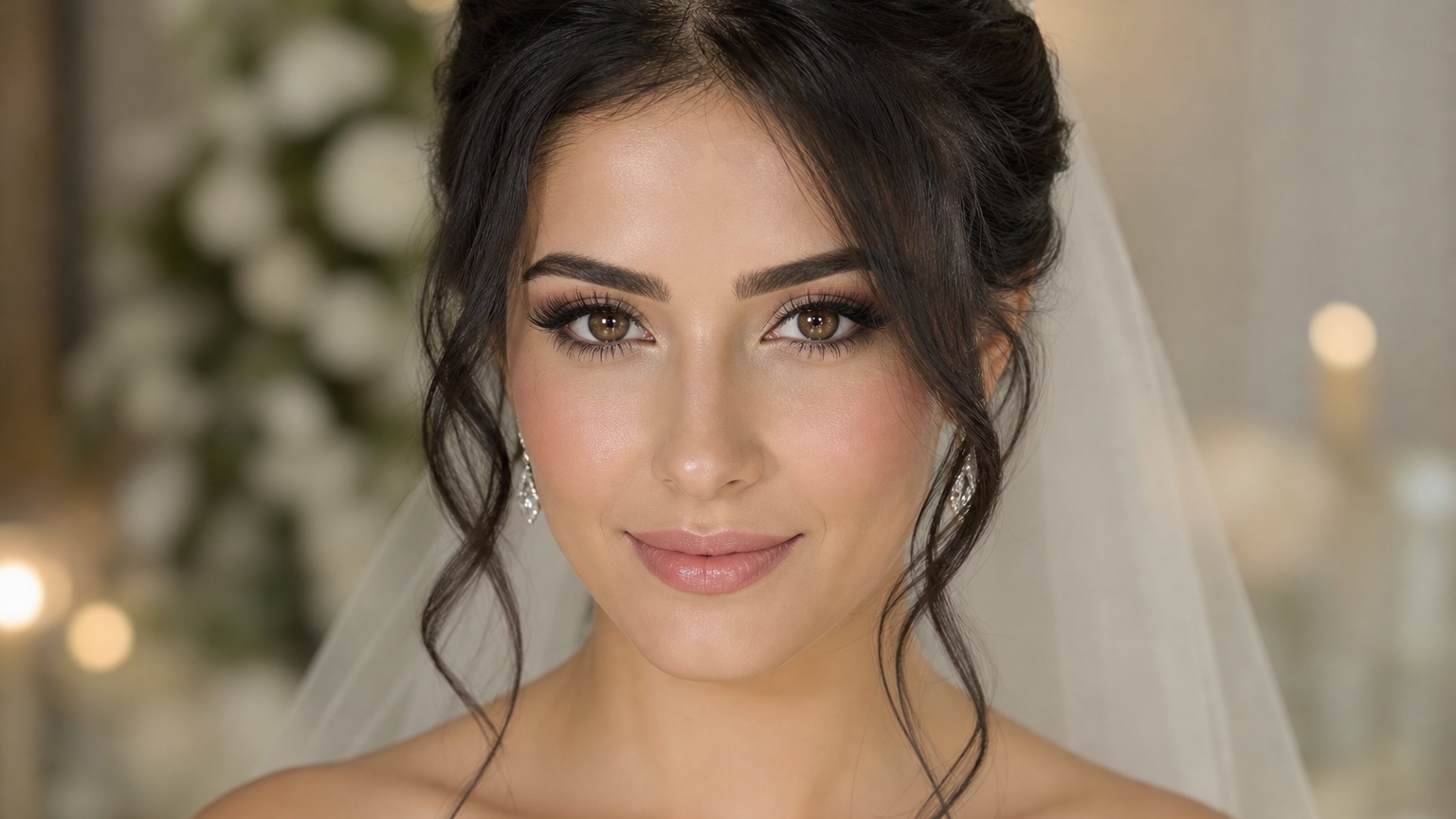
Ai Bridal Makeup Try On is valuable only when it helps brides, bridal parties, and makeup artists make a concrete beauty decision. This guide uses the bridal trial expectation map frame, which asks which wedding-day look feels aligned before a paid trial, timeline, or product kit is finalized. For bridal planning, the workflow anchors on one clear face photo, a wedding context note, and a shortlist of looks that can be discussed before the paid trial.
RedesAIgn gives brides and artists a Makeup editor plus prompts, reference/remix controls, saved prompts, and generation history for comparing wedding-look versions. A bridal preview can align expectations, but it cannot test allergies, tear resistance, flashback, product layering, or the artist’s exact technique. Use it to make the trial more focused before the calendar, invoice, and product kit become real.
What bridal makeup try-on should clarify
Bridal makeup carries emotional pressure because the look must satisfy memory, photography, family expectations, and personal comfort at once. In the bridal trial expectation map frame, begin by writing the one decision the image must answer: which wedding-day look feels aligned before a paid trial, timeline, or product kit is finalized. That line matters because AI bridal makeup try on can become generic beauty decoration if the prompt does not separate fixed identity from test variables. Keep the face angle, expression, lighting direction, and recognizable features stable, then ask RedesAIgn to vary makeup choices tied to dress neckline and venue lighting.
A useful prompt for AI Bridal Makeup Try-On: Compare Wedding Looks Before the Trial usually has three layers. Describe the bridal source image with practical details: face angle, eye visibility, hairstyle interference, neckline context, and whether the lighting resembles the venue. Then specify bridal language such as soft matte base, rosy veil-friendly blush, defined but not heavy liner, neutral lip, or reception-ready shimmer. Third, name review criteria around photography style and emotional comfort so the output can be judged instead of merely admired.
Review the bridal result once as a full wedding-day impression and once close enough to inspect eyes, lips, and complexion. Reject previews with uneven eyes, muddy lashes, blurred lip boundaries, fake jewelry marks, or texture so smooth it would mislead the trial conversation. A bridal reference must still look like the bride, not like a generic campaign portrait. Compare versions in RedesAIgn history and keep notes on what changed before sending anything to the artist.
Input checklist for a believable wedding preview
A useful prompt for AI Bridal Makeup Try-On: Compare Wedding Looks Before the Trial usually has three layers. Describe the bridal source image with practical details: face angle, eye visibility, hairstyle interference, neckline context, and whether the lighting resembles the venue. Then specify bridal language such as soft matte base, rosy veil-friendly blush, defined but not heavy liner, neutral lip, or reception-ready shimmer. Third, name review criteria around photography style and emotional comfort so the output can be judged instead of merely admired.
Review the bridal result once as a full wedding-day impression and once close enough to inspect eyes, lips, and complexion. Reject previews with uneven eyes, muddy lashes, blurred lip boundaries, fake jewelry marks, or texture so smooth it would mislead the trial conversation. A bridal reference must still look like the bride, not like a generic campaign portrait. Compare versions in RedesAIgn history and keep notes on what changed before sending anything to the artist.
The best preview gives the trial a shared language before anyone opens a product kit. The right next step depends on the audience. A bride might turn the preview into swatch questions and inspiration images for the trial bag. A bridal MUA can translate it into trial checkpoints: base finish, lash style, lip durability, and ceremony-to-reception intensity. A photographer or planner can use it to notice how the makeup may read in close portraits versus wider dress photos. The bridal preview is useful when the trial starts with shared language instead of guesswork.
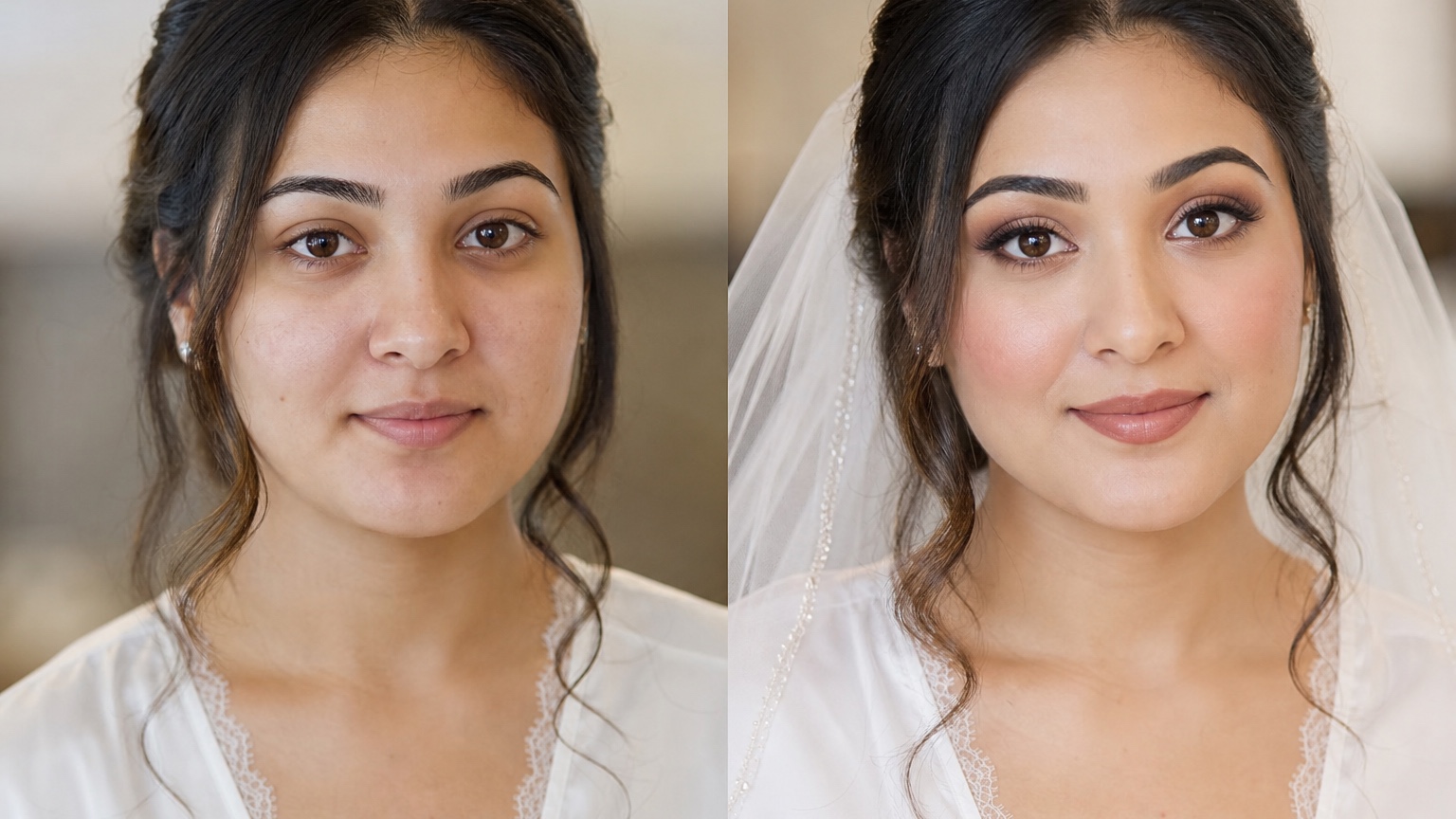
Comparing ceremony, photo, and reception needs
Review the bridal result once as a full wedding-day impression and once close enough to inspect eyes, lips, and complexion. Reject previews with uneven eyes, muddy lashes, blurred lip boundaries, fake jewelry marks, or texture so smooth it would mislead the trial conversation. A bridal reference must still look like the bride, not like a generic campaign portrait. Compare versions in RedesAIgn history and keep notes on what changed before sending anything to the artist.
The best preview gives the trial a shared language before anyone opens a product kit. The right next step depends on the audience. A bride might turn the preview into swatch questions and inspiration images for the trial bag. A bridal MUA can translate it into trial checkpoints: base finish, lash style, lip durability, and ceremony-to-reception intensity. A photographer or planner can use it to notice how the makeup may read in close portraits versus wider dress photos. The bridal preview is useful when the trial starts with shared language instead of guesswork.
Bridal makeup carries emotional pressure because the look must satisfy memory, photography, family expectations, and personal comfort at once. In the bridal trial expectation map frame, begin by writing the one decision the image must answer: which wedding-day look feels aligned before a paid trial, timeline, or product kit is finalized. That line matters because AI bridal makeup try on can become generic beauty decoration if the prompt does not separate fixed identity from test variables. Keep the face angle, expression, lighting direction, and recognizable features stable, then ask RedesAIgn to vary makeup choices tied to dress neckline and venue lighting.
Reviewing bridal makeup with the trial in mind
The best preview gives the trial a shared language before anyone opens a product kit. The right next step depends on the audience. A bride might turn the preview into swatch questions and inspiration images for the trial bag. A bridal MUA can translate it into trial checkpoints: base finish, lash style, lip durability, and ceremony-to-reception intensity. A photographer or planner can use it to notice how the makeup may read in close portraits versus wider dress photos. The bridal preview is useful when the trial starts with shared language instead of guesswork.
Bridal makeup carries emotional pressure because the look must satisfy memory, photography, family expectations, and personal comfort at once. In the bridal trial expectation map frame, begin by writing the one decision the image must answer: which wedding-day look feels aligned before a paid trial, timeline, or product kit is finalized. That line matters because AI bridal makeup try on can become generic beauty decoration if the prompt does not separate fixed identity from test variables. Keep the face angle, expression, lighting direction, and recognizable features stable, then ask RedesAIgn to vary makeup choices tied to dress neckline and venue lighting.
A useful prompt for AI Bridal Makeup Try-On: Compare Wedding Looks Before the Trial usually has three layers. Describe the bridal source image with practical details: face angle, eye visibility, hairstyle interference, neckline context, and whether the lighting resembles the venue. Then specify bridal language such as soft matte base, rosy veil-friendly blush, defined but not heavy liner, neutral lip, or reception-ready shimmer. Third, name review criteria around photography style and emotional comfort so the output can be judged instead of merely admired.
RedesAIgn workflow for bridal consultation references
Bridal makeup carries emotional pressure because the look must satisfy memory, photography, family expectations, and personal comfort at once. In the bridal trial expectation map frame, begin by writing the one decision the image must answer: which wedding-day look feels aligned before a paid trial, timeline, or product kit is finalized. That line matters because AI bridal makeup try on can become generic beauty decoration if the prompt does not separate fixed identity from test variables. Keep the face angle, expression, lighting direction, and recognizable features stable, then ask RedesAIgn to vary makeup choices tied to dress neckline and venue lighting.
A useful prompt for AI Bridal Makeup Try-On: Compare Wedding Looks Before the Trial usually has three layers. Describe the bridal source image with practical details: face angle, eye visibility, hairstyle interference, neckline context, and whether the lighting resembles the venue. Then specify bridal language such as soft matte base, rosy veil-friendly blush, defined but not heavy liner, neutral lip, or reception-ready shimmer. Third, name review criteria around photography style and emotional comfort so the output can be judged instead of merely admired.
Review the bridal result once as a full wedding-day impression and once close enough to inspect eyes, lips, and complexion. Reject previews with uneven eyes, muddy lashes, blurred lip boundaries, fake jewelry marks, or texture so smooth it would mislead the trial conversation. A bridal reference must still look like the bride, not like a generic campaign portrait. Compare versions in RedesAIgn history and keep notes on what changed before sending anything to the artist.
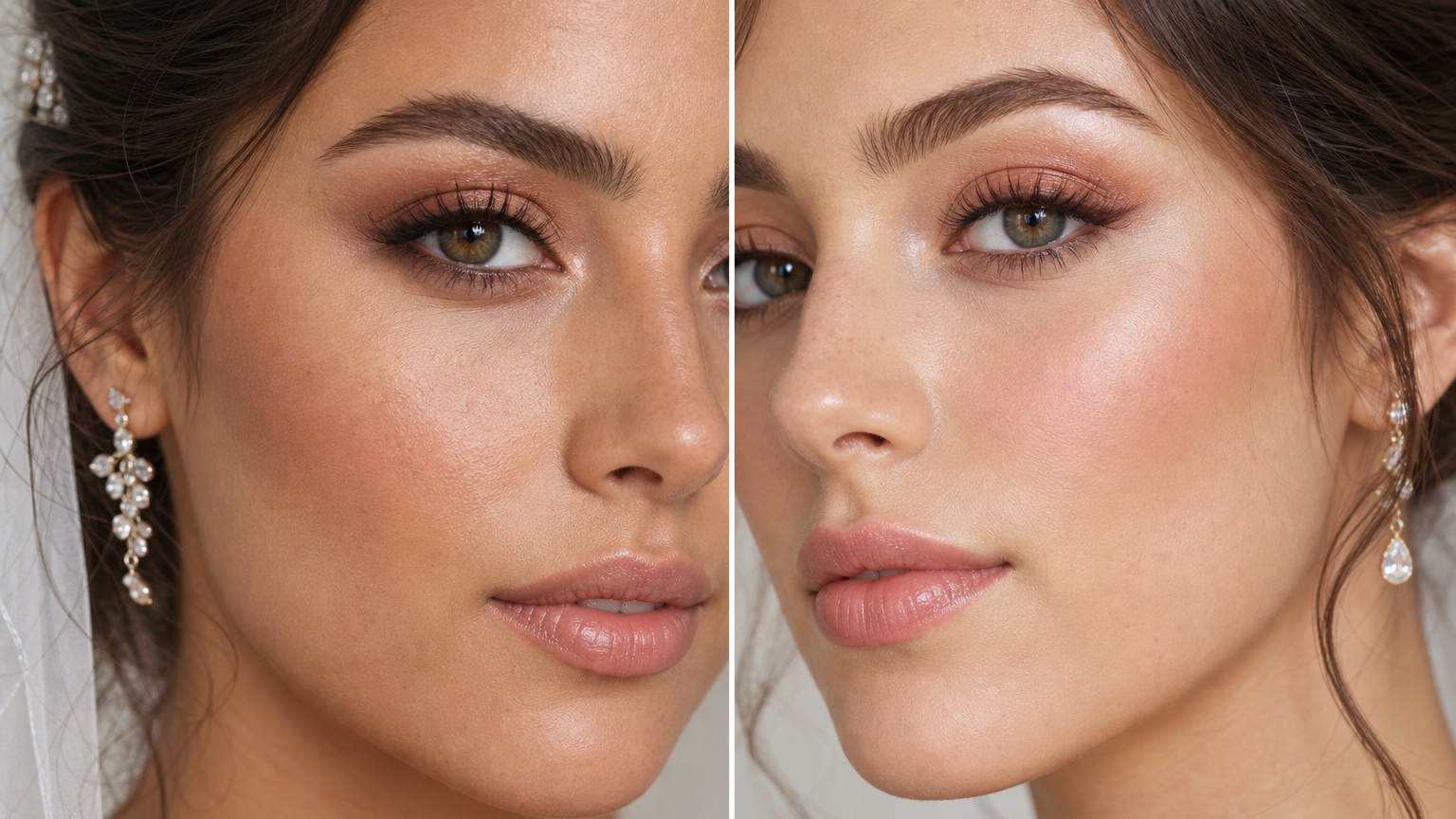
What AI cannot replace before the wedding
A useful prompt for AI Bridal Makeup Try-On: Compare Wedding Looks Before the Trial usually has three layers. Describe the bridal source image with practical details: face angle, eye visibility, hairstyle interference, neckline context, and whether the lighting resembles the venue. Then specify bridal language such as soft matte base, rosy veil-friendly blush, defined but not heavy liner, neutral lip, or reception-ready shimmer. Third, name review criteria around photography style and emotional comfort so the output can be judged instead of merely admired.
Review the bridal result once as a full wedding-day impression and once close enough to inspect eyes, lips, and complexion. Reject previews with uneven eyes, muddy lashes, blurred lip boundaries, fake jewelry marks, or texture so smooth it would mislead the trial conversation. A bridal reference must still look like the bride, not like a generic campaign portrait. Compare versions in RedesAIgn history and keep notes on what changed before sending anything to the artist.
The best preview gives the trial a shared language before anyone opens a product kit. The right next step depends on the audience. A bride might turn the preview into swatch questions and inspiration images for the trial bag. A bridal MUA can translate it into trial checkpoints: base finish, lash style, lip durability, and ceremony-to-reception intensity. A photographer or planner can use it to notice how the makeup may read in close portraits versus wider dress photos. The bridal preview is useful when the trial starts with shared language instead of guesswork.
Using the chosen preview with an artist
Review the bridal result once as a full wedding-day impression and once close enough to inspect eyes, lips, and complexion. Reject previews with uneven eyes, muddy lashes, blurred lip boundaries, fake jewelry marks, or texture so smooth it would mislead the trial conversation. A bridal reference must still look like the bride, not like a generic campaign portrait. Compare versions in RedesAIgn history and keep notes on what changed before sending anything to the artist.
The best preview gives the trial a shared language before anyone opens a product kit. The right next step depends on the audience. A bride might turn the preview into swatch questions and inspiration images for the trial bag. A bridal MUA can translate it into trial checkpoints: base finish, lash style, lip durability, and ceremony-to-reception intensity. A photographer or planner can use it to notice how the makeup may read in close portraits versus wider dress photos. The bridal preview is useful when the trial starts with shared language instead of guesswork.
Bridal makeup carries emotional pressure because the look must satisfy memory, photography, family expectations, and personal comfort at once. In the bridal trial expectation map frame, begin by writing the one decision the image must answer: which wedding-day look feels aligned before a paid trial, timeline, or product kit is finalized. That line matters because AI bridal makeup try on can become generic beauty decoration if the prompt does not separate fixed identity from test variables. Keep the face angle, expression, lighting direction, and recognizable features stable, then ask RedesAIgn to vary makeup choices tied to dress neckline and venue lighting.
Start with a low-risk RedesAIgn makeup pass
For a bridal trial shortlist, RedesAIgn can create fast reference concepts before the appointment; commercial use is allowed when MUAs use previews in client-planning work. Bridal teams can start with 5 free AI credits and no credit card required, then use one-time credit packs for additional party or client rounds.
Related RedesAIgn guides: AI clothes try on, AI hairstyle generator, and AI fashion photoshoot.
Try these prompts in redesAIgn
Preview a soft layered haircut on this photo while keeping the face shape natural.
Try a subtle color change that still looks realistic in daylight.
Show a polished hairstyle option for a special event without changing identity.
Related guides
- AI Eyeshadow Try-On: Test Eye Looks Before Buying Products
Try eyeshadow looks on your selfie with RedesAIgn. Compare soft, bold, and event color stories before buying palettes or booking makeup.
- AI Lipstick Try-On: Preview Lip Colors on Your Photo
Try lipstick shades on your selfie with RedesAIgn. Compare everyday nudes and bold colors before buying products or locking a makeup look.
- AI Makeup Before and After Generator for Beauty Ideas
Create makeup before-and-after previews with RedesAIgn for clients, content, or appointment planning without overpromising final results.
- AI Makeup Filter From Photo: Create Realistic Beauty Look Concepts
Apply realistic makeup filters from your photo with RedesAIgn. Compare soft and glam looks before buying products or booking appointments.
- AI Soft Glam Makeup Ideas From Your Face Photo
Preview soft glam makeup looks on your selfie with RedesAIgn. Compare polished options before buying products or booking beauty appointments.