AI Makeup Before and After Generator for Beauty Ideas
Last updated: March 21, 2026.
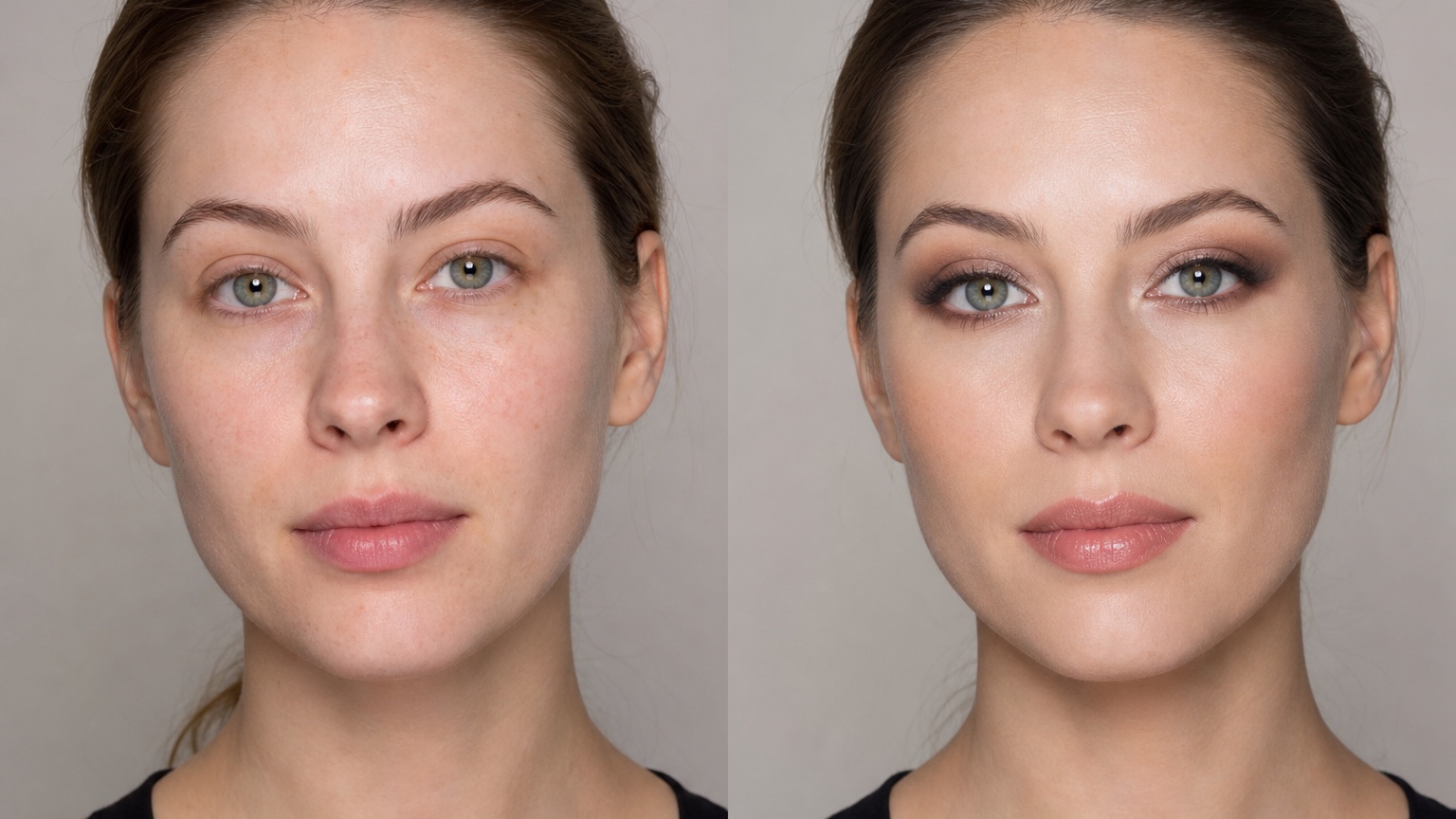
Ai Makeup Before And After is most useful when it helps MUAs, beauty creators, and clients comparing visible before-and-after ideas make one concrete beauty decision. This guide uses the transformation proofing frame: what transformation is persuasive enough to show while still honest enough for a real face, artist, or product plan. That frame keeps the article practical. Use a consistent before photo, test a few transformation strengths, and turn the most honest comparison into a client, product, or content brief.
RedesAIgn's Makeup editor helps build before-and-after beauty concepts from prompts, photos, and references, then keep the best rounds in saved prompts and generation history. That is helpful for MUAs and creators who need a clear visual conversation before products, lighting, and appointment time are committed. Treat each output as a concept preview; real shade matching, hygiene, product performance, and artist technique still have to be confirmed away from the screen.
What AI makeup before-and-after should prove
Before-and-after makeup images are persuasive because they show change, but they can also exaggerate what products and technique can honestly deliver. In the transformation proofing frame, the first step is to write the real decision in plain language: what transformation is persuasive enough to show while still honest enough for a real face, artist, or product plan. That single line keeps AI makeup before and after from becoming generic beauty decoration. For before-and-after work, keep the original crop and light visible while RedesAIgn changes complexion finish, feature emphasis, and color intensity. The preview should answer a practical question for MUAs, beauty creators, and clients comparing visible before-and-after ideas, not simply produce a prettier portrait.
A useful prompt for AI Makeup Before and After Generator for Beauty Ideas has source-photo details, desired makeup direction, and review criteria. Describe the before photo, desired transformation level, client comfort, visible features, and intended use before naming any trend. Then specify clean-skin upgrade, stronger eye definition, lip emphasis, contour level, or red-carpet finish so the after image has a measurable role. Add review terms tied to before-photo constraints and complexion finish so the result can be judged against the actual face instead of admired abstractly.
Review the comparison as a full before-and-after story, then inspect whether the after face still matches the before person. Watch for face slimming, changed bone structure, fake lashes, over-smoothed skin, invented product text, and lighting differences that exaggerate the result. If the after image wins only because it changed identity, it is not a trustworthy consultation reference. Use RedesAIgn generation history to compare whether a narrower revision protects feature emphasis and client comfort better.
Choosing before photos that make the comparison useful
A useful prompt for AI Makeup Before and After Generator for Beauty Ideas has source-photo details, desired makeup direction, and review criteria. Describe the before photo, desired transformation level, client comfort, visible features, and intended use before naming any trend. Then specify clean-skin upgrade, stronger eye definition, lip emphasis, contour level, or red-carpet finish so the after image has a measurable role. Add review terms tied to before-photo constraints and complexion finish so the result can be judged against the actual face instead of admired abstractly.
Review the comparison as a full before-and-after story, then inspect whether the after face still matches the before person. Watch for face slimming, changed bone structure, fake lashes, over-smoothed skin, invented product text, and lighting differences that exaggerate the result. If the after image wins only because it changed identity, it is not a trustworthy consultation reference. Use RedesAIgn generation history to compare whether a narrower revision protects feature emphasis and client comfort better.
Before-and-after planning works better as a progression of intensity than as one maximal transformation. Make a realistic refresh, a stronger event look, and a client-safe middle ground, then judge which story is worth showing. A shopper may care about buying fewer products. A makeup artist may care about consultation language. A creator may care about transformation clarity, while an MUA must protect client expectations. The same comparison can become a consultation board, a shoot plan, or a content hook depending on the audience.
Testing transformation intensity without losing identity
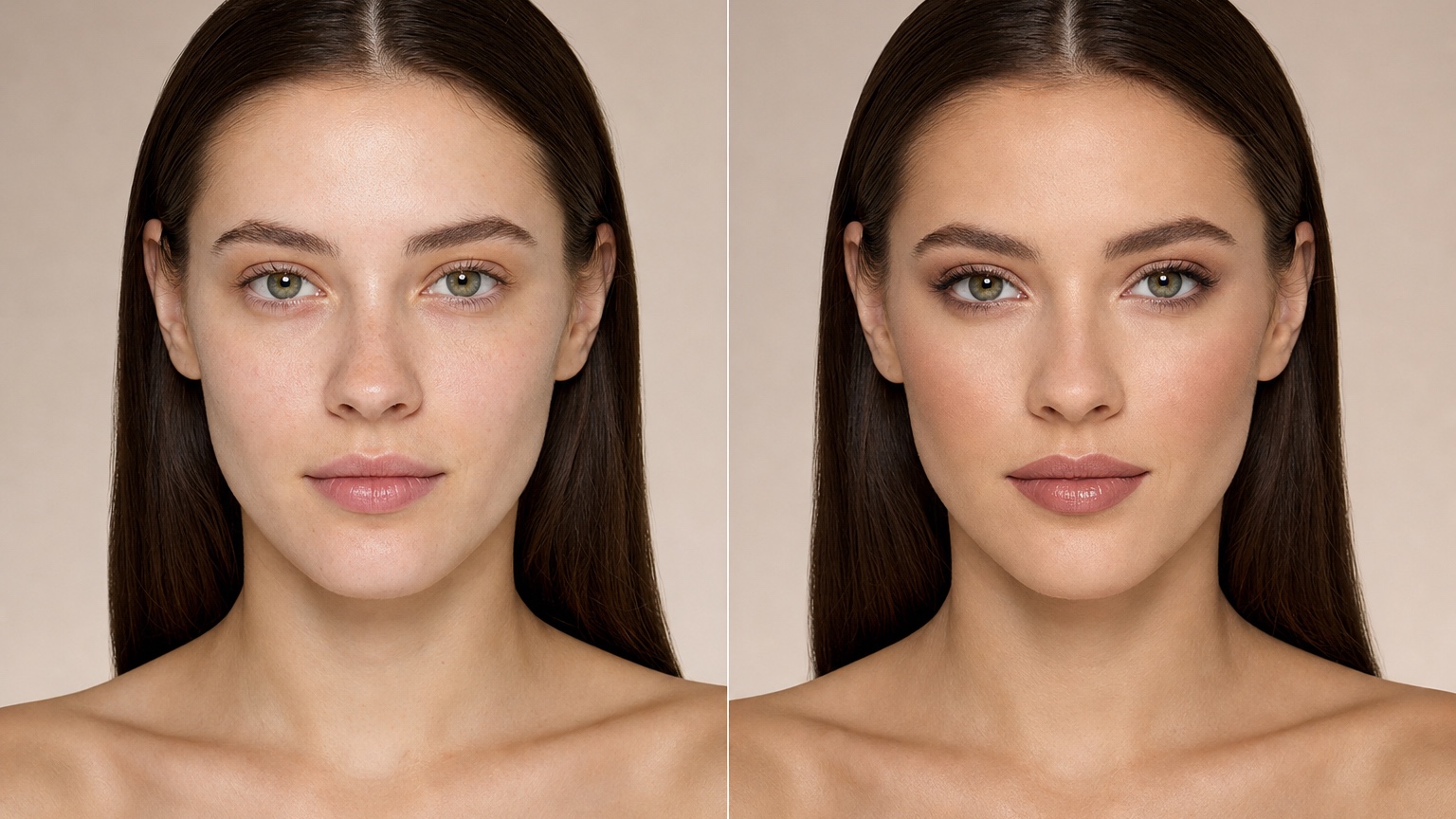
Review the comparison as a full before-and-after story, then inspect whether the after face still matches the before person. Watch for face slimming, changed bone structure, fake lashes, over-smoothed skin, invented product text, and lighting differences that exaggerate the result. If the after image wins only because it changed identity, it is not a trustworthy consultation reference. Use RedesAIgn generation history to compare whether a narrower revision protects feature emphasis and client comfort better.
Before-and-after planning works better as a progression of intensity than as one maximal transformation. Make a realistic refresh, a stronger event look, and a client-safe middle ground, then judge which story is worth showing. A shopper may care about buying fewer products. A makeup artist may care about consultation language. A creator may care about transformation clarity, while an MUA must protect client expectations. The same comparison can become a consultation board, a shoot plan, or a content hook depending on the audience.
The comparison earns trust when the after image is ambitious and still connected to the original face. For transformations, RedesAIgn is a concept proofing tool rather than proof that a real face will change exactly that way. Confirm time, skin prep, product behavior, lighting, and artist technique before promising the after result. The preview is valuable when it lets the client or team choose a believable transformation level before the work begins.
Reviewing the after image like a client or MUA
Before-and-after planning works better as a progression of intensity than as one maximal transformation. Make a realistic refresh, a stronger event look, and a client-safe middle ground, then judge which story is worth showing. A shopper may care about buying fewer products. A makeup artist may care about consultation language. A creator may care about transformation clarity, while an MUA must protect client expectations. The same comparison can become a consultation board, a shoot plan, or a content hook depending on the audience.
The comparison earns trust when the after image is ambitious and still connected to the original face. For transformations, RedesAIgn is a concept proofing tool rather than proof that a real face will change exactly that way. Confirm time, skin prep, product behavior, lighting, and artist technique before promising the after result. The preview is valuable when it lets the client or team choose a believable transformation level before the work begins.
Before-and-after makeup images are persuasive because they show change, but they can also exaggerate what products and technique can honestly deliver. In the transformation proofing frame, the first step is to write the real decision in plain language: what transformation is persuasive enough to show while still honest enough for a real face, artist, or product plan. That single line keeps AI makeup before and after from becoming generic beauty decoration. For before-and-after work, keep the original crop and light visible while RedesAIgn changes complexion finish, feature emphasis, and color intensity. The preview should answer a practical question for MUAs, beauty creators, and clients comparing visible before-and-after ideas, not simply produce a prettier portrait.
RedesAIgn workflow for before-and-after concept rounds
The comparison earns trust when the after image is ambitious and still connected to the original face. For transformations, RedesAIgn is a concept proofing tool rather than proof that a real face will change exactly that way. Confirm time, skin prep, product behavior, lighting, and artist technique before promising the after result. The preview is valuable when it lets the client or team choose a believable transformation level before the work begins.
Before-and-after makeup images are persuasive because they show change, but they can also exaggerate what products and technique can honestly deliver. In the transformation proofing frame, the first step is to write the real decision in plain language: what transformation is persuasive enough to show while still honest enough for a real face, artist, or product plan. That single line keeps AI makeup before and after from becoming generic beauty decoration. For before-and-after work, keep the original crop and light visible while RedesAIgn changes complexion finish, feature emphasis, and color intensity. The preview should answer a practical question for MUAs, beauty creators, and clients comparing visible before-and-after ideas, not simply produce a prettier portrait.
A useful prompt for AI Makeup Before and After Generator for Beauty Ideas has source-photo details, desired makeup direction, and review criteria. Describe the before photo, desired transformation level, client comfort, visible features, and intended use before naming any trend. Then specify clean-skin upgrade, stronger eye definition, lip emphasis, contour level, or red-carpet finish so the after image has a measurable role. Add review terms tied to before-photo constraints and complexion finish so the result can be judged against the actual face instead of admired abstractly.
Where transformation previews need caution
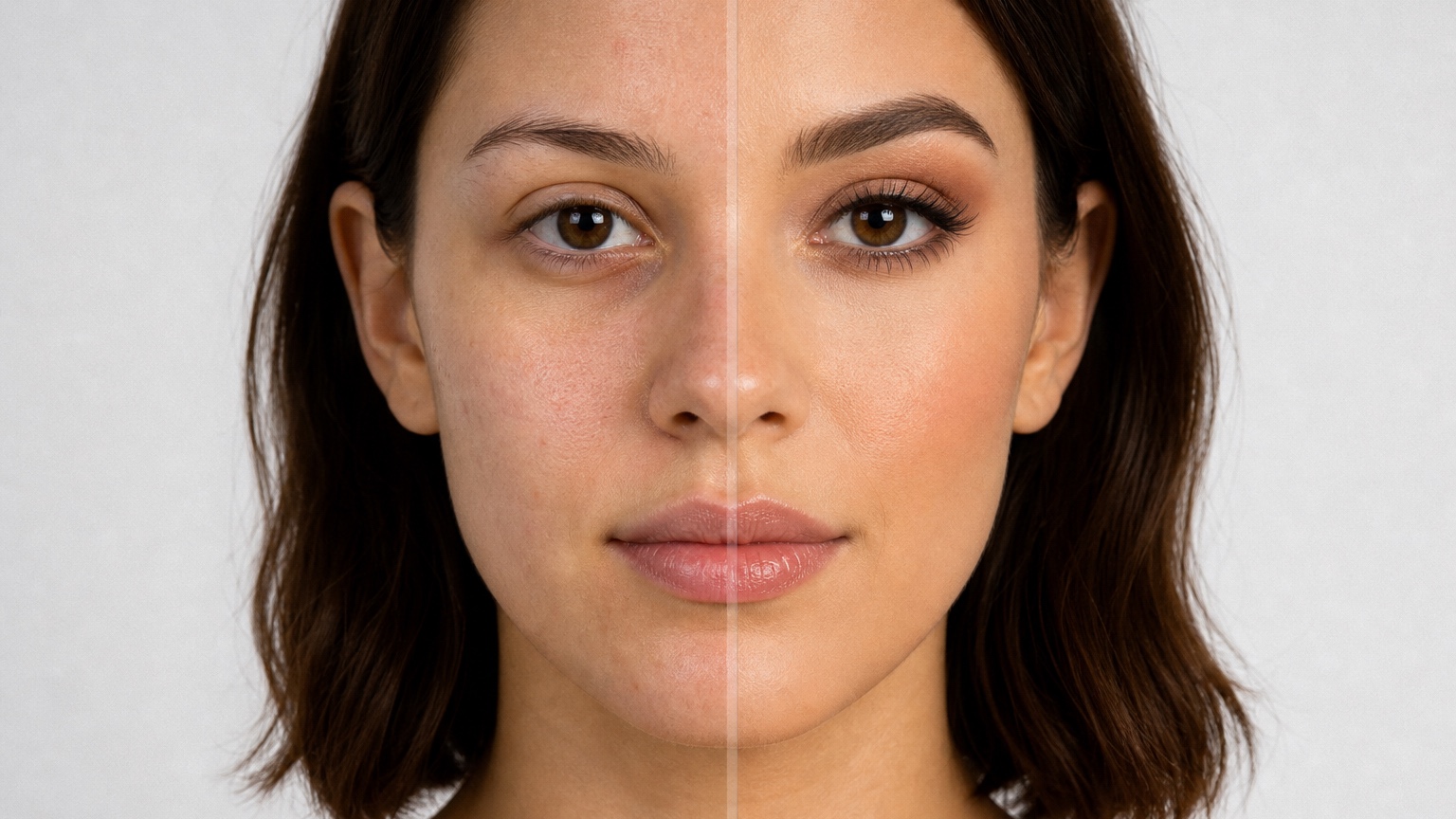
Before-and-after makeup images are persuasive because they show change, but they can also exaggerate what products and technique can honestly deliver. In the transformation proofing frame, the first step is to write the real decision in plain language: what transformation is persuasive enough to show while still honest enough for a real face, artist, or product plan. That single line keeps AI makeup before and after from becoming generic beauty decoration. For before-and-after work, keep the original crop and light visible while RedesAIgn changes complexion finish, feature emphasis, and color intensity. The preview should answer a practical question for MUAs, beauty creators, and clients comparing visible before-and-after ideas, not simply produce a prettier portrait.
A useful prompt for AI Makeup Before and After Generator for Beauty Ideas has source-photo details, desired makeup direction, and review criteria. Describe the before photo, desired transformation level, client comfort, visible features, and intended use before naming any trend. Then specify clean-skin upgrade, stronger eye definition, lip emphasis, contour level, or red-carpet finish so the after image has a measurable role. Add review terms tied to before-photo constraints and complexion finish so the result can be judged against the actual face instead of admired abstractly.
Review the comparison as a full before-and-after story, then inspect whether the after face still matches the before person. Watch for face slimming, changed bone structure, fake lashes, over-smoothed skin, invented product text, and lighting differences that exaggerate the result. If the after image wins only because it changed identity, it is not a trustworthy consultation reference. Use RedesAIgn generation history to compare whether a narrower revision protects feature emphasis and client comfort better.
Using the comparison in a consultation or content plan
A useful prompt for AI Makeup Before and After Generator for Beauty Ideas has source-photo details, desired makeup direction, and review criteria. Describe the before photo, desired transformation level, client comfort, visible features, and intended use before naming any trend. Then specify clean-skin upgrade, stronger eye definition, lip emphasis, contour level, or red-carpet finish so the after image has a measurable role. Add review terms tied to before-photo constraints and complexion finish so the result can be judged against the actual face instead of admired abstractly.
Review the comparison as a full before-and-after story, then inspect whether the after face still matches the before person. Watch for face slimming, changed bone structure, fake lashes, over-smoothed skin, invented product text, and lighting differences that exaggerate the result. If the after image wins only because it changed identity, it is not a trustworthy consultation reference. Use RedesAIgn generation history to compare whether a narrower revision protects feature emphasis and client comfort better.
Before-and-after planning works better as a progression of intensity than as one maximal transformation. Make a realistic refresh, a stronger event look, and a client-safe middle ground, then judge which story is worth showing. A shopper may care about buying fewer products. A makeup artist may care about consultation language. A creator may care about transformation clarity, while an MUA must protect client expectations. The same comparison can become a consultation board, a shoot plan, or a content hook depending on the audience.
Start with a controlled RedesAIgn makeup test
Commercial use is allowed in RedesAIgn, so beauty professionals can use preview concepts in planning conversations while still confirming products and technique in real life. Save the chosen comparison prompt with notes about what changed so the handoff does not become vague makeover language.
Related RedesAIgn guides: AI makeup try on, AI hairstyle generator, and AI clothes try on.
Try these prompts in redesAIgn
Preview a soft layered haircut on this photo while keeping the face shape natural.
Try a subtle color change that still looks realistic in daylight.
Show a polished hairstyle option for a special event without changing identity.
Related guides
- AI Eyeshadow Try-On: Test Eye Looks Before Buying Products
Try eyeshadow looks on your selfie with RedesAIgn. Compare soft, bold, and event color stories before buying palettes or booking makeup.
- AI Lipstick Try-On: Preview Lip Colors on Your Photo
Try lipstick shades on your selfie with RedesAIgn. Compare everyday nudes and bold colors before buying products or locking a makeup look.
- AI Makeup Filter From Photo: Create Realistic Beauty Look Concepts
Apply realistic makeup filters from your photo with RedesAIgn. Compare soft and glam looks before buying products or booking appointments.
- AI Soft Glam Makeup Ideas From Your Face Photo
Preview soft glam makeup looks on your selfie with RedesAIgn. Compare polished options before buying products or booking beauty appointments.
- AI Bridal Makeup Try-On: Compare Wedding Looks Before the Trial
Use AI bridal makeup try on workflows in RedesAIgn to compare realistic makeup concepts, photo-based beauty references, and appointment-ready next steps.