AI Eyebrow Shape Try-On: Preview Brows Before Waxing or Tinting
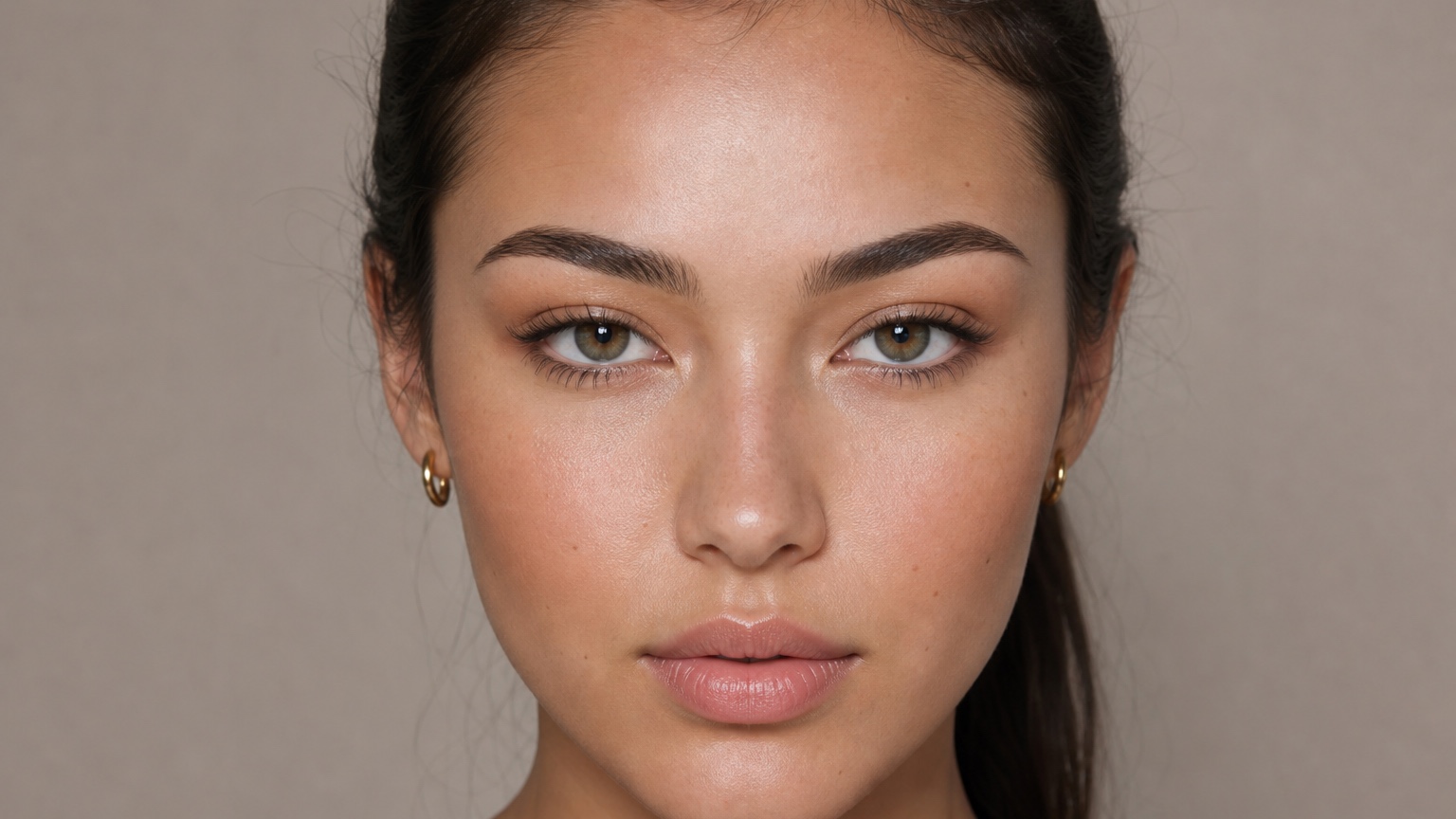
AI Eyebrow Shape Try on is a planning problem before it is a beauty trend for the brow-shape prevention context. The person looking at the image needs a practical answer about avoid brow-shape regret, not a generic polished portrait that could belong to anyone for the brow-shape prevention context. The scenario to keep in mind is someone considering a straighter soft brow after years of high arches, while the artist needs to protect facial balance and avoid over-thinning the tail for the brow-shape prevention context. In that moment, a quick visual preview can prevent circular conversations, rushed purchases, awkward appointments, and content decisions based on guesswork for the brow-shape prevention context. RedesAIgn is useful because it keeps the workflow visual without asking the user to become a designer for the brow-shape prevention context. You can start from a photo, write a prompt, compare variations, use references when they help, save prompts, and return to generation history when the decision needs to be explained for the brow-shape prevention context. This guide keeps the claims grounded: use the output as a concept and communication aid, not as a guarantee that real products, lighting, or hands-on technique will behave identically for the brow-shape prevention context.
AI Eyebrow Shape Try-On: Preview Brows Before Waxing or Tinting: the decision this preview should answer
The useful question behind AI eyebrow shape try on is not whether AI can make a face look polished for the brow-shape prevention context. The real question is whether a specific person can make a safer decision about avoid brow-shape regret before money, time, products, or reputation are committed for the brow-shape prevention context. For this article, the decision frame is brow regret prevention before waxing, threading, tinting, lamination, or semi-permanent work for the brow-shape prevention context. That frame matters because brow artists and consumers need to preview arch height and tail shape on the actual face instead of copying a celebrity brow for the brow-shape prevention context. A preview that ignores that context may look impressive while still being too vague to guide the next step for the brow-shape prevention context. RedesAIgn works well as a middle layer between inspiration and action for the brow-shape prevention context. Upload the face photo, describe the intended look, optionally use a reference or remix image for color direction, then compare the results in generation history instead of relying on memory for the brow-shape prevention context.
Start with a usable face photo, not a perfect one
A strong input photo for AI eyebrow shape try on is clear, recent, evenly lit, and honest about the person’s features for the brow-shape prevention context. Visible eyes, brows, lips, cheek shape, and skin texture matter more than a glamorous pose because those details control whether the makeup placement can be judged for the brow-shape prevention context. Avoid filtered images, extreme shadows, sunglasses, hair covering the eyes, or a camera angle that changes facial proportions for the brow-shape prevention context. The goal is not to upload the most flattering picture; the goal is to upload the picture that makes the decision easier for the brow-shape prevention context. Add context in the prompt only when it changes the answer for the brow-shape prevention context. Mention shoot lighting, event formality, outfit color, appointment constraints, product comfort, or camera distance if those factors affect the AI eyebrow shape try on result for the brow-shape prevention context.
Build a three-option AI eyebrow shape try on comparison
Do not ask for every possible beauty idea in one prompt for the brow-shape prevention context. Create a small ladder instead: minimal cleanup that preserves current identity, then refined arch and tail correction, then stronger brow transformation for a style shift for the brow-shape prevention context. The point is to see the tradeoff between safety and impact for the brow-shape prevention context. Keep one major variable moving at a time for the brow-shape prevention context. If the first version changes lashes, lips, complexion, brows, blush, lighting, and wardrobe mood all together, no one can tell which change created the better result for the brow-shape prevention context. This comparison is especially useful for brow artists, consumers for the brow-shape prevention context. It turns the AI output into a decision board: the safe version, the promising version, and the too-far version all teach something about the final direction for the brow-shape prevention context.
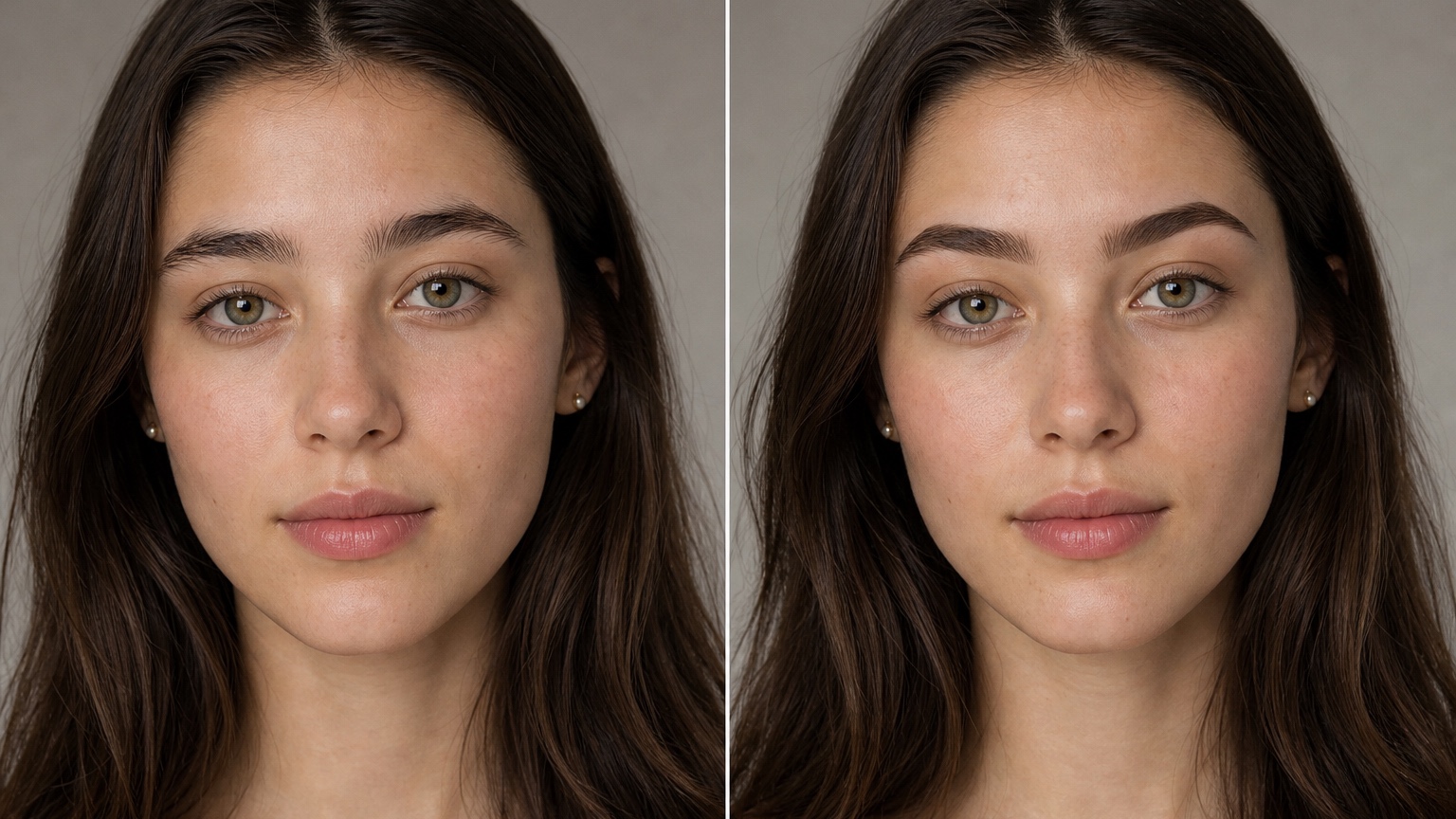
Prompt structure to use in RedesAIgn
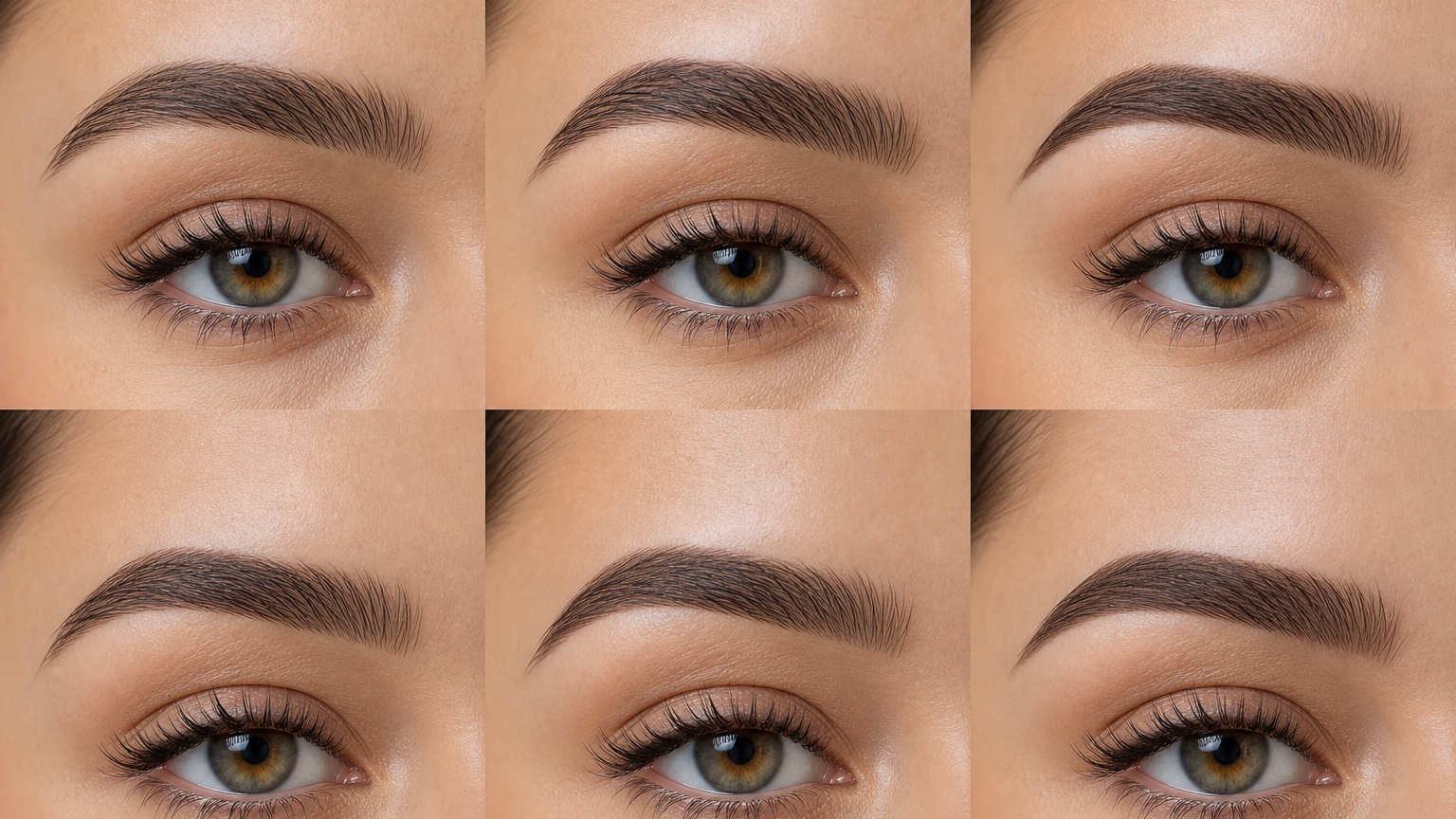
Start with a plain brief: 'Using this face photo, create a realistic AI eyebrow shape try on reference that keeps the person recognizable for the brow-shape prevention context.' Then add the occasion, finish, color family, intensity, and the feature that should remain natural for the brow-shape prevention context. For the second image, request a before-and-after comparison with the same face angle and similar lighting so the change can be judged fairly for the brow-shape prevention context. For the third image, ask for a closer inspection of the key feature, such as lashes, brows, lips, skin finish, or overall camera readiness for the brow-shape prevention context. If a visual reference helps, use it to clarify mood or palette rather than to copy another person for the brow-shape prevention context. Good references narrow the prompt; bad references pull the result away from the actual face that needs the decision for the brow-shape prevention context.
How to judge whether the preview is believable
An AI eyebrow shape try on image should be attractive, but attractiveness is not enough for the brow-shape prevention context. Check whether the eyes still line up, the lip shape remains plausible, the brow placement makes sense, and the skin still has believable texture instead of a plastic surface for the brow-shape prevention context. Also inspect small artifacts: warped lashes, smeared brow hairs, impossible contour shadows, odd jewelry, pseudo-text, watermarks, or background marks that look like labels for the brow-shape prevention context. Those issues make the image weaker as a reference even if the overall mood is good for the brow-shape prevention context. Because this is a makeup workflow, faces are expected for the brow-shape prevention context. The quality bar is not 'no people'; it is realistic faces, no distorted beauty features, no readable text or logos, and no crop that hides the makeup decision for the brow-shape prevention context.
Turn the best image into a practical handoff
The best preview should travel with instructions for the brow-shape prevention context. For this topic, mark what should change and what must stay untouched, especially front density, arch location, and tail length for the brow-shape prevention context. Without that short explanation, an artist, shopper, client, or future version of you may copy the wrong part of the image for the brow-shape prevention context. For a service appointment, include what should be softened in real life and what is non-negotiable for the brow-shape prevention context. For product shopping, translate the image into shade family, finish, and intensity rather than a single exact product for the brow-shape prevention context. For content, keep the prompt so future images stay consistent for the brow-shape prevention context. RedesAIgn's saved prompts and generation history are useful here because they preserve the reasoning trail for the brow-shape prevention context. You can return to the version that worked, adjust one detail, or show why another direction was rejected for the brow-shape prevention context.
Common mistakes that create misleading makeup previews
The first mistake is copying AI eyebrow shape try on from another person’s face for the brow-shape prevention context. Inspiration is useful, but lid space, brow bone, lip pigment, undertone, cheek depth, and camera distance change how a look reads for the brow-shape prevention context. The second mistake is approving the most dramatic option because it looks more transformed for the brow-shape prevention context. Dramatic can be helpful for a campaign or costume, but everyday wear, client approval, and appointment confidence often depend on the middle option for the brow-shape prevention context. The third mistake is ignoring feasibility for the brow-shape prevention context. If the preview requires a product, technique, lash map, brow removal, or skin finish that does not match the real situation, ask RedesAIgn for a simpler version that keeps the same mood for the brow-shape prevention context.
A simple RedesAIgn workflow
Upload one clear face photo and generate a focused AI eyebrow shape try on option for the brow-shape prevention context. Save the prompt, then create two more versions where only one choice changes for the brow-shape prevention context. Compare them side by side in history before deciding which image deserves action for the brow-shape prevention context. Pick one keeper, one backup, and one rejected example for the brow-shape prevention context. The rejected example is not wasted; it tells the artist what to avoid, tells the shopper what not to buy, or tells the creator which visual direction does not fit the story for the brow-shape prevention context. Try the brow change in RedesAIgn first, compare subtle and stronger versions, then bring the clearest reference to the brow appointment before anything is removed for the brow-shape prevention context. RedesAIgn also offers one-time credit packs and allows commercial use, which matters when the workflow supports client boards, campaigns, salon consultations, or paid creator content for the brow-shape prevention context.
Final checklist before buying, booking, or shooting
Before acting on an AI eyebrow shape try on preview, confirm that the face remains recognizable, the makeup placement is realistic, the occasion is clear, and the next step is obvious for the brow-shape prevention context. If one of those checks fails, regenerate before spending money for the brow-shape prevention context. Share the final image with a short note about what to keep, what to adjust, and what lighting or camera situation it represents for the brow-shape prevention context. That note is the difference between a pretty AI image and a useful planning reference for the brow-shape prevention context. When in doubt, choose the version that makes the decision easier rather than the version that looks most dramatic in isolation for the brow-shape prevention context. The most valuable preview is the one that reduces regret for the brow-shape prevention context.
One extra practical check for AI eyebrow shape try on is to name who will use the reference next for the brow-shape prevention context. A self-guided shopper needs shade and intensity notes, a beauty professional needs placement boundaries, and a creator needs repeatable prompt language for future assets for the brow-shape prevention context. Writing that role into the prompt keeps the result from becoming a generic makeover image for the brow-shape prevention context.
FAQ
Can RedesAIgn help with AI eyebrow shape try on before I spend money?
Yes for the brow-shape prevention context. Use it to compare realistic options from a clear face photo before buying products, booking a service, approving a client direction, or planning content for the brow-shape prevention context.
Should the generated AI eyebrow shape try on image be copied exactly?
No for the brow-shape prevention context. Treat the image as a reference for color, placement, intensity, and mood for the brow-shape prevention context. Real products, artist technique, skin prep, and lighting should still guide the final result for the brow-shape prevention context.
Try these prompts in redesAIgn
Preview a soft layered haircut on this photo while keeping the face shape natural.
Try a subtle color change that still looks realistic in daylight.
Show a polished hairstyle option for a special event without changing identity.
Related guides
- AI Eyeshadow Try-On: Test Eye Looks Before Buying Products
Try eyeshadow looks on your selfie with RedesAIgn. Compare soft, bold, and event color stories before buying palettes or booking makeup.
- AI Lipstick Try-On: Preview Lip Colors on Your Photo
Try lipstick shades on your selfie with RedesAIgn. Compare everyday nudes and bold colors before buying products or locking a makeup look.
- AI Makeup Before and After Generator for Beauty Ideas
Create makeup before-and-after previews with RedesAIgn for clients, content, or appointment planning without overpromising final results.
- AI Makeup Filter From Photo: Create Realistic Beauty Look Concepts
Apply realistic makeup filters from your photo with RedesAIgn. Compare soft and glam looks before buying products or booking appointments.
- AI Soft Glam Makeup Ideas From Your Face Photo
Preview soft glam makeup looks on your selfie with RedesAIgn. Compare polished options before buying products or booking beauty appointments.