AI Car Interior Design: Visualize Cabin Materials, Colors, and Trim Ideas
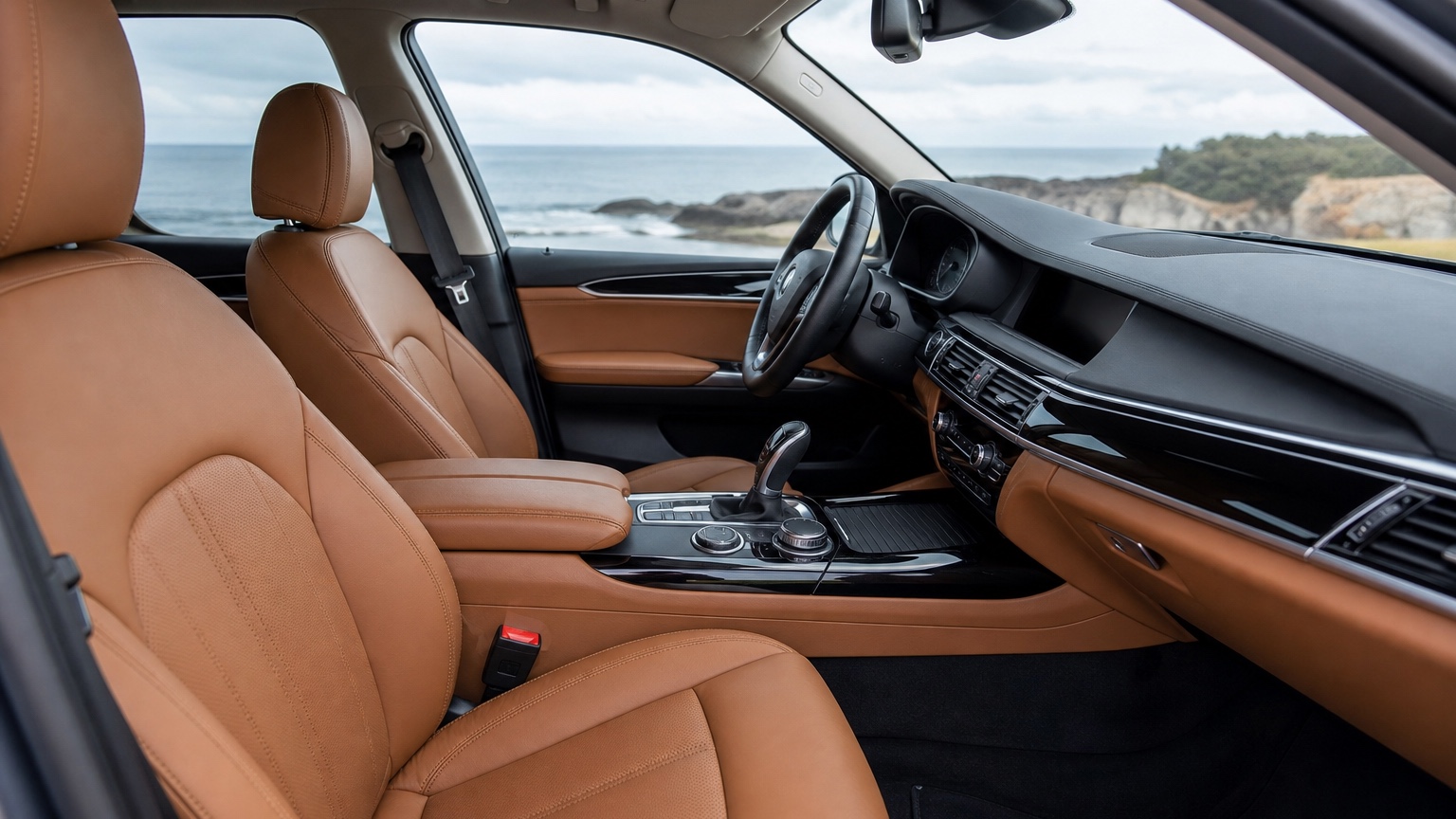
Why AI car interior design should answer a real vehicle decision
People search for AI car interior design when a visible vehicle choice is still uncertain. The decision may involve a sale, a quote, a shop visit, a package explanation, a color sample, a customer presentation, or a parts list, but the common problem is the same: words alone do not make the tradeoff concrete for this cabin material planning workflow.
The frame for this guide is a cabin-experience planning session where comfort, durability, brand personality, resale, and craftsmanship matter as much as a stylish image. That keeps the output practical. A strong concept image should make the next step easier to name, not simply make the vehicle look more dramatic for this cabin material planning workflow.
Picture a custom shop comparing a factory-plus leather refresh, a sportier contrast-stitch direction, and a luxury-inspired cabin presentation while watching seat shape, controls, wear areas, and customer budget. For custom interior shops, restorers, dealers, creators, and vehicle owners, the useful image is the one that exposes what should happen next: request a quote, test another finish, simplify the package, ask a specialist, order a sample, or stop before money is wasted.
Start the AI car interior design workflow with constraints
Use an uploaded photo that represents the real vehicle honestly. The angle should match the decision: side views help wheels, color, wraps, stance, and before/after comparisons; three-quarter views help total impression; cabin photos help upholstery, trim, and interior color questions for this cabin material planning workflow.
Name what must stay unchanged. Body shape, glass, wheelbase, current damage, dashboard layout, sponsor-safe areas, trim identity, wheel arches, or customer brand restrictions can all be constraints for this cabin material planning workflow. Constraints keep the generated image from drifting into a different vehicle for this cabin material planning workflow.
Then state the buying or approval context. Custom interior shops, restorers, dealers, creators, and vehicle owners do not all need the same image. A shop estimate, listing photo, ad hook, restoration brief, off-road build plan, and color-choice discussion each need a different level of realism for this cabin material planning workflow.
Decision checkpoint 1 for AI car interior design
Interior design previews should respect controls, seat geometry, vents, screens, pedals, storage, and sight lines. Those details make the cabin feel usable.
Use the preview as a controlled comparison. Change one meaningful variable at a time, then compare the result against the original upload so invented details do not quietly become assumptions for this cabin material planning workflow.
RedesAIgn's saved prompts and generation history are helpful here because each direction can be traced back to the wording that produced it for this cabin material planning workflow. Keep the prompt that worked, revise the part that did not, and make the next image easier to judge for this cabin material planning workflow.
Decision checkpoint 2 for AI car interior design
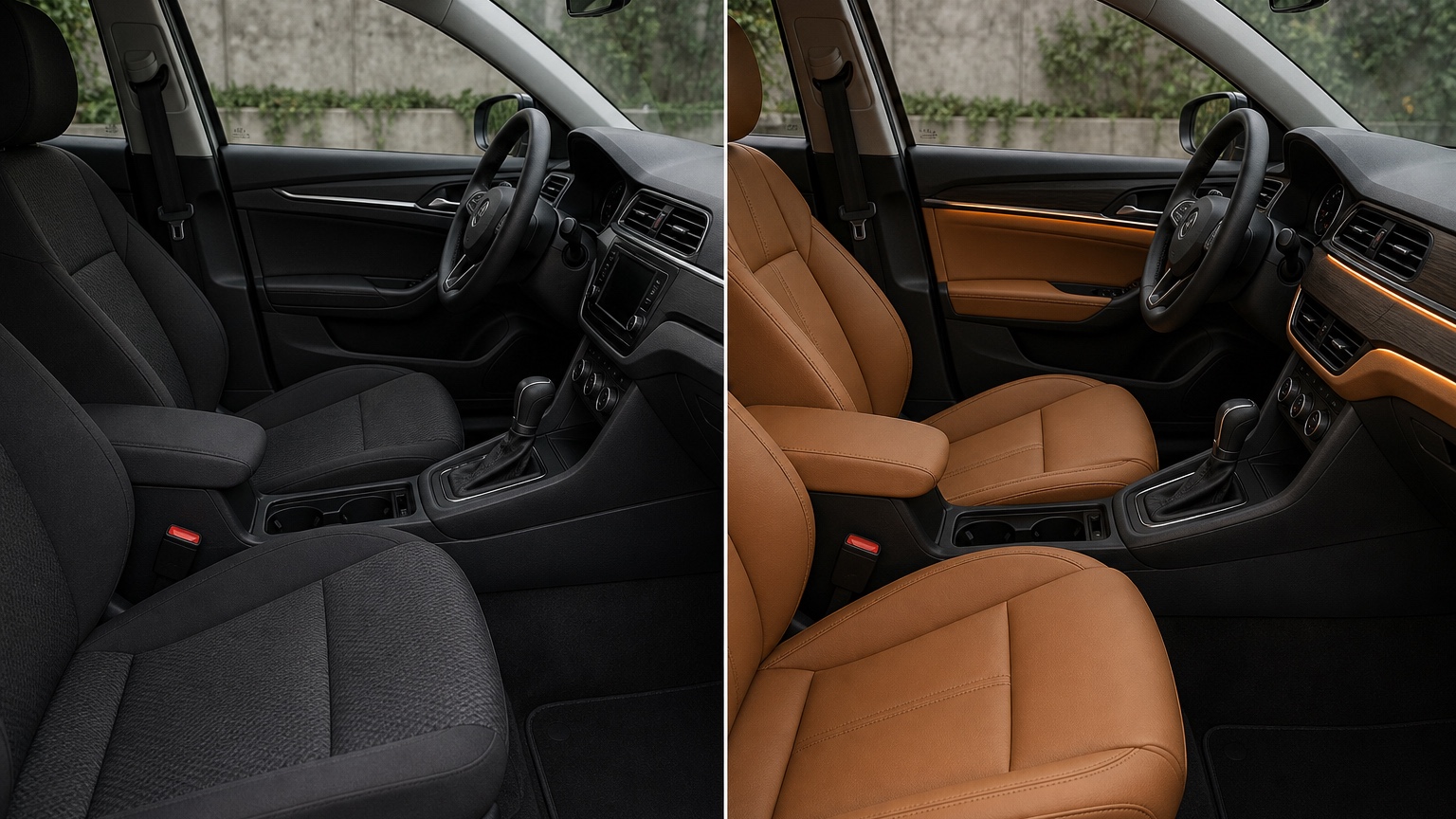
The best prompt names materials and touchpoints separately: seat inserts, bolsters, door panels, dash trim, stitching, lighting, floor mats, and steering wheel accents.
Use the preview as a controlled comparison. Change one meaningful variable at a time, then compare the result against the original upload so invented details do not quietly become assumptions for this cabin material planning workflow.
RedesAIgn's saved prompts and generation history are helpful here because each direction can be traced back to the wording that produced it for this cabin material planning workflow. Keep the prompt that worked, revise the part that did not, and make the next image easier to judge for this cabin material planning workflow.
Decision checkpoint 3 for AI car interior design
A cabin concept is valuable when it helps people choose restraint, because small trim decisions often decide whether the final vehicle feels premium or chaotic.
Use the preview as a controlled comparison. Change one meaningful variable at a time, then compare the result against the original upload so invented details do not quietly become assumptions for this cabin material planning workflow.
RedesAIgn's saved prompts and generation history are helpful here because each direction can be traced back to the wording that produced it for this cabin material planning workflow. Keep the prompt that worked, revise the part that did not, and make the next image easier to judge for this cabin material planning workflow.
Prompt brief for stronger AI car interior design results
Begin with the intended outcome: create a realistic vehicle concept from the uploaded photo for custom interior shops, restorers, dealers, creators, and vehicle owners who need to preview upholstery, dashboard color, trim accents, lighting mood, seating style, and cabin presentation before ordering materials or promising a custom interior direction. Mention the exact visible area being tested rather than asking for a broad redesign for this cabin material planning workflow.
Add practical guardrails: keep the original vehicle recognizable, no text labels, no fake logos, no watermarks, no people, believable lighting, realistic materials, clean composition, and no impossible proportions for this cabin material planning workflow. Those limits make the result more useful for a real conversation for this cabin material planning workflow.
Generate three directions with different risk levels. One should stay close to the current vehicle, one should make the main improvement obvious, and one can test a stronger taste boundary for this cabin material planning workflow. Comparing that range prevents the boldest image from winning by default for this cabin material planning workflow.
How to judge an AI car interior design output before acting
Use this scorecard: material plausibility, control visibility, comfort cues, trim restraint, craftsmanship risk, resale fit, and whether the design can guide a real quote. A scorecard slows the review down enough to separate excitement from usefulness for this cabin material planning workflow.
Check professional reality next. Detailing has service limits, wraps have seams, paint has prep, interiors have wear points, off-road accessories affect payload, and color choices change under lighting for this cabin material planning workflow. The image should lead to sharper questions, not replace the work of the person responsible for execution for this cabin material planning workflow.
The first mistake to avoid is turning a real cabin into a concept-car cockpit so completely that the upholsterer cannot use it as a brief. If the image hides the original car, exaggerates the promise, or removes the decision context, prompt again with tighter constraints for this cabin material planning workflow.
Where RedesAIgn fits in the AI car interior design process
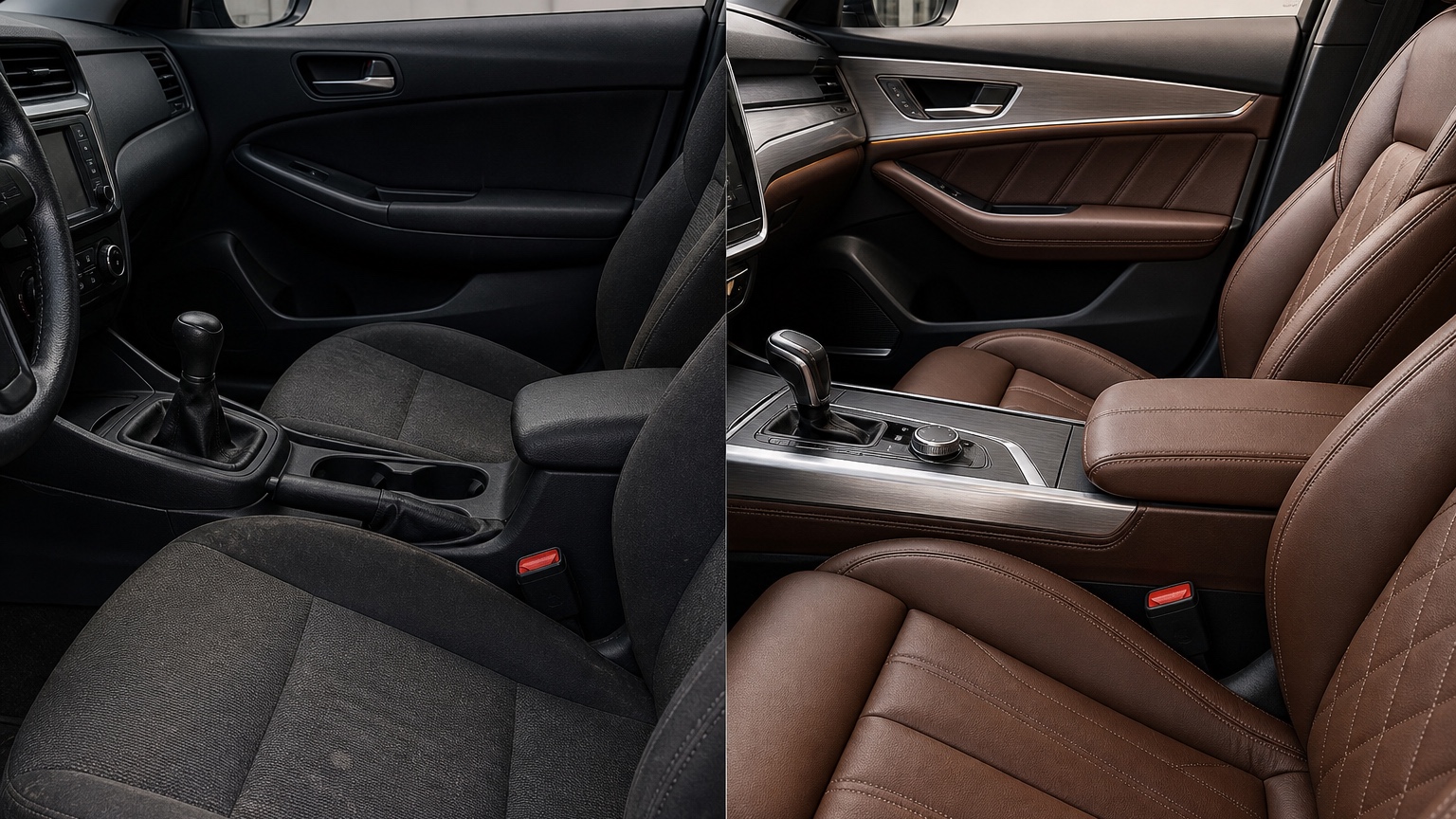
RedesAIgn is an AI photo/image editing web app for visualizing redesigns before committing money, time, or client approval. For cabin material planning, its editor workflow can combine prompt-driven edits, reference directions, saved prompts, and generation history.
Use RedesAIgn when interior ideas are hard to describe with words alone. Upload a cabin photo, test material and color families with the Vehicle / Auto Design editor, save the best prompts, and use the concepts as a brief for an upholsterer, restorer, dealer photographer, or custom shop.
This cabin material planning exploration can begin with 5 free AI credits and no credit card required. For a cabin-design brief, paid credit packs are useful when the team needs more alternatives; commercial use support also matters when the concepts are part of client-facing review.
Handoff checklist after the AI car interior design session
Choose one next action for each useful concept: request a quote, order a sample, ask about fitment, prepare production artwork, compare another color, write a package description, schedule a shop review, or eliminate the idea.
Save rejected concepts with short notes. Rejected cabin-design brief options document the taste, scope, or budget boundaries that made the final direction more defensible.
For AI car interior design, success is not a perfect final render. The win is a clearer cabin-design brief decision that keeps the real vehicle and execution responsibility in view.
Keeping cabin concepts buildable
A cabin image becomes more useful when the review names buildability limits. Upholstery seams, airbag areas, seat controls, screens, vents, steering-wheel controls, cupholders, storage, wear points, and visibility should remain understandable. If the output hides those items, it may look premium while giving the upholsterer very little to price or execute.
Divide the interior brief into zones. Seats can test leather, cloth, suede-like texture, stitching, piping, or insert colors. Door panels can test accent continuity. Dash and console areas can test trim tone, lighting mood, or restraint. Treating zones separately keeps the result from becoming a single luxury blur.
For restorations and resale vehicles, include a conservative option. The boldest cabin may win social attention, but a factory-plus direction often protects value, comfort, and long-term satisfaction. RedesAIgn is useful because those alternatives can sit side by side before anyone orders material.
If the concept is for a paying customer, ask them to rank comfort, durability, originality, sportiness, and resale before selecting materials. Their ranking prevents the visual review from being driven only by the newest or most luxurious-looking cabin output.
For shop handoff, export the chosen direction with a short material list and a separate question list. The material list captures leather, cloth, trim, stitching, lighting, and color ideas; the questions capture airbags, controls, wear, sourcing, labor, and budget. That split makes the image easier for a professional to evaluate.
FAQ
Can AI car interior design replace a professional shop quote?
No. It can create cabin-design brief direction images, while quotes, materials, warranty, safety, legality, and installation remain professional responsibilities.
What photo should I upload first?
Start with a clean, well-lit source image that shows the specific area involved in the cabin-design brief. Choose the view around the cabin-design brief: exterior angles for body decisions, closer details for surfaces, and cabin photos only when the interior is the subject.
Try these prompts in redesAIgn
Redesign this room with warm neutrals, layered lighting, and a functional seating layout.
Keep the architecture, but update furniture, rug, and wall color for a calm modern look.
Show a before-to-after concept with better traffic flow and fewer bulky pieces.
Related guides
- AI Bathroom Remodel Visualizer for Tile, Vanity, and Lighting Ideas
Visualize bathroom remodel ideas from a real photo with RedesAIgn. Compare finishes, fixtures, and layout limits before ordering materials.
- AI Bedroom Design Generator for Layout and Decor Ideas
Generate bedroom design concepts from your room photo with RedesAIgn. Compare layout and furniture directions before you buy or remodel.
- AI Dining Room Design Ideas From a Photo
Use AI dining room design to plan table size, chair clearance, chandelier alignment, rugs, storage, and lighting from a real room photo.
- AI Furniture Visualizer: Preview Furniture in Your Room Photo
Use an AI furniture visualizer to preview scale, placement, color, material, and fit in your room photo before buying or presenting furniture.
- AI Interior Design From Photo: Redesign Any Room Visually
Use AI interior design from photo workflows to preview room styles, furniture layouts, finishes, and decor ideas before buying anything.