AI Makeup Filter From Photo: Create Realistic Beauty Look Concepts
Last updated: March 21, 2026.
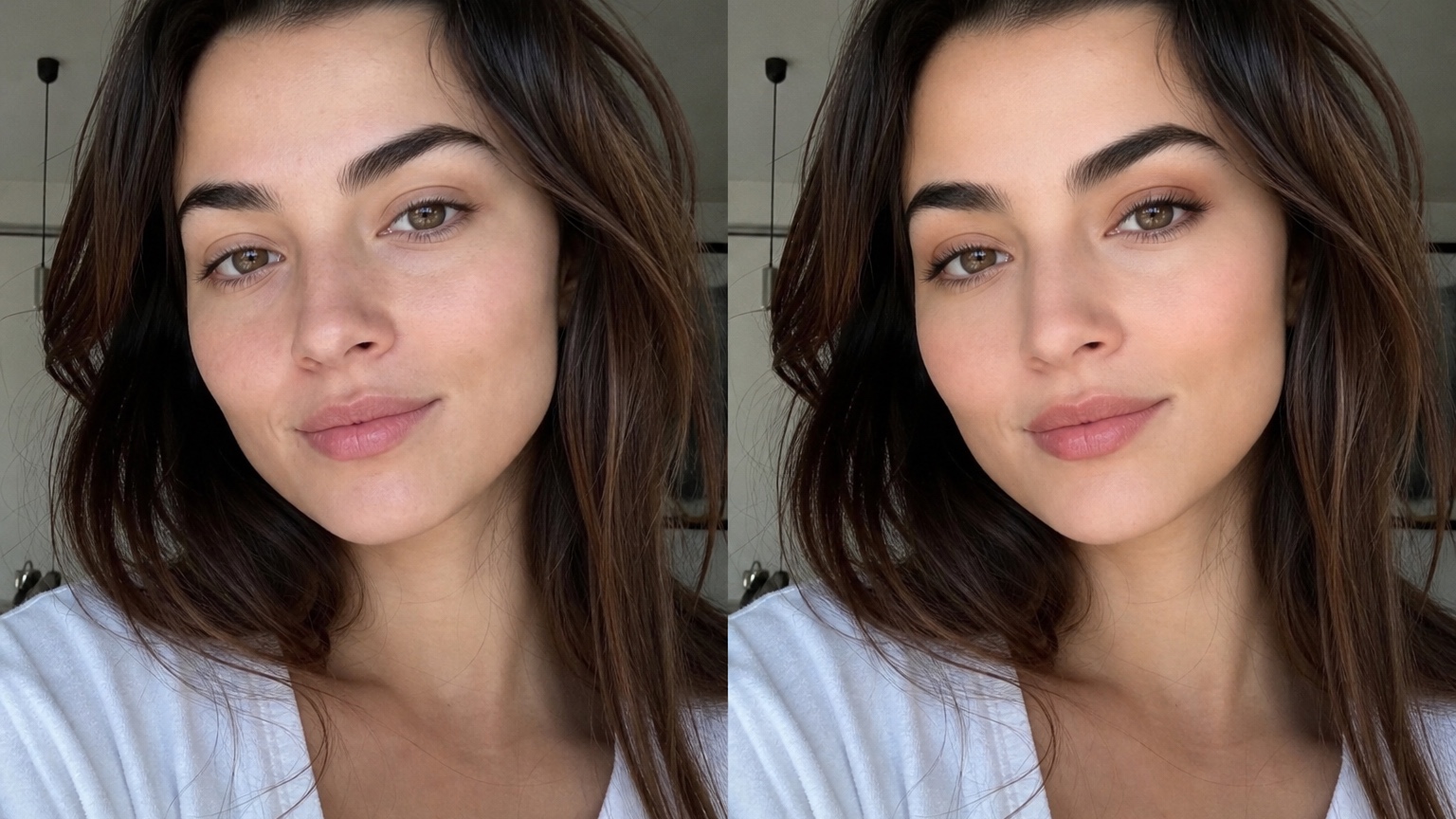
Ai Makeup Filter From Photo is most useful when it helps social users and creators turning an existing face photo into a planned beauty concept make one concrete beauty decision. This guide uses the photo-polish realism frame: how far a makeup filter can polish the image while keeping identity, skin texture, and platform trust intact. That frame keeps the article practical. Start with the actual photo to be improved, test restraint levels, and turn the best version into editing direction or beauty notes for the post.
RedesAIgn provides photo-based AI editing, including Makeup concepts, prompt editing, remix/reference inputs, saved prompts, and generation history. For a makeup filter from photo, those tools are useful because the creator can keep the original identity visible while testing polish levels. The preview should guide editing taste and beauty planning; it cannot guarantee skin reaction, product texture, or how an audience will read the final published image. RedesAIgn starts with 5 free AI credits and no credit card required.
What an AI makeup filter from photo should protect
A makeup filter becomes useful when it clarifies a beauty direction without making the person look like someone else. In the photo-polish realism frame, the first step is to write the real decision in plain language: how far a makeup filter can polish the image while keeping identity, skin texture, and platform trust intact. That single line keeps AI makeup filter from photo from becoming generic beauty decoration. For a filter workflow, preserve identity, crop, and light while RedesAIgn adjusts polish, complexion, brows, blush, and lip balance. The preview should answer a practical question for social users and creators turning an existing face photo into a planned beauty concept, not simply produce a prettier portrait.
A useful prompt for AI Makeup Filter From Photo: Create Realistic Beauty Look Concepts has source-photo details, desired makeup direction, and review criteria. Describe the source image, platform use, creator tone, skin texture, eye visibility, and what should remain natural before requesting polish. Then specify subtle skin evening, brow grooming, soft blush, realistic lip tint, and no identity change so the filter does not overreach. Add review terms tied to photo crop and skin texture so the result can be judged against the actual face instead of admired abstractly.
Review the filtered photo as a feed image first, then inspect the skin, eyes, and mouth close up. Watch for waxy skin, altered facial structure, strange catchlights, fake app-interface text, and makeup that conflicts with the original light direction. If the filter makes the person less recognizable, it is a brand-trust problem rather than an improvement. Use RedesAIgn generation history to compare whether a narrower revision protects camera lighting and brand or creator tone better.
Choosing a source photo that keeps the filter honest
A useful prompt for AI Makeup Filter From Photo: Create Realistic Beauty Look Concepts has source-photo details, desired makeup direction, and review criteria. Describe the source image, platform use, creator tone, skin texture, eye visibility, and what should remain natural before requesting polish. Then specify subtle skin evening, brow grooming, soft blush, realistic lip tint, and no identity change so the filter does not overreach. Add review terms tied to photo crop and skin texture so the result can be judged against the actual face instead of admired abstractly.
Review the filtered photo as a feed image first, then inspect the skin, eyes, and mouth close up. Watch for waxy skin, altered facial structure, strange catchlights, fake app-interface text, and makeup that conflicts with the original light direction. If the filter makes the person less recognizable, it is a brand-trust problem rather than an improvement. Use RedesAIgn generation history to compare whether a narrower revision protects camera lighting and brand or creator tone better.
A photo-filter workflow should compare subtle, polished, and campaign-ready levels of editing. Make a barely edited version, a stronger beauty version, and a middle version, then judge which one still fits the channel. A shopper may care about buying fewer products. A makeup artist may care about consultation language. A creator should care whether followers still believe the face belongs to the same person in the original photo. A social user may save a retouching direction, while a creator may build a repeatable campaign style.
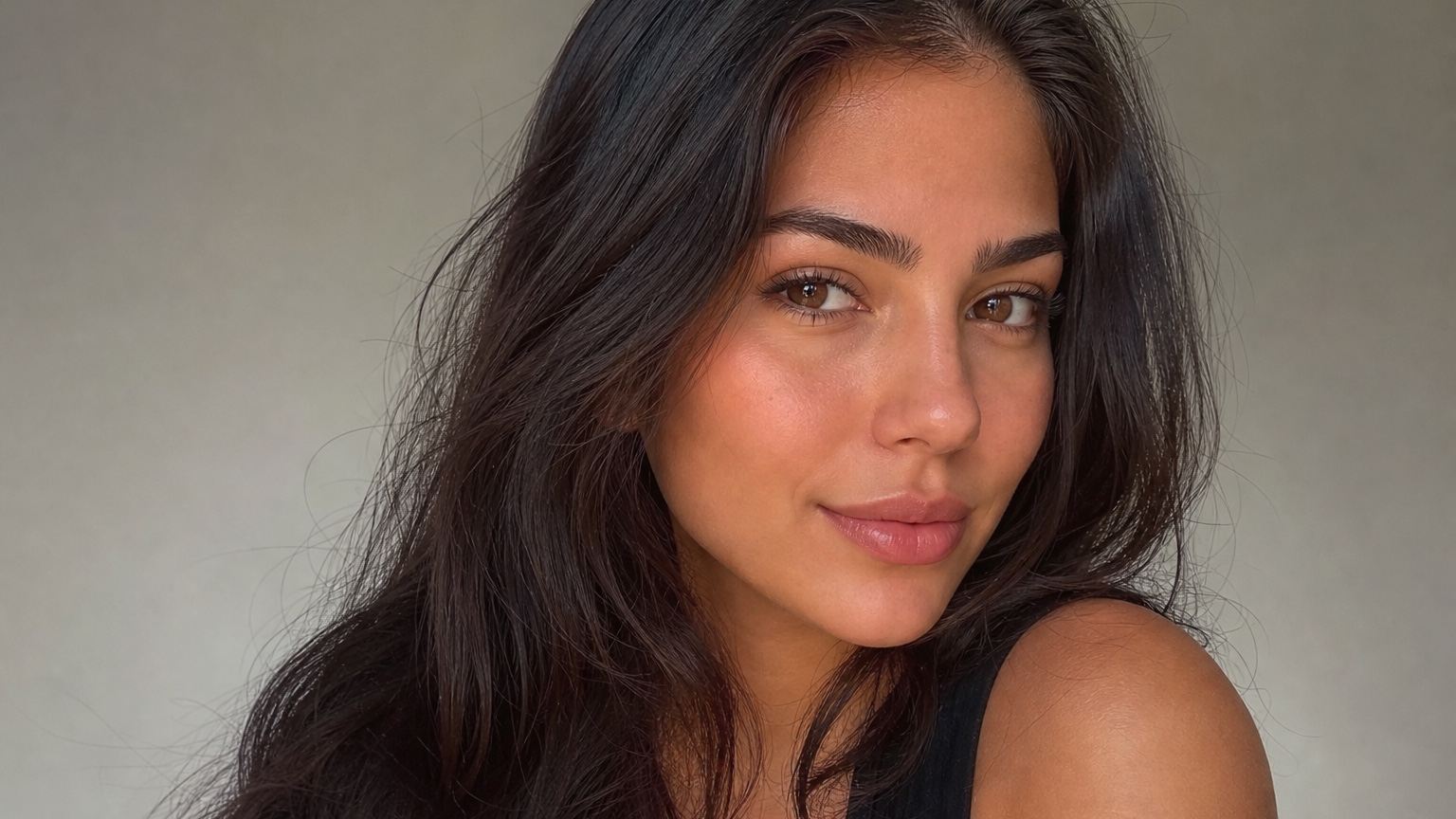
Testing polish, complexion, eye, and lip changes separately
Review the filtered photo as a feed image first, then inspect the skin, eyes, and mouth close up. Watch for waxy skin, altered facial structure, strange catchlights, fake app-interface text, and makeup that conflicts with the original light direction. If the filter makes the person less recognizable, it is a brand-trust problem rather than an improvement. Use RedesAIgn generation history to compare whether a narrower revision protects camera lighting and brand or creator tone better.
A photo-filter workflow should compare subtle, polished, and campaign-ready levels of editing. Make a barely edited version, a stronger beauty version, and a middle version, then judge which one still fits the channel. A shopper may care about buying fewer products. A makeup artist may care about consultation language. A creator should care whether followers still believe the face belongs to the same person in the original photo. A social user may save a retouching direction, while a creator may build a repeatable campaign style.
The polished version should still feel usable as a reference after the phone screen is put down. For makeup filters, RedesAIgn is a concept editor rather than a promise that every pixel should be published untouched. Confirm whether the final image needs disclosure, manual retouching, platform cropping, and brand consistency before posting. The preview earns its place when it helps choose a realistic photo polish direction without damaging authenticity.
Reviewing a filtered concept for creator trust
A photo-filter workflow should compare subtle, polished, and campaign-ready levels of editing. Make a barely edited version, a stronger beauty version, and a middle version, then judge which one still fits the channel. A shopper may care about buying fewer products. A makeup artist may care about consultation language. A creator should care whether followers still believe the face belongs to the same person in the original photo. A social user may save a retouching direction, while a creator may build a repeatable campaign style.
The polished version should still feel usable as a reference after the phone screen is put down. For makeup filters, RedesAIgn is a concept editor rather than a promise that every pixel should be published untouched. Confirm whether the final image needs disclosure, manual retouching, platform cropping, and brand consistency before posting. The preview earns its place when it helps choose a realistic photo polish direction without damaging authenticity.
A makeup filter becomes useful when it clarifies a beauty direction without making the person look like someone else. In the photo-polish realism frame, the first step is to write the real decision in plain language: how far a makeup filter can polish the image while keeping identity, skin texture, and platform trust intact. That single line keeps AI makeup filter from photo from becoming generic beauty decoration. For a filter workflow, preserve identity, crop, and light while RedesAIgn adjusts polish, complexion, brows, blush, and lip balance. The preview should answer a practical question for social users and creators turning an existing face photo into a planned beauty concept, not simply produce a prettier portrait.
RedesAIgn workflow for repeatable photo-based beauty concepts
The polished version should still feel usable as a reference after the phone screen is put down. For makeup filters, RedesAIgn is a concept editor rather than a promise that every pixel should be published untouched. Confirm whether the final image needs disclosure, manual retouching, platform cropping, and brand consistency before posting. The preview earns its place when it helps choose a realistic photo polish direction without damaging authenticity.
A makeup filter becomes useful when it clarifies a beauty direction without making the person look like someone else. In the photo-polish realism frame, the first step is to write the real decision in plain language: how far a makeup filter can polish the image while keeping identity, skin texture, and platform trust intact. That single line keeps AI makeup filter from photo from becoming generic beauty decoration. For a filter workflow, preserve identity, crop, and light while RedesAIgn adjusts polish, complexion, brows, blush, and lip balance. The preview should answer a practical question for social users and creators turning an existing face photo into a planned beauty concept, not simply produce a prettier portrait.
A useful prompt for AI Makeup Filter From Photo: Create Realistic Beauty Look Concepts has source-photo details, desired makeup direction, and review criteria. Describe the source image, platform use, creator tone, skin texture, eye visibility, and what should remain natural before requesting polish. Then specify subtle skin evening, brow grooming, soft blush, realistic lip tint, and no identity change so the filter does not overreach. Add review terms tied to photo crop and skin texture so the result can be judged against the actual face instead of admired abstractly.
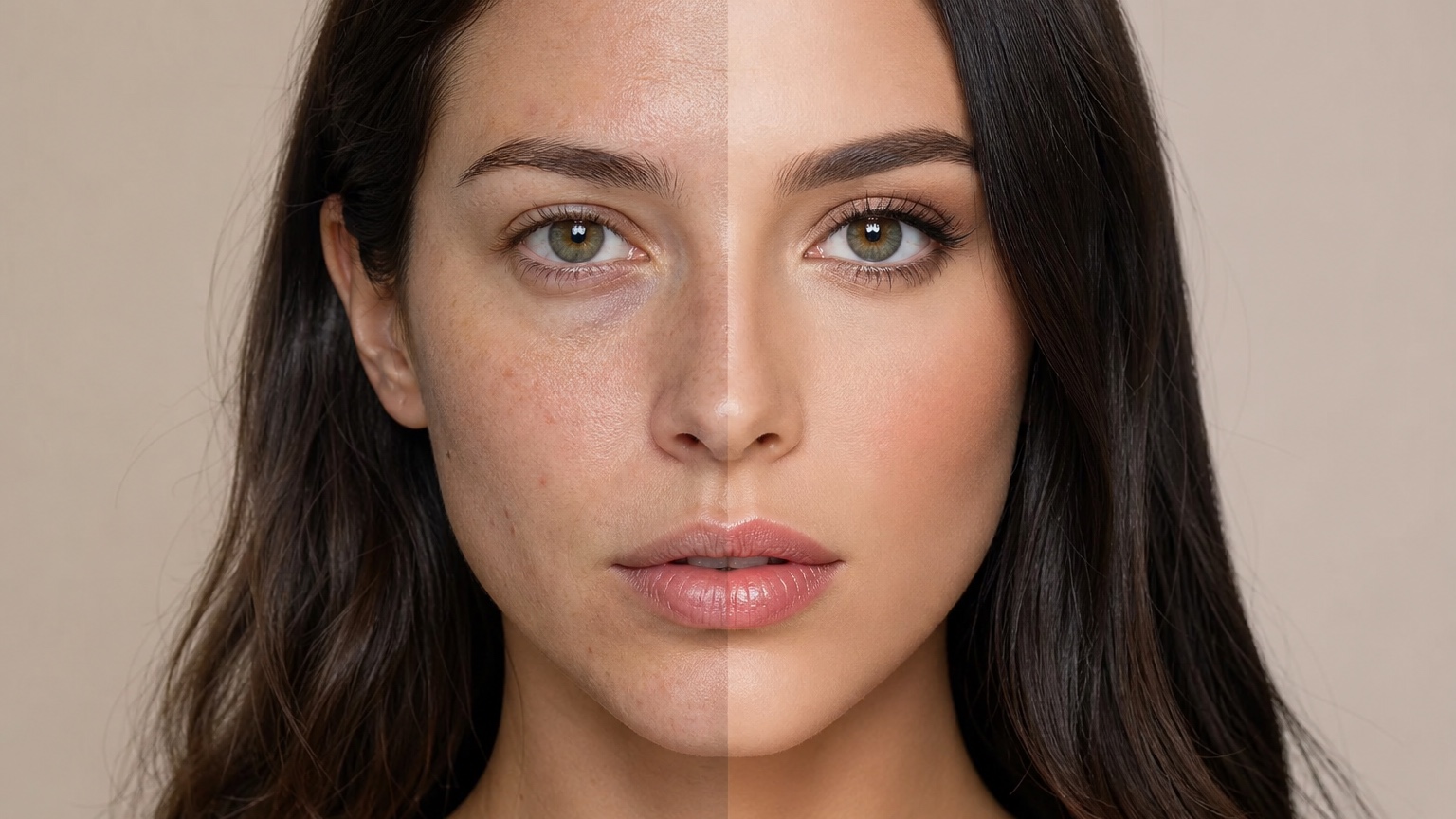
Where makeup filters can overpromise
A makeup filter becomes useful when it clarifies a beauty direction without making the person look like someone else. In the photo-polish realism frame, the first step is to write the real decision in plain language: how far a makeup filter can polish the image while keeping identity, skin texture, and platform trust intact. That single line keeps AI makeup filter from photo from becoming generic beauty decoration. For a filter workflow, preserve identity, crop, and light while RedesAIgn adjusts polish, complexion, brows, blush, and lip balance. The preview should answer a practical question for social users and creators turning an existing face photo into a planned beauty concept, not simply produce a prettier portrait.
A useful prompt for AI Makeup Filter From Photo: Create Realistic Beauty Look Concepts has source-photo details, desired makeup direction, and review criteria. Describe the source image, platform use, creator tone, skin texture, eye visibility, and what should remain natural before requesting polish. Then specify subtle skin evening, brow grooming, soft blush, realistic lip tint, and no identity change so the filter does not overreach. Add review terms tied to photo crop and skin texture so the result can be judged against the actual face instead of admired abstractly.
Review the filtered photo as a feed image first, then inspect the skin, eyes, and mouth close up. Watch for waxy skin, altered facial structure, strange catchlights, fake app-interface text, and makeup that conflicts with the original light direction. If the filter makes the person less recognizable, it is a brand-trust problem rather than an improvement. Use RedesAIgn generation history to compare whether a narrower revision protects camera lighting and brand or creator tone better.
Turning the polished preview into a practical next step
A useful prompt for AI Makeup Filter From Photo: Create Realistic Beauty Look Concepts has source-photo details, desired makeup direction, and review criteria. Describe the source image, platform use, creator tone, skin texture, eye visibility, and what should remain natural before requesting polish. Then specify subtle skin evening, brow grooming, soft blush, realistic lip tint, and no identity change so the filter does not overreach. Add review terms tied to photo crop and skin texture so the result can be judged against the actual face instead of admired abstractly.
Review the filtered photo as a feed image first, then inspect the skin, eyes, and mouth close up. Watch for waxy skin, altered facial structure, strange catchlights, fake app-interface text, and makeup that conflicts with the original light direction. If the filter makes the person less recognizable, it is a brand-trust problem rather than an improvement. Use RedesAIgn generation history to compare whether a narrower revision protects camera lighting and brand or creator tone better.
A photo-filter workflow should compare subtle, polished, and campaign-ready levels of editing. Make a barely edited version, a stronger beauty version, and a middle version, then judge which one still fits the channel. A shopper may care about buying fewer products. A makeup artist may care about consultation language. A creator should care whether followers still believe the face belongs to the same person in the original photo. A social user may save a retouching direction, while a creator may build a repeatable campaign style.
Start with a controlled RedesAIgn makeup test
Creators can use RedesAIgn to test polished makeup-filter directions quickly, then rely on saved prompts and history when a campaign needs consistent variations. Save the filter prompt with the source photo notes so future posts can repeat the same beauty style.
Related RedesAIgn guides: AI makeup try on, AI hairstyle generator, and AI clothes try on.
Try these prompts in redesAIgn
Preview a soft layered haircut on this photo while keeping the face shape natural.
Try a subtle color change that still looks realistic in daylight.
Show a polished hairstyle option for a special event without changing identity.
Related guides
- AI Eyeshadow Try-On: Test Eye Looks Before Buying Products
Try eyeshadow looks on your selfie with RedesAIgn. Compare soft, bold, and event color stories before buying palettes or booking makeup.
- AI Lipstick Try-On: Preview Lip Colors on Your Photo
Try lipstick shades on your selfie with RedesAIgn. Compare everyday nudes and bold colors before buying products or locking a makeup look.
- AI Makeup Before and After Generator for Beauty Ideas
Create makeup before-and-after previews with RedesAIgn for clients, content, or appointment planning without overpromising final results.
- AI Soft Glam Makeup Ideas From Your Face Photo
Preview soft glam makeup looks on your selfie with RedesAIgn. Compare polished options before buying products or booking beauty appointments.
- AI Bridal Makeup Try-On: Compare Wedding Looks Before the Trial
Use AI bridal makeup try on workflows in RedesAIgn to compare realistic makeup concepts, photo-based beauty references, and appointment-ready next steps.