AI Makeup Try-On: Preview Looks on Your Face Photo
Last updated: March 20, 2026.
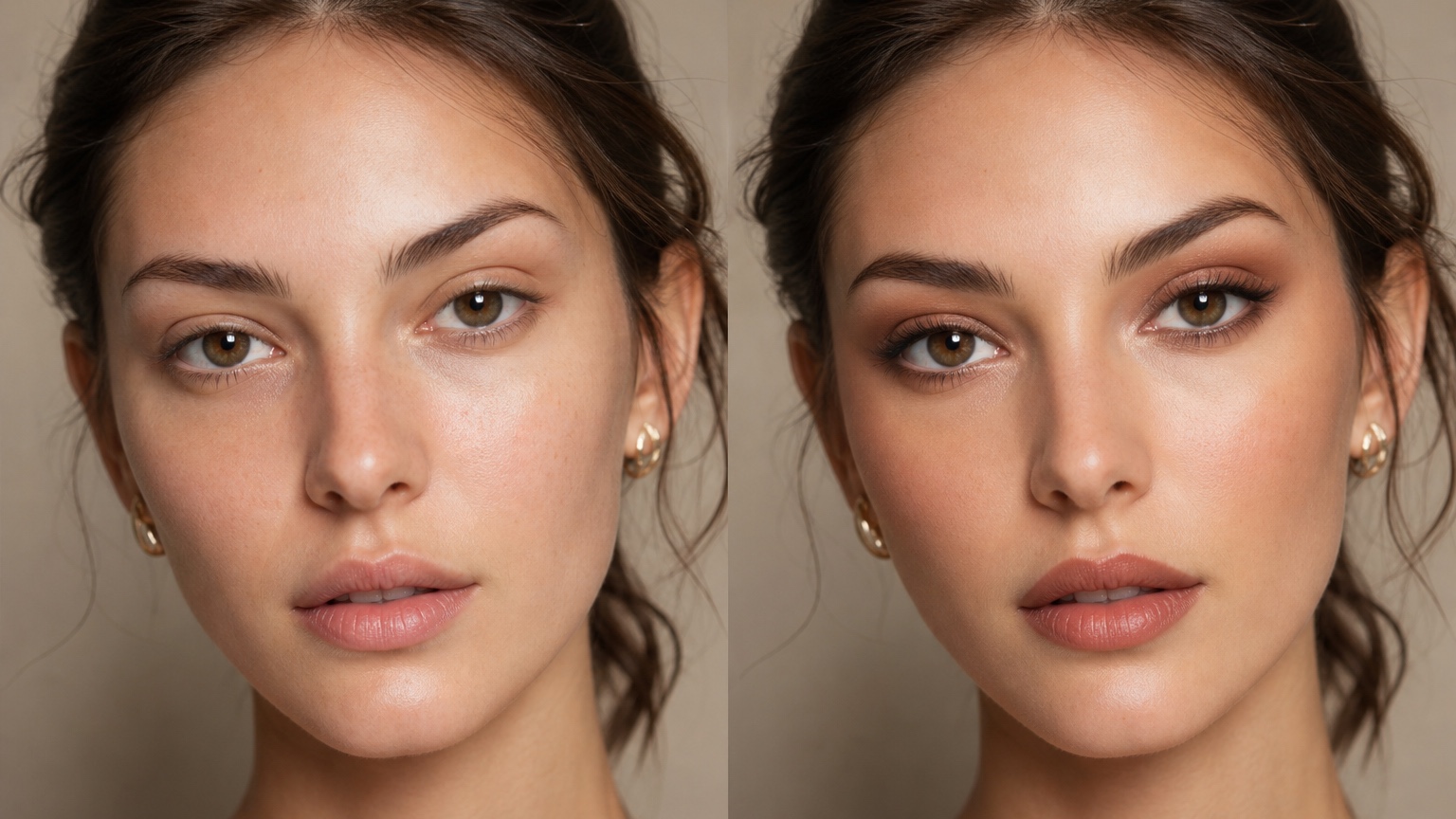
Ai Makeup Try On is valuable only when it helps consumers and MUAs comparing face-photo makeup options make a concrete beauty decision. This guide uses the shade-and-placement confidence check frame, which asks which lipstick, eye, blush, and complexion direction is worth buying, booking, or showing to an artist. For a try-on article, the routine stays intentionally narrow: preserve the face photo, compare a few controlled color placements, and leave with a reference that can guide a purchase or makeup-chair conversation.
RedesAIgn provides AI photo editing with a dedicated Makeup editor, reference/remix options, saved prompts, and a history trail for comparing face-photo iterations. For try-on work, treat the image as a visual shortlist rather than evidence that a specific formula will match skin, survive humidity, or blend the same way in person. Use the preview to arrive at the counter, cart, or appointment with fewer vague preferences.
What AI makeup try-on should decide
Makeup try-on is not useful because it creates a perfect selfie; it is useful because it reduces the gap between imagination and a real mirror decision. In the shade-and-placement confidence check frame, begin by writing the one decision the image must answer: which lipstick, eye, blush, and complexion direction is worth buying, booking, or showing to an artist. That line matters because AI makeup try on can become generic beauty decoration if the prompt does not separate fixed identity from test variables. Keep the face angle, expression, lighting direction, and recognizable features stable, then ask RedesAIgn to vary makeup choices tied to skin undertone and eye shape.
A useful prompt for AI Makeup Try-On: Preview Looks on Your Face Photo usually has three layers. Begin with the source photo: note whether the eyes are open, hair blocks the cheek, lighting is warm or cool, and the camera is close enough to judge lips and liner. Then describe the test makeup in buyer language: softer blush, clearer lip edge, warmer eyeshadow, less shine, or a bolder evening liner. Third, name review criteria around lip balance and daily lighting so the output can be judged instead of merely admired.
Judge the output once as a whole face and once close enough to inspect the eye and lip edges. For makeup try-on, reject warped pupils, smeared lipstick borders, mismatched lash angles, waxy skin, and cheek shadows that do not follow the original light. A pretty result that changes facial identity is less useful than a quieter result that still looks like the uploaded person. Check the RedesAIgn history view against the earlier prompt and revise one makeup variable at a time.
Preparing a face photo that keeps the preview believable
A useful prompt for AI Makeup Try-On: Preview Looks on Your Face Photo usually has three layers. Begin with the source photo: note whether the eyes are open, hair blocks the cheek, lighting is warm or cool, and the camera is close enough to judge lips and liner. Then describe the test makeup in buyer language: softer blush, clearer lip edge, warmer eyeshadow, less shine, or a bolder evening liner. Third, name review criteria around lip balance and daily lighting so the output can be judged instead of merely admired.
Judge the output once as a whole face and once close enough to inspect the eye and lip edges. For makeup try-on, reject warped pupils, smeared lipstick borders, mismatched lash angles, waxy skin, and cheek shadows that do not follow the original light. A pretty result that changes facial identity is less useful than a quieter result that still looks like the uploaded person. Check the RedesAIgn history view against the earlier prompt and revise one makeup variable at a time.
A good preview should keep the person recognizable while making the makeup variable clear enough to discuss. The right next step depends on the audience. The shopper version of the next step is a product list, a shade family, and one or two questions for a counter or retailer. The artist version is a note about placement, intensity, and which colors must be swatched on real skin. A creator can convert the try-on into a simple filming brief with crop, palette, and before-after beats. The try-on earns its place when it prevents a blind purchase or a vague appointment brief.
Testing color placement without changing identity
Judge the output once as a whole face and once close enough to inspect the eye and lip edges. For makeup try-on, reject warped pupils, smeared lipstick borders, mismatched lash angles, waxy skin, and cheek shadows that do not follow the original light. A pretty result that changes facial identity is less useful than a quieter result that still looks like the uploaded person. Check the RedesAIgn history view against the earlier prompt and revise one makeup variable at a time.
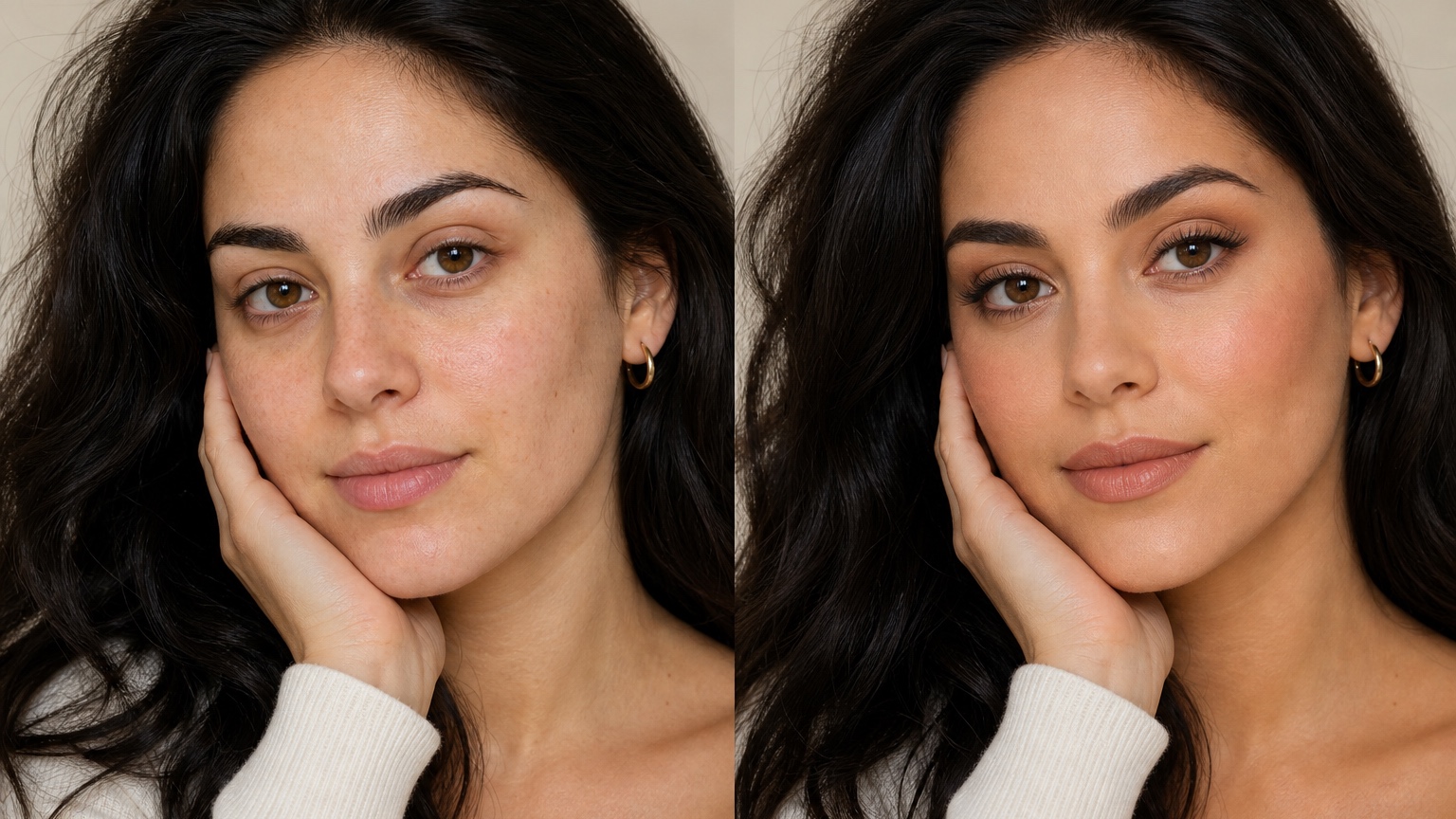
A good preview should keep the person recognizable while making the makeup variable clear enough to discuss. The right next step depends on the audience. The shopper version of the next step is a product list, a shade family, and one or two questions for a counter or retailer. The artist version is a note about placement, intensity, and which colors must be swatched on real skin. A creator can convert the try-on into a simple filming brief with crop, palette, and before-after beats. The try-on earns its place when it prevents a blind purchase or a vague appointment brief.
Makeup try-on is not useful because it creates a perfect selfie; it is useful because it reduces the gap between imagination and a real mirror decision. In the shade-and-placement confidence check frame, begin by writing the one decision the image must answer: which lipstick, eye, blush, and complexion direction is worth buying, booking, or showing to an artist. That line matters because AI makeup try on can become generic beauty decoration if the prompt does not separate fixed identity from test variables. Keep the face angle, expression, lighting direction, and recognizable features stable, then ask RedesAIgn to vary makeup choices tied to skin undertone and eye shape.
Reviewing skin texture, symmetry, and product realism
A good preview should keep the person recognizable while making the makeup variable clear enough to discuss. The right next step depends on the audience. The shopper version of the next step is a product list, a shade family, and one or two questions for a counter or retailer. The artist version is a note about placement, intensity, and which colors must be swatched on real skin. A creator can convert the try-on into a simple filming brief with crop, palette, and before-after beats. The try-on earns its place when it prevents a blind purchase or a vague appointment brief.
Makeup try-on is not useful because it creates a perfect selfie; it is useful because it reduces the gap between imagination and a real mirror decision. In the shade-and-placement confidence check frame, begin by writing the one decision the image must answer: which lipstick, eye, blush, and complexion direction is worth buying, booking, or showing to an artist. That line matters because AI makeup try on can become generic beauty decoration if the prompt does not separate fixed identity from test variables. Keep the face angle, expression, lighting direction, and recognizable features stable, then ask RedesAIgn to vary makeup choices tied to skin undertone and eye shape.
A useful prompt for AI Makeup Try-On: Preview Looks on Your Face Photo usually has three layers. Begin with the source photo: note whether the eyes are open, hair blocks the cheek, lighting is warm or cool, and the camera is close enough to judge lips and liner. Then describe the test makeup in buyer language: softer blush, clearer lip edge, warmer eyeshadow, less shine, or a bolder evening liner. Third, name review criteria around lip balance and daily lighting so the output can be judged instead of merely admired.
RedesAIgn workflow for makeup try-on comparisons
Makeup try-on is not useful because it creates a perfect selfie; it is useful because it reduces the gap between imagination and a real mirror decision. In the shade-and-placement confidence check frame, begin by writing the one decision the image must answer: which lipstick, eye, blush, and complexion direction is worth buying, booking, or showing to an artist. That line matters because AI makeup try on can become generic beauty decoration if the prompt does not separate fixed identity from test variables. Keep the face angle, expression, lighting direction, and recognizable features stable, then ask RedesAIgn to vary makeup choices tied to skin undertone and eye shape.
A useful prompt for AI Makeup Try-On: Preview Looks on Your Face Photo usually has three layers. Begin with the source photo: note whether the eyes are open, hair blocks the cheek, lighting is warm or cool, and the camera is close enough to judge lips and liner. Then describe the test makeup in buyer language: softer blush, clearer lip edge, warmer eyeshadow, less shine, or a bolder evening liner. Third, name review criteria around lip balance and daily lighting so the output can be judged instead of merely admired.
Judge the output once as a whole face and once close enough to inspect the eye and lip edges. For makeup try-on, reject warped pupils, smeared lipstick borders, mismatched lash angles, waxy skin, and cheek shadows that do not follow the original light. A pretty result that changes facial identity is less useful than a quieter result that still looks like the uploaded person. Check the RedesAIgn history view against the earlier prompt and revise one makeup variable at a time.
Where AI makeup previews can mislead
A useful prompt for AI Makeup Try-On: Preview Looks on Your Face Photo usually has three layers. Begin with the source photo: note whether the eyes are open, hair blocks the cheek, lighting is warm or cool, and the camera is close enough to judge lips and liner. Then describe the test makeup in buyer language: softer blush, clearer lip edge, warmer eyeshadow, less shine, or a bolder evening liner. Third, name review criteria around lip balance and daily lighting so the output can be judged instead of merely admired.
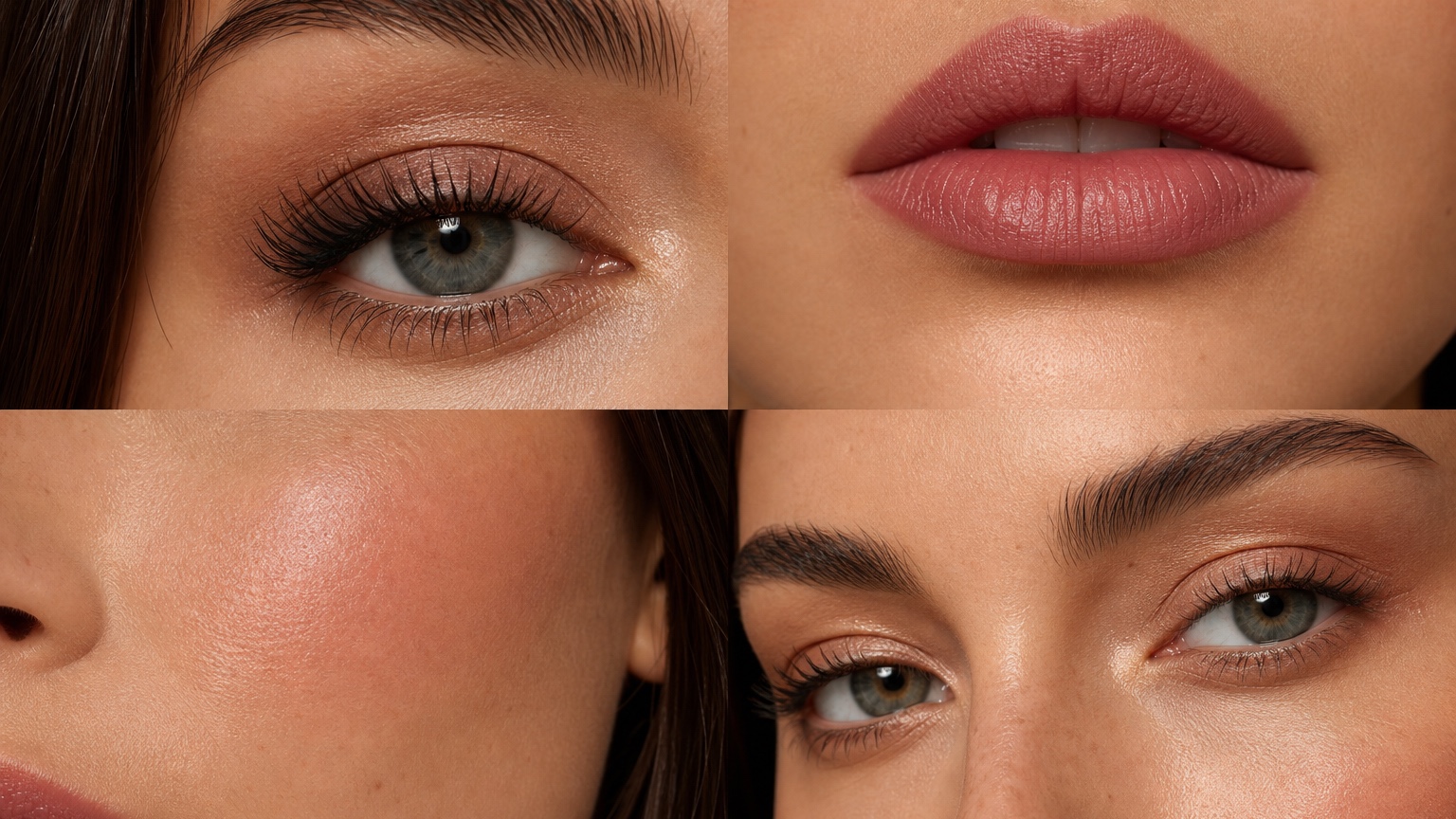
Judge the output once as a whole face and once close enough to inspect the eye and lip edges. For makeup try-on, reject warped pupils, smeared lipstick borders, mismatched lash angles, waxy skin, and cheek shadows that do not follow the original light. A pretty result that changes facial identity is less useful than a quieter result that still looks like the uploaded person. Check the RedesAIgn history view against the earlier prompt and revise one makeup variable at a time.
A good preview should keep the person recognizable while making the makeup variable clear enough to discuss. The right next step depends on the audience. The shopper version of the next step is a product list, a shade family, and one or two questions for a counter or retailer. The artist version is a note about placement, intensity, and which colors must be swatched on real skin. A creator can convert the try-on into a simple filming brief with crop, palette, and before-after beats. The try-on earns its place when it prevents a blind purchase or a vague appointment brief.
Turning the winning look into a real next step
Judge the output once as a whole face and once close enough to inspect the eye and lip edges. For makeup try-on, reject warped pupils, smeared lipstick borders, mismatched lash angles, waxy skin, and cheek shadows that do not follow the original light. A pretty result that changes facial identity is less useful than a quieter result that still looks like the uploaded person. Check the RedesAIgn history view against the earlier prompt and revise one makeup variable at a time.
A good preview should keep the person recognizable while making the makeup variable clear enough to discuss. The right next step depends on the audience. The shopper version of the next step is a product list, a shade family, and one or two questions for a counter or retailer. The artist version is a note about placement, intensity, and which colors must be swatched on real skin. A creator can convert the try-on into a simple filming brief with crop, palette, and before-after beats. The try-on earns its place when it prevents a blind purchase or a vague appointment brief.
Makeup try-on is not useful because it creates a perfect selfie; it is useful because it reduces the gap between imagination and a real mirror decision. In the shade-and-placement confidence check frame, begin by writing the one decision the image must answer: which lipstick, eye, blush, and complexion direction is worth buying, booking, or showing to an artist. That line matters because AI makeup try on can become generic beauty decoration if the prompt does not separate fixed identity from test variables. Keep the face angle, expression, lighting direction, and recognizable features stable, then ask RedesAIgn to vary makeup choices tied to skin undertone and eye shape.
Start with a low-risk RedesAIgn makeup pass
A user can start with RedesAIgn for 5 free AI credits and no credit card required, then bring the strongest makeup reference to a cart, vanity, or artist consultation. For larger try-on comparisons, RedesAIgn also offers one-time credit packs after the free start.
Related RedesAIgn guides: AI clothes try on, AI hairstyle generator, and AI fashion photoshoot.
Try these prompts in redesAIgn
Preview a soft layered haircut on this photo while keeping the face shape natural.
Try a subtle color change that still looks realistic in daylight.
Show a polished hairstyle option for a special event without changing identity.
Related guides
- AI Eyeshadow Try-On: Test Eye Looks Before Buying Products
Try eyeshadow looks on your selfie with RedesAIgn. Compare soft, bold, and event color stories before buying palettes or booking makeup.
- AI Lipstick Try-On: Preview Lip Colors on Your Photo
Try lipstick shades on your selfie with RedesAIgn. Compare everyday nudes and bold colors before buying products or locking a makeup look.
- AI Makeup Before and After Generator for Beauty Ideas
Create makeup before-and-after previews with RedesAIgn for clients, content, or appointment planning without overpromising final results.
- AI Makeup Filter From Photo: Create Realistic Beauty Look Concepts
Apply realistic makeup filters from your photo with RedesAIgn. Compare soft and glam looks before buying products or booking appointments.
- AI Soft Glam Makeup Ideas From Your Face Photo
Preview soft glam makeup looks on your selfie with RedesAIgn. Compare polished options before buying products or booking beauty appointments.