AI Hair Color Changer: Test Blonde, Brunette, Red, and Fantasy Colors
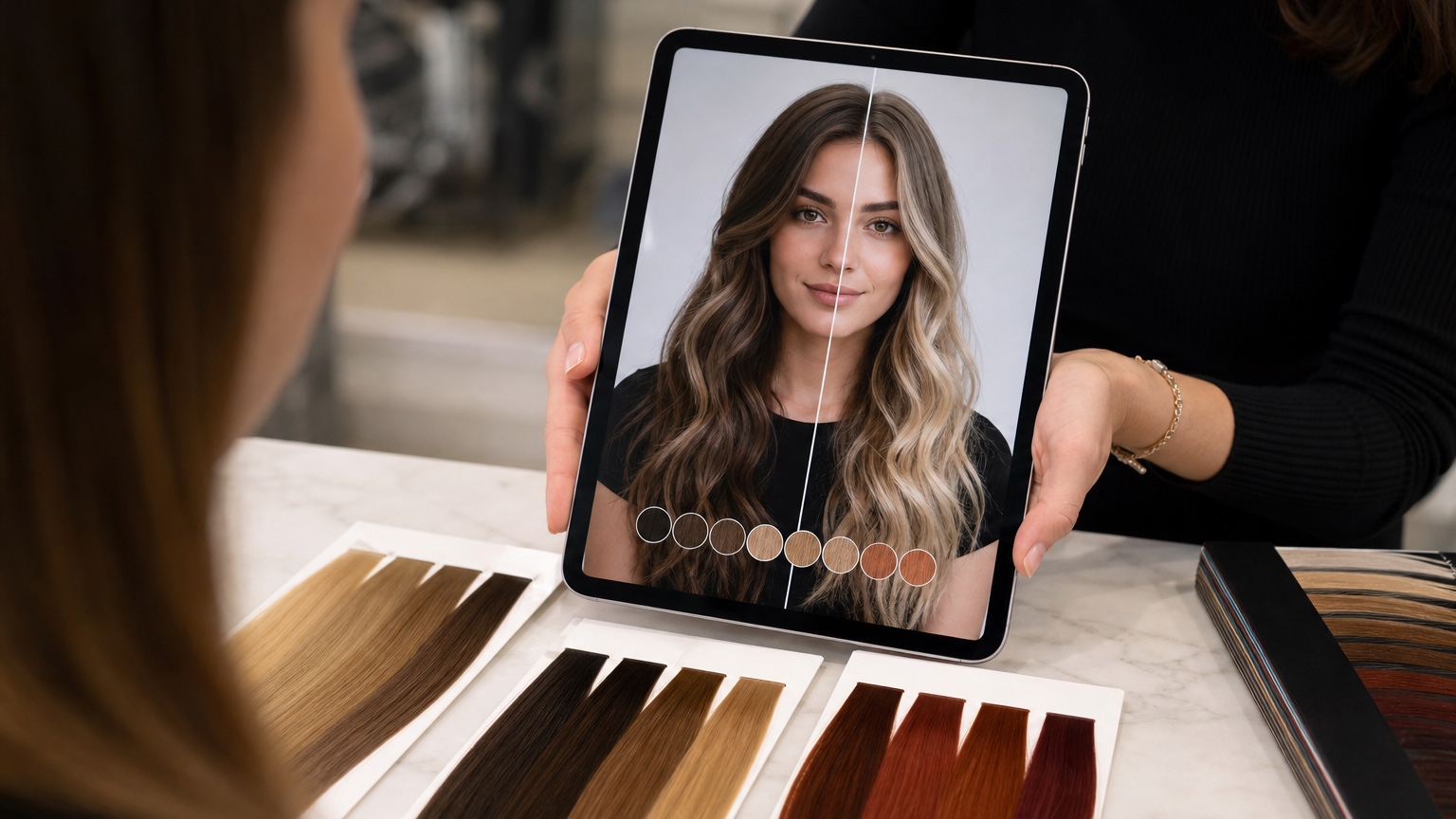
Hair color can look low stakes until the tone sits beside your skin every day for the next few weeks or months. An AI hair color changer search usually means someone is not looking for entertainment; they are trying to lower the chance of an expensive, awkward, or hard-to-reverse style decision.RedesAIgn helps by turning a real face and hair photo into controlled visual options, so the next step can be a clearer salon conversation instead of a vague screenshot collage, in the hair-color decision-board frame.
This guide uses a color decision board approach. Separate undertone, lightness, maintenance, and salon feasibility before choosing a shade.The goal is not to pretend an AI preview can replace a stylist, barber, colorist, or product test, in the hair-color decision-board frame.The goal is to make your preferences visible early, compare practical alternatives, and save the strongest reference before real cutting, coloring, styling, or shopping begins, in the hair-color decision-board frame.
Ai Hair Color Changer: the real decision this preview should support
For this topic, the useful decision is whether a proposed hair change fits the person, the context, and the maintenance they will actually accept.The preview should answer what changes, what stays recognizable, and what deserves professional review before action, in the hair-color decision-board frame.
RedesAIgn is useful here because it supports photo-based editing, prompt variations, remix or reference images, saved prompts, and generation history, in the hair-color decision-board frame.Those features let you compare several controlled versions instead of trusting one dramatic makeover image, in the hair-color decision-board frame.
Write down the decision before generating: appointment reference, color exploration, bangs confidence, haircut length, bridal styling direction, creator look, or salon consultation board, in the hair-color decision-board frame. A named decision keeps the AI hair color changer workflow practical.
Prepare the source photo before using a Ai Hair Color Changer
Start with a clear front-facing photo in natural light, then add a side or three-quarter view if the hair shape matters.Avoid heavy filters, hats, extreme shadows, wet hair, and mirror angles that distort face width or hair length, in the hair-color decision-board frame.
Keep the original identity stable.The face, skin tone, neck line, hairline, glasses, and usual styling habits should remain recognizable enough that the result can be compared honestly, in the hair-color decision-board frame.
If you use a reference image, make it specific.A useful reference shows length, fringe shape, curl pattern, color family, finish, or parting direction, in the hair-color decision-board frame. A vague celebrity collage usually creates generic output.
Use RedesAIgn to isolate one hair decision at a time
The fastest way to get a believable result is to change fewer variables.Test length without changing color, test color without changing the cut, or test bangs without also adding waves, makeup, and a new outfit, in the hair-color decision-board frame.
Create a short prompt that names the desired outcome, the hair constraint, and what should remain unchanged, in the hair-color decision-board frame.Then save the prompt so the next version can be a real revision rather than a fresh random attempt, in the hair-color decision-board frame.
Use RedesAIgn history to compare safe, moderate, and bold options side by side, in the hair-color decision-board frame.A stylist can react to three focused references more easily than one overproduced fantasy image, in the hair-color decision-board frame.
Color-specific checks for undertone and maintenance
Compare the shade under warm and cool lighting in the source photo when possible. Hair color decisions are easily distorted by room light, camera white balance, and surrounding clothing.
Separate color family from salon formulation. A preview can show copper, beige blonde, espresso, vivid red, or fantasy tone direction, but the formula depends on current hair history.
Score each option by maintenance: root visibility, toner schedule, fading risk, and whether the person is comfortable with the grow-out.
Compare the result like a salon consultation reference
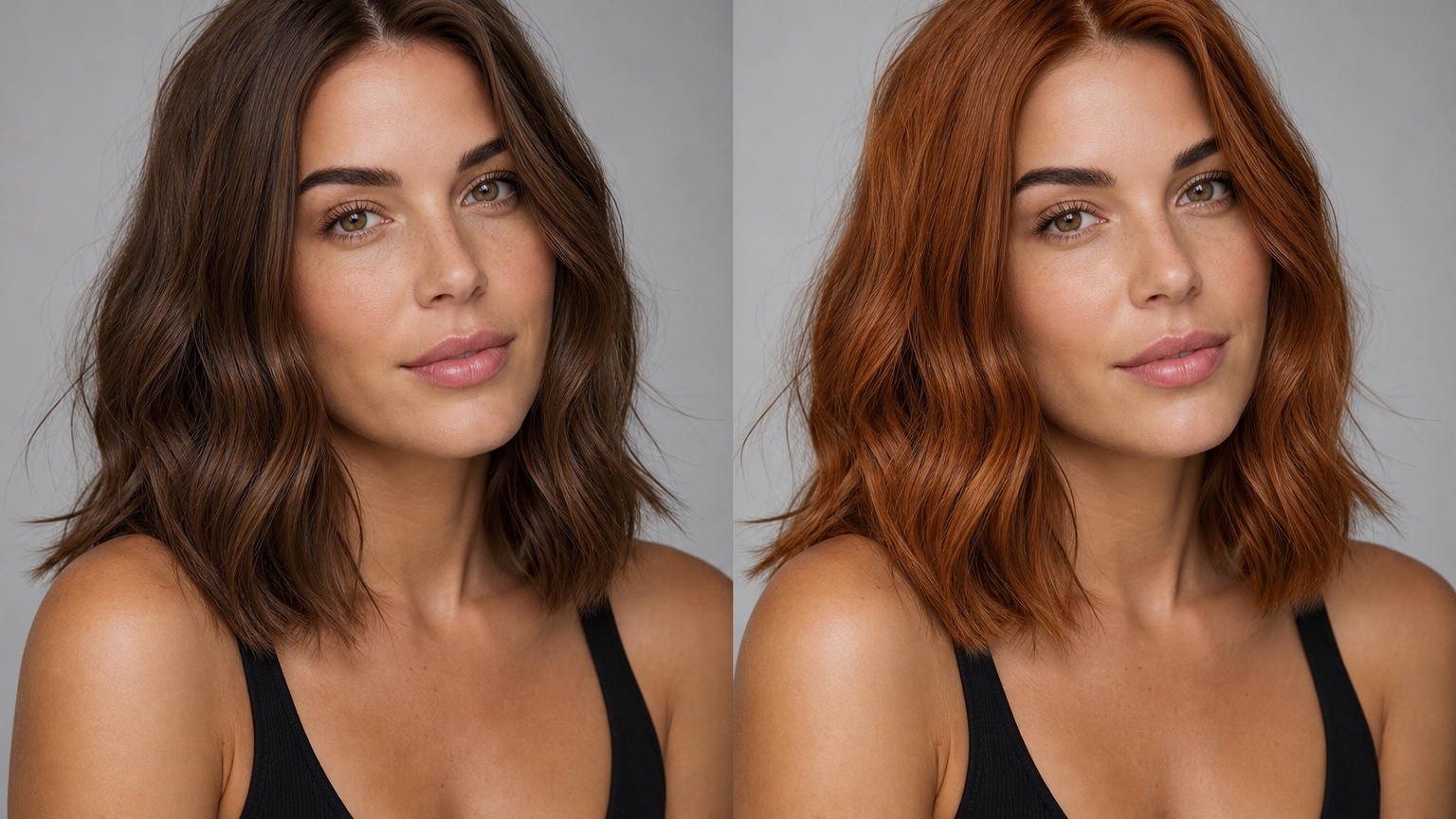
Look first at the hairline, edges around the ears, part, face framing, and the way the style meets the neck or shoulders.These details reveal whether the preview respects the source photo or simply pasted a style on top, in the hair-color decision-board frame.
Then judge lifestyle fit.Ask whether the look needs daily heat styling, frequent toning, monthly trims, heavy product, extensions, bleach, or a grow-out plan, in the hair-color decision-board frame.If the answer is unclear, mark it for a professional conversation, in the hair-color decision-board frame.
Finally, separate inspiration from instruction.A RedesAIgn image can clarify direction, but a licensed stylist or colorist still decides technique, formulation, hair health limits, and appointment sequencing, in the hair-color decision-board frame.
A prompt brief for stronger Ai Hair Color Changer results
For a color-change brief, use this structure: “Keep the person recognizable from the uploaded photo. Preview AI hair color changer with [specific hair change].Preserve face shape, skin tone, lighting direction, and natural hair texture, in the hair-color decision-board frame. Make the result realistic enough for a salon consultation.” Add constraints that matter to the person: low maintenance, professional workplace, curly texture, fine density, glasses, bridal schedule, color grow-out, conservative first change, or bold creator shoot, in the hair-color decision-board frame.
Avoid asking for a perfect transformation.Ask for a credible option, then generate a second version with one changed variable, in the hair-color decision-board frame. Controlled iteration is where an AI hair workflow becomes useful.
Mistakes that make Ai Hair Color Changer images misleading
The first mistake is uploading a photo that does not show the current hair honestly.If the starting point is unclear, the generated change will look impressive but will not guide a real appointment, in the hair-color decision-board frame.
The second mistake is accepting a flattering face change as a hair decision, in the hair-color decision-board frame.If the AI altered facial structure, skin texture, or identity, regenerate with stronger instructions to preserve the person, in the hair-color decision-board frame.
The third mistake is skipping feasibility.Hair health, prior color, curl shrinkage, cowlicks, density, and grow-out can make two visually similar options very different in real life, in the hair-color decision-board frame.
When a Ai Hair Color Changer preview is enough, and when to ask a pro
A hair color preview is enough when it narrows shade families, compares warmth against coolness, and decides whether subtle or bold color makes sense.
Bring in a professional when the decision involves bleach, corrective color, extensions, chemical straightening, dramatic length removal, wedding timing, or any hair-health concern, in the hair-color decision-board frame.
The best workflow is collaborative: use RedesAIgn to make the desired direction visible, then let the stylist translate that direction into technique, timing, and maintenance, in the hair-color decision-board frame.
Turn the final preview into a practical next step
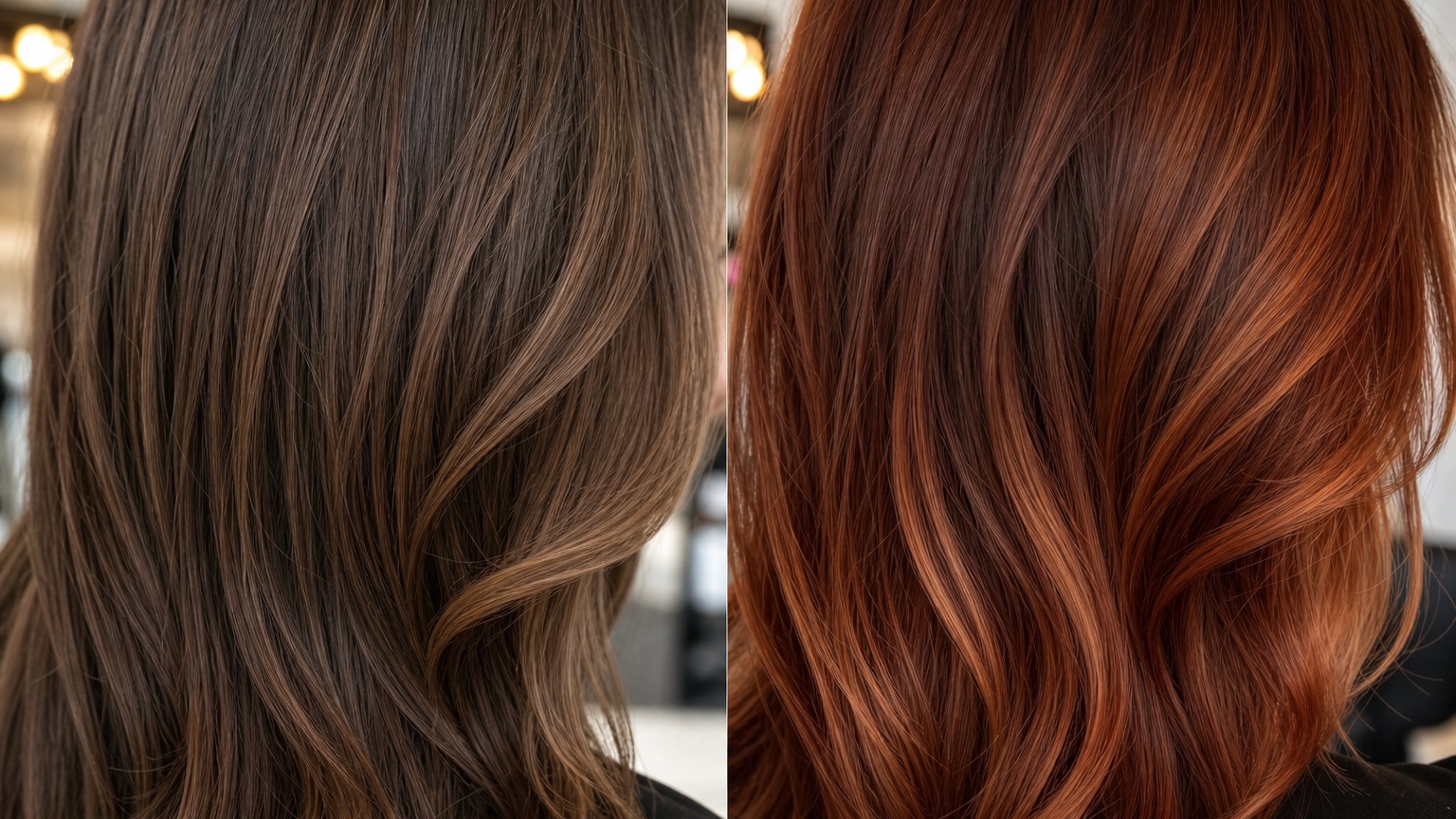
Save the strongest version, the rejected version, and the prompt that produced each one.The rejected image is useful because it shows what you do not want, which often prevents miscommunication, in the hair-color decision-board frame.
Create a short note under the image: preferred length, color family, styling finish, maintenance tolerance, and concerns to ask about, in the hair-color decision-board frame. That note makes the picture actionable.
If the preview supports a purchase or booking decision, start with the free RedesAIgn credits, in the hair-color decision-board frame.RedesAIgn offers 5 free AI credits with no credit card required, and paid credit packs are one-time purchases when you need more variations, in the hair-color decision-board frame.
Color proofing notes to save with each preview
Record the current color history beside the image, including boxed dye, bleach, highlights, gray coverage, vivid color, or recent gloss. A colorist needs that history to judge whether the preview is realistic.
Compare the preview against clothing and skin undertone, not just the hair itself. A shade that looks exciting in isolation may clash with the person’s normal wardrobe or makeup.
Save a low-commitment version of the same color family. A gloss, money piece, subtle brunette shift, or softer copper may be the smarter first appointment than the boldest image.
RedesAIgn fits this stage because it lets you test visual ideas before committing money, time, or public content, in the hair-color decision-board frame.Start with the free credits, keep prompts saved, and only buy more one-time credits when the comparison is helping a real decision, in the hair-color decision-board frame.
The strongest final asset is not just a pretty image.It is a small decision packet: original photo, selected preview, rejected preview, prompt, maintenance notes, and questions for the person who will execute the style, in the hair-color decision-board frame.
That packet can support a salon booking, a personal style discussion, a bridal trial, a creator shoot, or a cautious first experiment at home, in the hair-color decision-board frame. It turns the AI output into communication instead of decoration.
Final realism pass before you trust the preview
For a hair color changer, keep the final note practical. Mention whether the person wants subtle brightness, gray blending, a dramatic identity shift, fantasy color, or a correction from an existing shade. The preview should help a colorist understand direction, but it should not hide the chemistry, strand tests, or staged appointments that may be needed.Keep the RedesAIgn generation history and saved prompts with the final image so the next revision can be deliberate, in the hair-color decision-board frame.If a consultation changes direction, return to the saved prompt, adjust one variable, and compare again instead of starting from scratch, in the hair-color decision-board frame.That discipline is what makes photo-based AI useful for real style decisions, in the hair-color decision-board frame.
FAQ
How should I use an AI hair color changer result before an appointment?
Use it as a reference and decision aid, not as a guarantee, in the hair-color decision-board frame.Save the image, prompt, and notes about maintenance, then ask a stylist or colorist what is realistic for your hair history, in the hair-color decision-board frame.
Can RedesAIgn replace a stylist for AI hair color changer?
No.RedesAIgn can help you preview directions from a photo, compare versions, and communicate more clearly, in the hair-color decision-board frame.The real cut, color, formulation, and technique still require professional judgment when stakes are high, in the hair-color decision-board frame.
What product claims are safe to rely on?
RedesAIgn provides specialized AI editors, prompt and remix workflows, saved prompts, generation history, 5 free AI credits with no credit card required, commercial use when relevant, and one-time paid credit packs for additional images, in the hair-color decision-board frame.
Try these prompts in redesAIgn
Preview a soft layered haircut on this photo while keeping the face shape natural.
Try a subtle color change that still looks realistic in daylight.
Show a polished hairstyle option for a special event without changing identity.
Related guides
- AI Eyeshadow Try-On: Test Eye Looks Before Buying Products
Try eyeshadow looks on your selfie with RedesAIgn. Compare soft, bold, and event color stories before buying palettes or booking makeup.
- AI Lipstick Try-On: Preview Lip Colors on Your Photo
Try lipstick shades on your selfie with RedesAIgn. Compare everyday nudes and bold colors before buying products or locking a makeup look.
- AI Makeup Before and After Generator for Beauty Ideas
Create makeup before-and-after previews with RedesAIgn for clients, content, or appointment planning without overpromising final results.
- AI Makeup Filter From Photo: Create Realistic Beauty Look Concepts
Apply realistic makeup filters from your photo with RedesAIgn. Compare soft and glam looks before buying products or booking appointments.
- AI Soft Glam Makeup Ideas From Your Face Photo
Preview soft glam makeup looks on your selfie with RedesAIgn. Compare polished options before buying products or booking beauty appointments.