AI Car Paint Visualizer: Test Color and Finish Before the Body Shop Quote
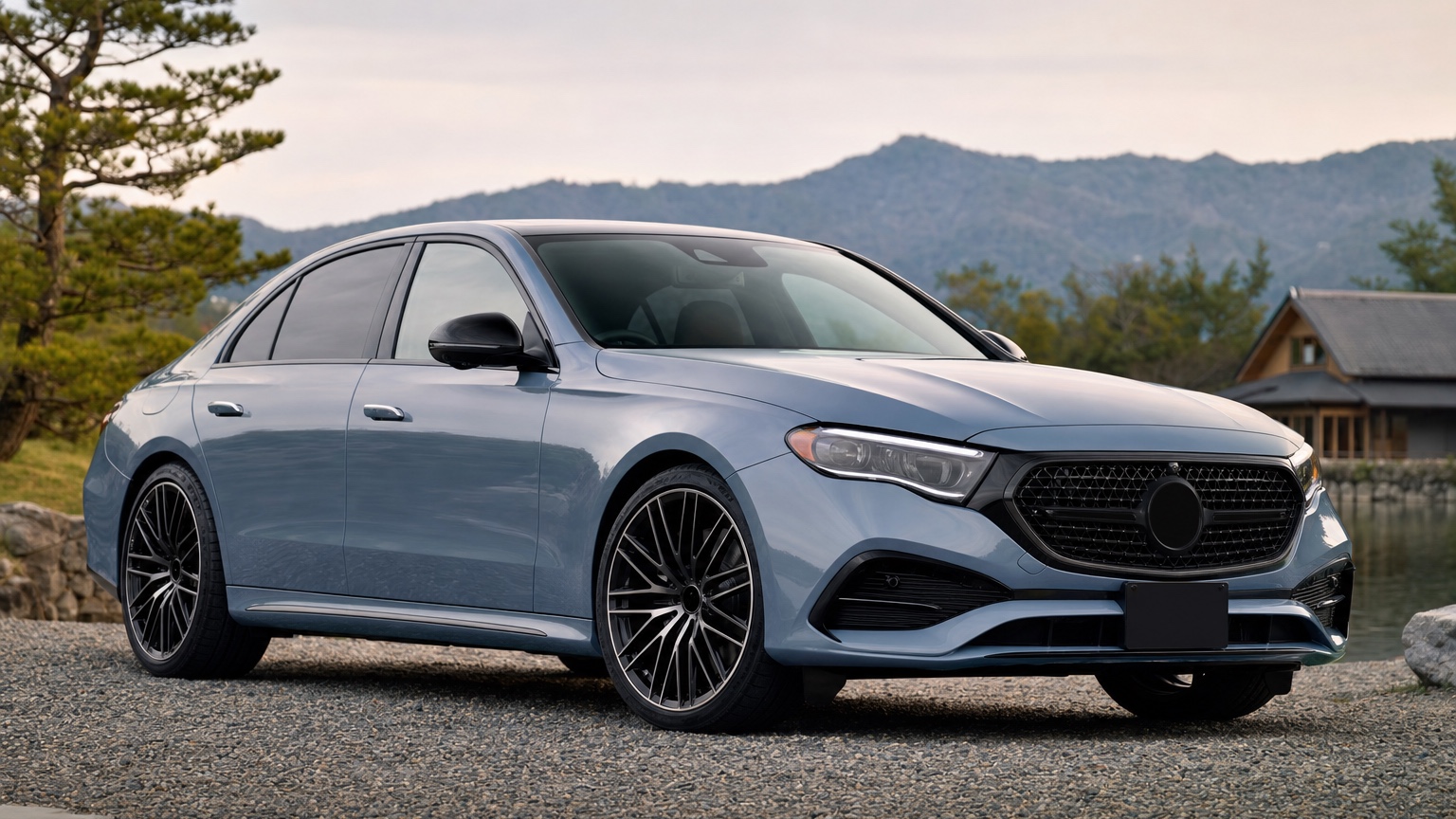
Why AI car paint visualizer is a decision tool, not just a car image effect
Most people search for AI car paint visualizer because a vehicle decision is about to become expensive. Paint decisions carry prep, material, labor, booth time, and long-term maintenance costs, so a color choice deserves visual testing before the estimate feels locked.
The narrative frame for this workflow is a color decision where lighting, undertones, finish, and resale risk matter as much as the first attractive render. For paint work, the image must respect finish expectations, lighting, trim contrast, painter capability, budget, and how the car will look away from the perfect render.
For body shops, restorers, and enthusiasts, AI Car Paint Visualizer: Test Color and Finish Before the Body Shop Quote is valuable only when it makes the next vehicle decision less vague. The practical goal is to test paint colors and finishes before buying samples, scheduling labor, or committing to a full repaint. Picture a restoration owner deciding between factory-correct blue, a modern deep green, and a bolder pearl finish while the painter is thinking about prep, lighting, trim contrast, and how much the customer expects the final result to match the preview. The preview should help the owner pick which color family deserves a sample card, shop question, or more conservative second look.
Input checklist for a believable AI car paint visualizer result
Start with a clean vehicle photo. For paint color, a three-quarter photo often shows reflections best, while a side view helps judge broad body panels and a front view reveals how the finish works with lights, grille, and trim.
Tell the prompt to keep the vehicle shape, trim, glass, wheels, and body details stable so the paint decision is not confused by unrelated styling changes. Stable vehicle details make the color comparison honest.
Mention the intended use. Factory restoration, resale-friendly repaint, show-car pearl, and daily-driver refresh should each be prompted with different finish expectations. Context helps the image feel plausible.
Paint previews must be judged under believable lighting
A color can look perfect in an AI image because the scene lighting is flattering. Review whether reflections, shadows, trim contrast, wheels, glass, and background make the finish believable. If the output looks like a studio fantasy while the real car will live outside, generate a more ordinary lighting version before making a choice.
View the image as a color conversation starter, not a guarantee of booth results. If the preview wins because reflections are impossible or body lines disappear, request more ordinary lighting before judging the paint.
Generation history makes paint comparisons easier because undertone, gloss level, and wheel contrast can be adjusted one step at a time. Instead of starting over, keep the language that worked and adjust the single variable that matters for this AI car paint visualizer decision.
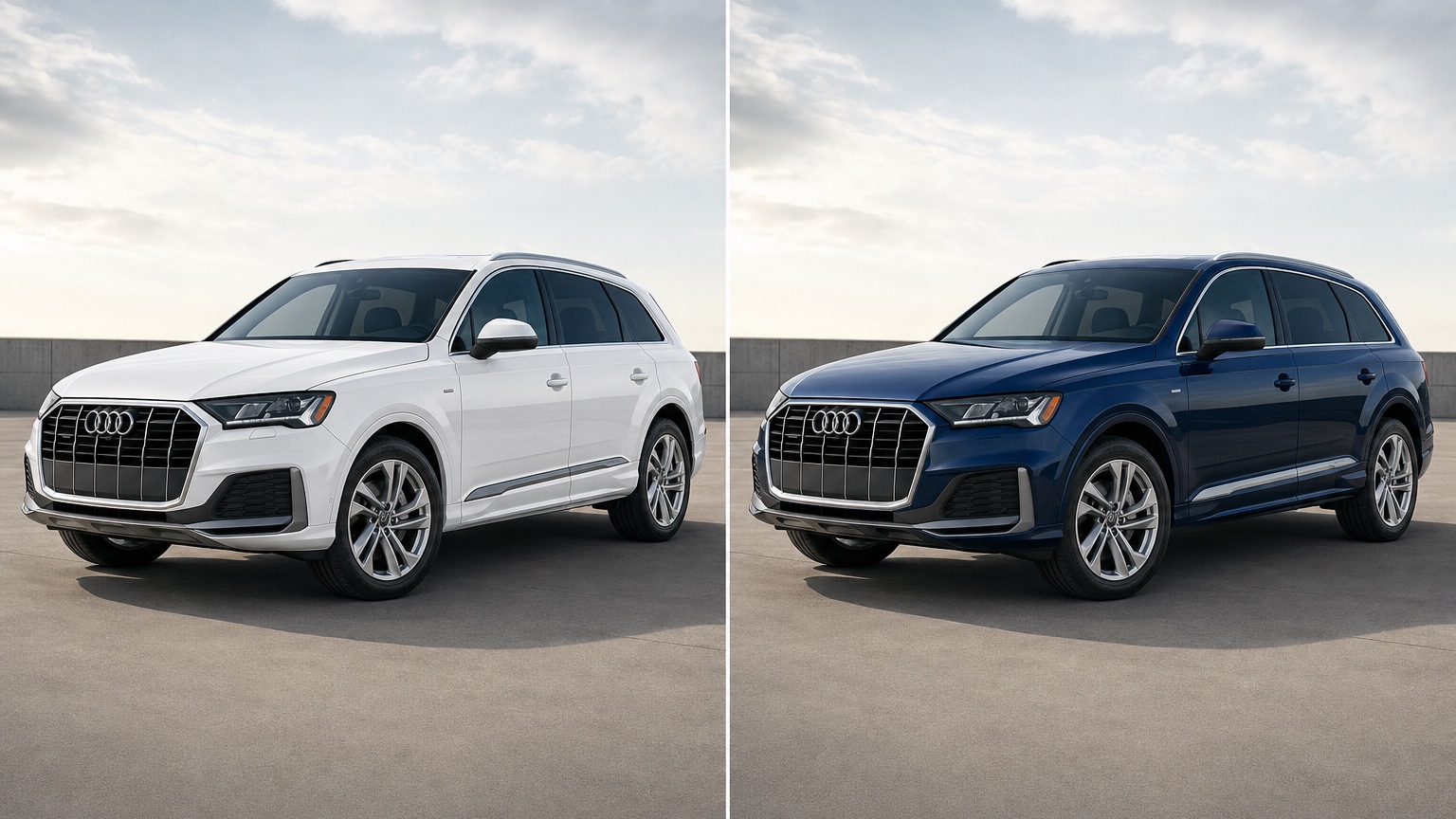
Finish language changes the decision
Gloss, satin, matte, metallic, pearl, candy, flake, and factory-style paint all communicate different cost and maintenance expectations. The prompt should name the finish clearly. A body shop conversation about deep gloss black is different from one about matte black, even when both look dark in a small thumbnail.
View the image as a color conversation starter, not a guarantee of booth results. If the preview wins because reflections are impossible or body lines disappear, request more ordinary lighting before judging the paint.
Generation history makes paint comparisons easier because undertone, gloss level, and wheel contrast can be adjusted one step at a time. Instead of starting over, keep the language that worked and adjust the single variable that matters for this AI car paint visualizer decision.
Compare safe, modern, and bold options
A useful paint visualizer workflow includes at least three directions: a safe color close to factory logic, a modern but resale-aware update, and a bold option that reveals whether the owner truly wants attention. The bold version may not win, but it helps define the emotional ceiling of the project.
View the image as a color conversation starter, not a guarantee of booth results. If the preview wins because reflections are impossible or body lines disappear, request more ordinary lighting before judging the paint.
Generation history makes paint comparisons easier because undertone, gloss level, and wheel contrast can be adjusted one step at a time. Instead of starting over, keep the language that worked and adjust the single variable that matters for this AI car paint visualizer decision.
Prompt brief for stronger AI car paint visualizer images
Begin with the subject and outcome: create a realistic vehicle customization concept from the uploaded photo for body shops, restorers, and enthusiasts who need to test paint colors and finishes before buying samples, scheduling labor, or committing to a full repaint. Then name the color family, finish type, undertone, gloss level, trim contrast, and whether the image should feel factory, custom, luxury, or show-oriented.
Include practical guardrails: keep the original vehicle recognizable, no text labels, no people, no watermarks, realistic reflections, believable materials, clean background, and no impossible wheel or body proportions for the paint-color brief. These guardrails reduce generic AI gloss.
Generate controlled variations. For paint, generate a factory-adjacent shade, a modern upgrade, and a brave finish that tests whether the owner truly wants attention. Each color route should be explainable by finish, maintenance expectation, and how it changes the car's character.
How to review an AI car paint visualizer output before acting on it
Check proportion first. Wheels, fenders, ride height, bumpers, spoilers, paint surfaces, graphics, and lighting should still make sense on the actual car for the paint-color brief. If the image wins only because it quietly changed the vehicle shape, it is not reliable enough for planning for the paint-color brief.
Check material and installation reality next. Vinyl wraps have seams and panel behavior; paint has prep and finish limits; wheels need size and offset; body work needs fabrication; commercial graphics need production art for the paint-color brief. The concept should lead to better questions, not skip the real work for the paint-color brief.
Finally, ask whether the image helped body shops, restorers, and enthusiasts test paint colors and finishes before buying samples, scheduling labor, or committing to a full repaint. If it did, save it with notes. If it only looked cool, narrow the next prompt around the actual decision that remains unresolved for the paint-color brief.
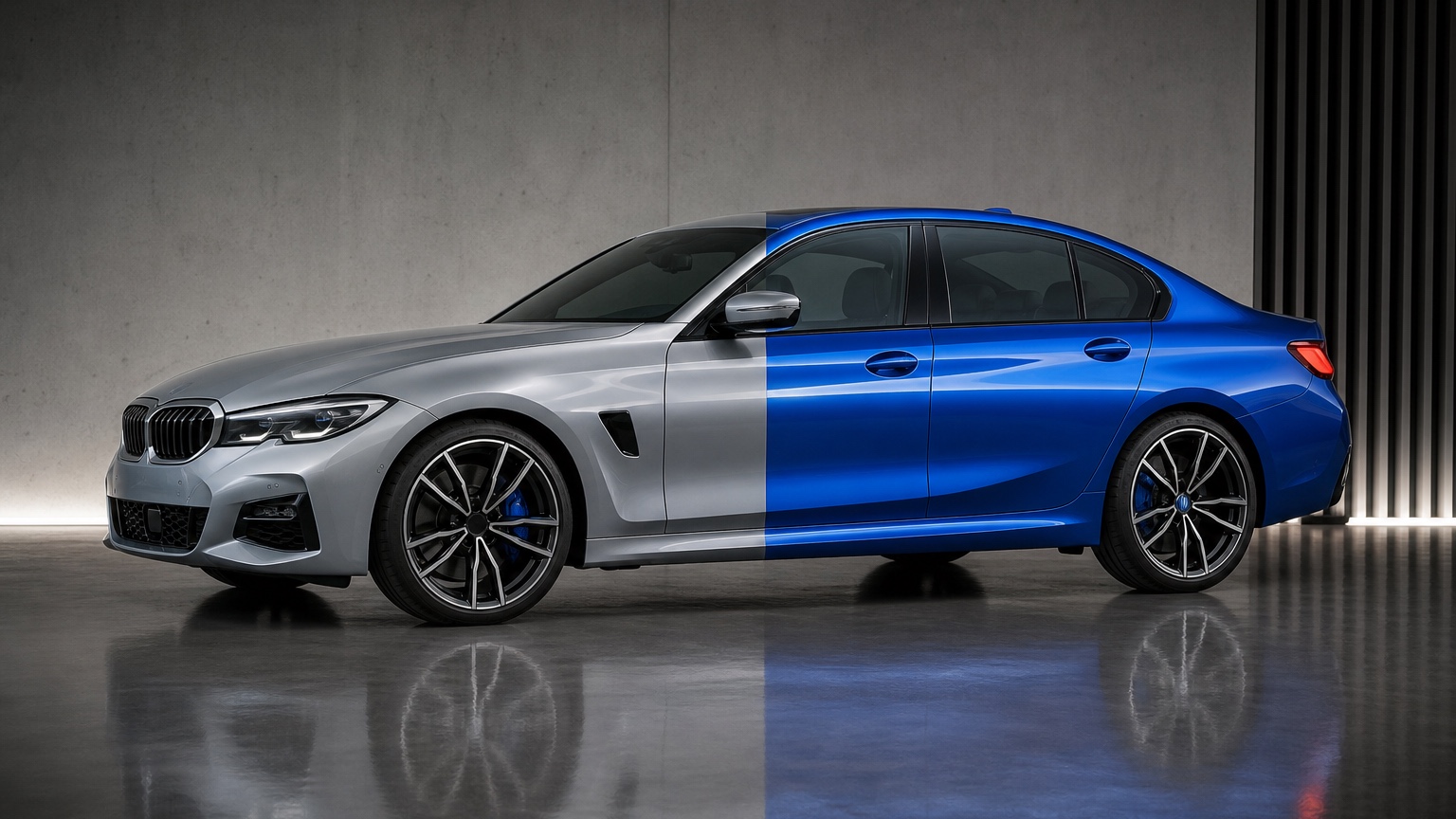
Where RedesAIgn fits in the vehicle customization workflow
RedesAIgn is an AI photo/image editing web app with specialized AI editors, prompt-driven editing, remix/reference image workflows, saved prompts, and generation history for the paint-color brief. For vehicle work, that means one real car photo can become several organized concept directions for the paint-color brief.
RedesAIgn helps you compare paint directions before the expensive part starts. Upload a clear vehicle photo, use the Vehicle / Auto Design editor for narrow color tests, keep the prompt language that matches the desired finish, and only move from concept to body-shop planning after the image survives a realism check.
The product lets users start with 5 free AI credits and no credit card required for the paint-color brief. One-time credit packs are available when a project needs more exploration, and commercial use is allowed, which matters for shops, dealers, agencies, and small businesses preparing client-facing visuals for the paint-color brief.
Common mistakes with AI car paint visualizer workflows
The first mistake is asking for every idea at once. A prompt that combines new paint, wheels, widebody, wrap graphics, lowered suspension, lighting, background, and mood often produces an impressive image but a weak decision aid for the paint-color brief.
The second mistake is skipping the original-photo comparison. Always keep the source image nearby so viewers understand what changed and what the AI may have invented for the paint-color brief. This is especially important when the output will be shown to a paying customer for the paint-color brief.
The third mistake is confusing style approval with technical approval for the paint-color brief. A customer can approve a look, but a shop still needs to confirm material availability, labor, fitment, dimensions, regulations, and cost before the job becomes real for the paint-color brief.
Decision scorecard for body shops, restorers, and enthusiasts
Score each concept from one to five on style fit, realism, install complexity, budget risk, resale or brand risk, and clarity for the next conversation. A simple scorecard prevents the loudest visual from winning by default for the paint-color brief.
For AI car paint visualizer, the best output is the one that makes the next step obvious: request a quote, order samples, ask about fitment, prepare production art, compare another direction, or eliminate the idea before it costs money.
Archive rejected options too. They often explain why the project stayed subtle, why a color was avoided, why a wheel style was too aggressive, or why a commercial wrap needed simpler branding for the paint-color brief. That record is useful when the same question comes back later for the paint-color brief.
FAQ
Can AI car paint visualizer replace a shop estimate?
No. It can create a useful visual concept, but final pricing, materials, fitment, installation, safety, warranty, and legal details still need the right professional or supplier for the paint-color brief.
What photo should I upload first?
Use a clean, well-lit side or three-quarter image where the body lines, wheels, paint, and trim are visible for the paint-color brief. Avoid cluttered angles if the goal is a practical comparison for the paint-color brief.
Try these prompts in redesAIgn
Restyle this car with a clean modern paint finish and subtle contrast accents.
Show a before-and-after concept with updated wheels and exterior color.
Keep the body lines, but visualize a premium trim and lighting package.
Related guides
- AI Auto Detailing Before After: Build Visual Sales Hooks Without Overpromising
Turn ordinary vehicle photos into polished before/after detailing concepts with RedesAIgn—without overpromising results you cannot deliver in the shop.
- AI Car Before and After: Create Transformation Concepts From One Photo
Create believable vehicle before-and-after concepts from one photo with RedesAIgn—useful before detailing, cosmetic upgrades, or shop proposals.
- AI Car Color Changer: Preview Paint and Wrap Decisions Before the Shop Quote
Preview car paint and wrap colors on a real photo with RedesAIgn. Compare finishes, trim contrast, and wheel pairing before the shop quote.
- AI Off Road Vehicle Design: Test Lifts, Tires, Armor, and Trail Style Visually
Test off-road vehicle style visually with RedesAIgn. Compare lift height, tires, armor, racks, lighting, and recovery-gear concepts on your photo.
- AI Car Modification Visualizer: Compare Mods Before Purchase and Installation
Compare visible car modifications in RedesAIgn before buying parts, booking labor, or presenting options. Keep the real vehicle shape recognizable.