AI Natural Makeup Look Ideas From Your Photo
Last updated: March 20, 2026.
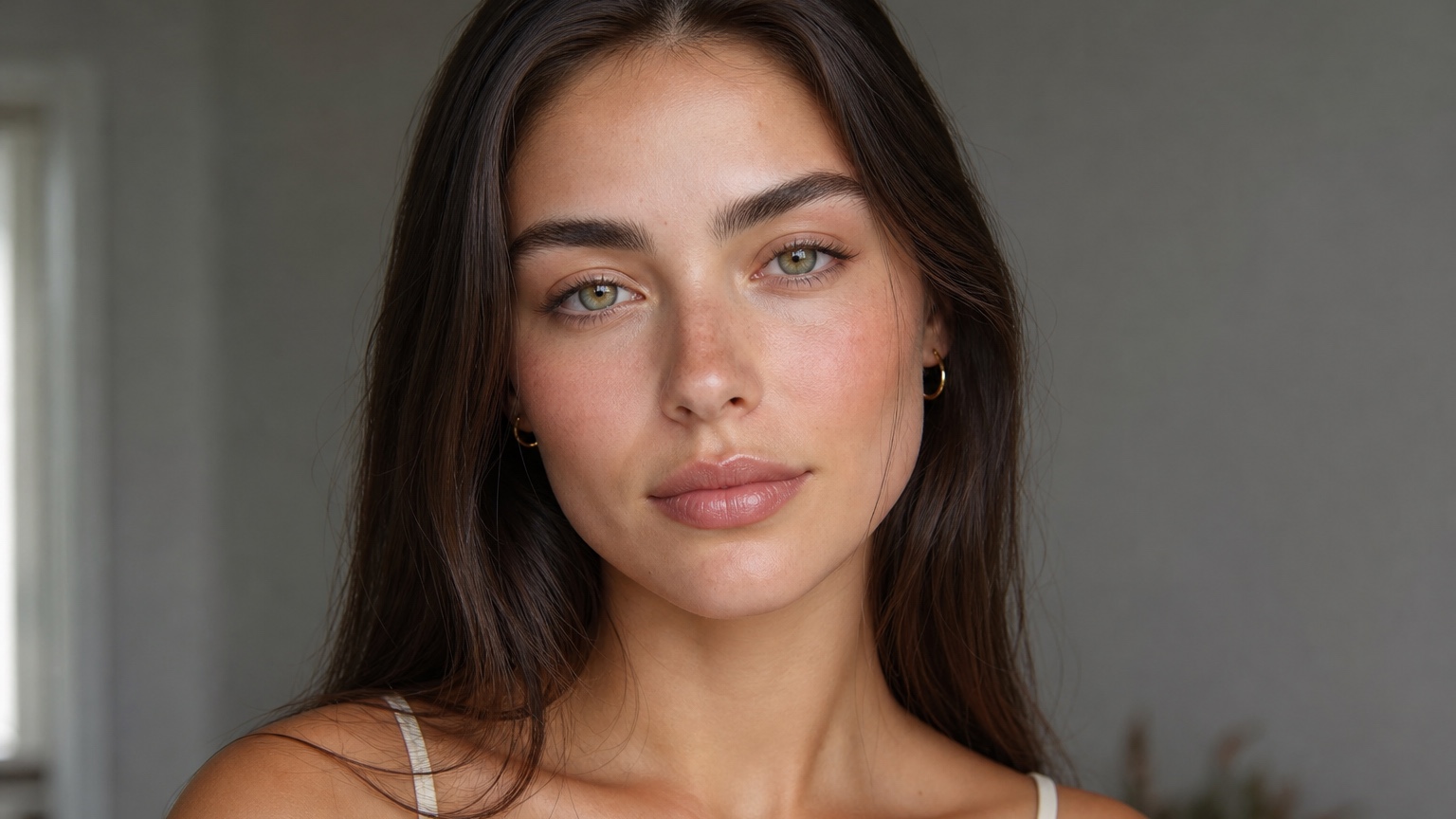
Ai Natural Makeup Look is valuable only when it helps consumers and beauty pros choosing understated makeup make a concrete beauty decision. This guide uses the subtle everyday realism test frame, which asks whether the look reads polished, realistic, and wearable rather than filtered or overdone. For natural makeup, keep the pass restrained: upload a clear face photo, test subtle complexion and color shifts, and choose the version that feels believable in daylight.
RedesAIgn includes a Makeup editor with prompt-based editing, reference/remix support, saved prompts, and generation history for controlled subtle-look comparisons. A subtle preview can show direction, but it cannot prove how foundation oxidizes, how blush sits on texture, or whether a product feels comfortable all day. Use it to define what “natural” means before buying products or asking an artist for a barely-there look.
What a natural makeup AI preview should protect
Natural makeup is easy to overdo in AI because the system may chase visible transformation even when the brief asks for restraint. In the subtle everyday realism test frame, begin by writing the one decision the image must answer: whether the look reads polished, realistic, and wearable rather than filtered or overdone. That line matters because AI natural makeup look can become generic beauty decoration if the prompt does not separate fixed identity from test variables. Keep the face angle, expression, lighting direction, and recognizable features stable, then ask RedesAIgn to vary makeup choices tied to natural skin texture and blush placement.
A useful prompt for AI Natural Makeup Look Ideas From Your Photo usually has three layers. Name the original conditions carefully: natural light or indoor light, visible brows, skin texture, lip color, and any shadows that should remain. For the desired result, use quiet terms such as evened complexion, feathered brow, soft taupe lid, muted rose cheek, and hydrated neutral lip. Third, name review criteria around brow softness and office or daylight setting so the output can be judged instead of merely admired.
For natural makeup, compare the before and after quickly first; if the change shouts, it may not be natural. Inspect especially for waxy skin, vanished pores, overdrawn lips, mismatched brow thickness, or blush that floats instead of following cheek structure. An understated look that preserves personality is more useful than a polished image that erases the face. Use history to step back from overcorrection and return to the most wearable version.
Choosing references for a subtle face-specific result
A useful prompt for AI Natural Makeup Look Ideas From Your Photo usually has three layers. Name the original conditions carefully: natural light or indoor light, visible brows, skin texture, lip color, and any shadows that should remain. For the desired result, use quiet terms such as evened complexion, feathered brow, soft taupe lid, muted rose cheek, and hydrated neutral lip. Third, name review criteria around brow softness and office or daylight setting so the output can be judged instead of merely admired.
For natural makeup, compare the before and after quickly first; if the change shouts, it may not be natural. Inspect especially for waxy skin, vanished pores, overdrawn lips, mismatched brow thickness, or blush that floats instead of following cheek structure. An understated look that preserves personality is more useful than a polished image that erases the face. Use history to step back from overcorrection and return to the most wearable version.
The strongest natural preview is often the one that looks almost boring until you compare the before photo. The right next step depends on the audience. A consumer can turn the preview into two or three product categories rather than a full new makeup bag. A beauty pro can use it to ask whether the client wants skin tint, spot concealing, brow shaping, or more visible blush. A creator can use the subtle preview as a guide for close, honest lighting rather than heavy retouching. The natural-look preview succeeds when it protects realism and prevents accidental over-glam.
Testing complexion, brows, blush, and lips in daylight
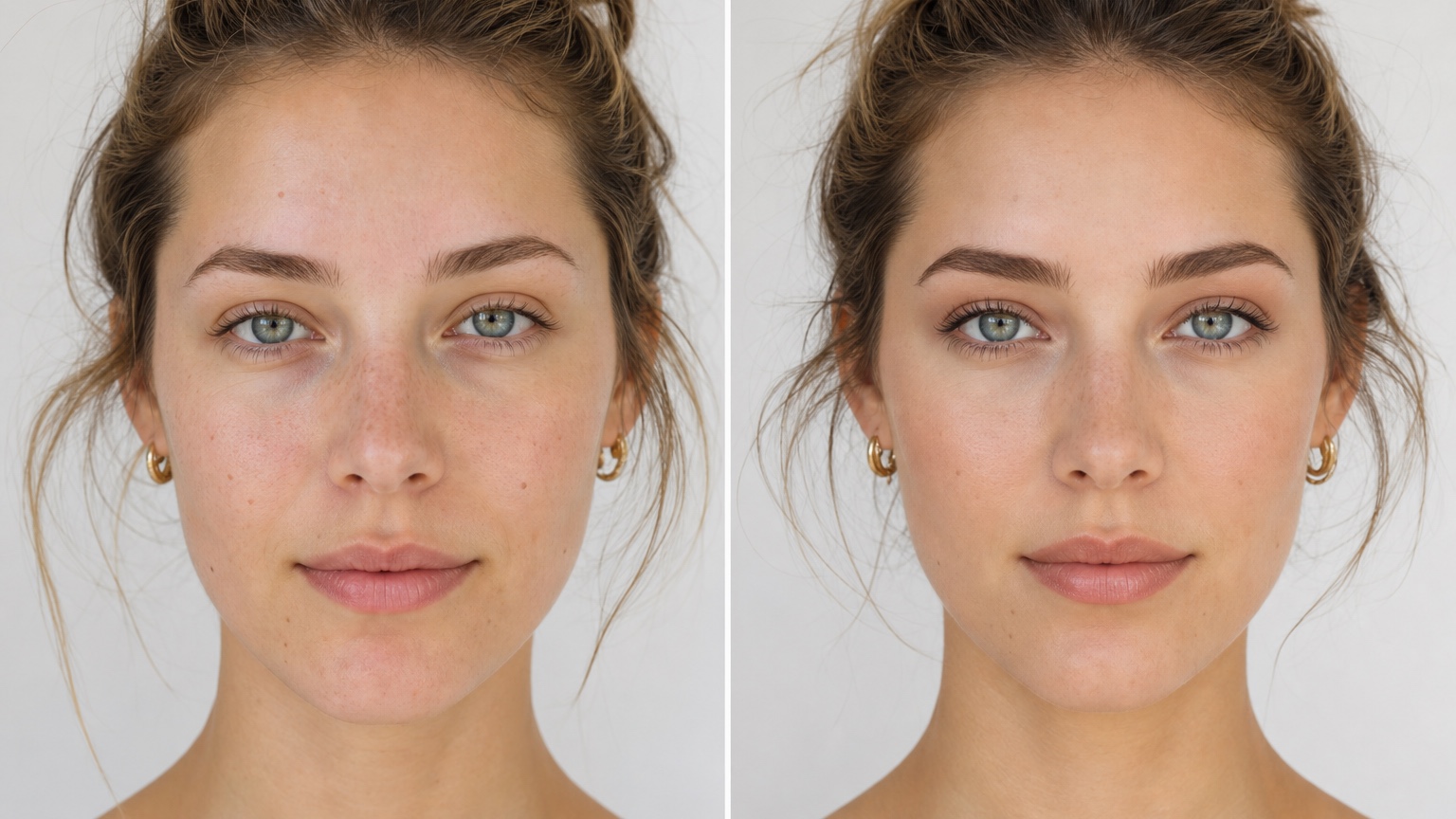
For natural makeup, compare the before and after quickly first; if the change shouts, it may not be natural. Inspect especially for waxy skin, vanished pores, overdrawn lips, mismatched brow thickness, or blush that floats instead of following cheek structure. An understated look that preserves personality is more useful than a polished image that erases the face. Use history to step back from overcorrection and return to the most wearable version.
The strongest natural preview is often the one that looks almost boring until you compare the before photo. The right next step depends on the audience. A consumer can turn the preview into two or three product categories rather than a full new makeup bag. A beauty pro can use it to ask whether the client wants skin tint, spot concealing, brow shaping, or more visible blush. A creator can use the subtle preview as a guide for close, honest lighting rather than heavy retouching. The natural-look preview succeeds when it protects realism and prevents accidental over-glam.
Natural makeup is easy to overdo in AI because the system may chase visible transformation even when the brief asks for restraint. In the subtle everyday realism test frame, begin by writing the one decision the image must answer: whether the look reads polished, realistic, and wearable rather than filtered or overdone. That line matters because AI natural makeup look can become generic beauty decoration if the prompt does not separate fixed identity from test variables. Keep the face angle, expression, lighting direction, and recognizable features stable, then ask RedesAIgn to vary makeup choices tied to natural skin texture and blush placement.
Reviewing the natural look for realism instead of drama
The strongest natural preview is often the one that looks almost boring until you compare the before photo. The right next step depends on the audience. A consumer can turn the preview into two or three product categories rather than a full new makeup bag. A beauty pro can use it to ask whether the client wants skin tint, spot concealing, brow shaping, or more visible blush. A creator can use the subtle preview as a guide for close, honest lighting rather than heavy retouching. The natural-look preview succeeds when it protects realism and prevents accidental over-glam.
Natural makeup is easy to overdo in AI because the system may chase visible transformation even when the brief asks for restraint. In the subtle everyday realism test frame, begin by writing the one decision the image must answer: whether the look reads polished, realistic, and wearable rather than filtered or overdone. That line matters because AI natural makeup look can become generic beauty decoration if the prompt does not separate fixed identity from test variables. Keep the face angle, expression, lighting direction, and recognizable features stable, then ask RedesAIgn to vary makeup choices tied to natural skin texture and blush placement.
A useful prompt for AI Natural Makeup Look Ideas From Your Photo usually has three layers. Name the original conditions carefully: natural light or indoor light, visible brows, skin texture, lip color, and any shadows that should remain. For the desired result, use quiet terms such as evened complexion, feathered brow, soft taupe lid, muted rose cheek, and hydrated neutral lip. Third, name review criteria around brow softness and office or daylight setting so the output can be judged instead of merely admired.
RedesAIgn workflow for wearable subtle variations
Natural makeup is easy to overdo in AI because the system may chase visible transformation even when the brief asks for restraint. In the subtle everyday realism test frame, begin by writing the one decision the image must answer: whether the look reads polished, realistic, and wearable rather than filtered or overdone. That line matters because AI natural makeup look can become generic beauty decoration if the prompt does not separate fixed identity from test variables. Keep the face angle, expression, lighting direction, and recognizable features stable, then ask RedesAIgn to vary makeup choices tied to natural skin texture and blush placement.
A useful prompt for AI Natural Makeup Look Ideas From Your Photo usually has three layers. Name the original conditions carefully: natural light or indoor light, visible brows, skin texture, lip color, and any shadows that should remain. For the desired result, use quiet terms such as evened complexion, feathered brow, soft taupe lid, muted rose cheek, and hydrated neutral lip. Third, name review criteria around brow softness and office or daylight setting so the output can be judged instead of merely admired.
For natural makeup, compare the before and after quickly first; if the change shouts, it may not be natural. Inspect especially for waxy skin, vanished pores, overdrawn lips, mismatched brow thickness, or blush that floats instead of following cheek structure. An understated look that preserves personality is more useful than a polished image that erases the face. Use history to step back from overcorrection and return to the most wearable version.
Where natural makeup previews can overpromise
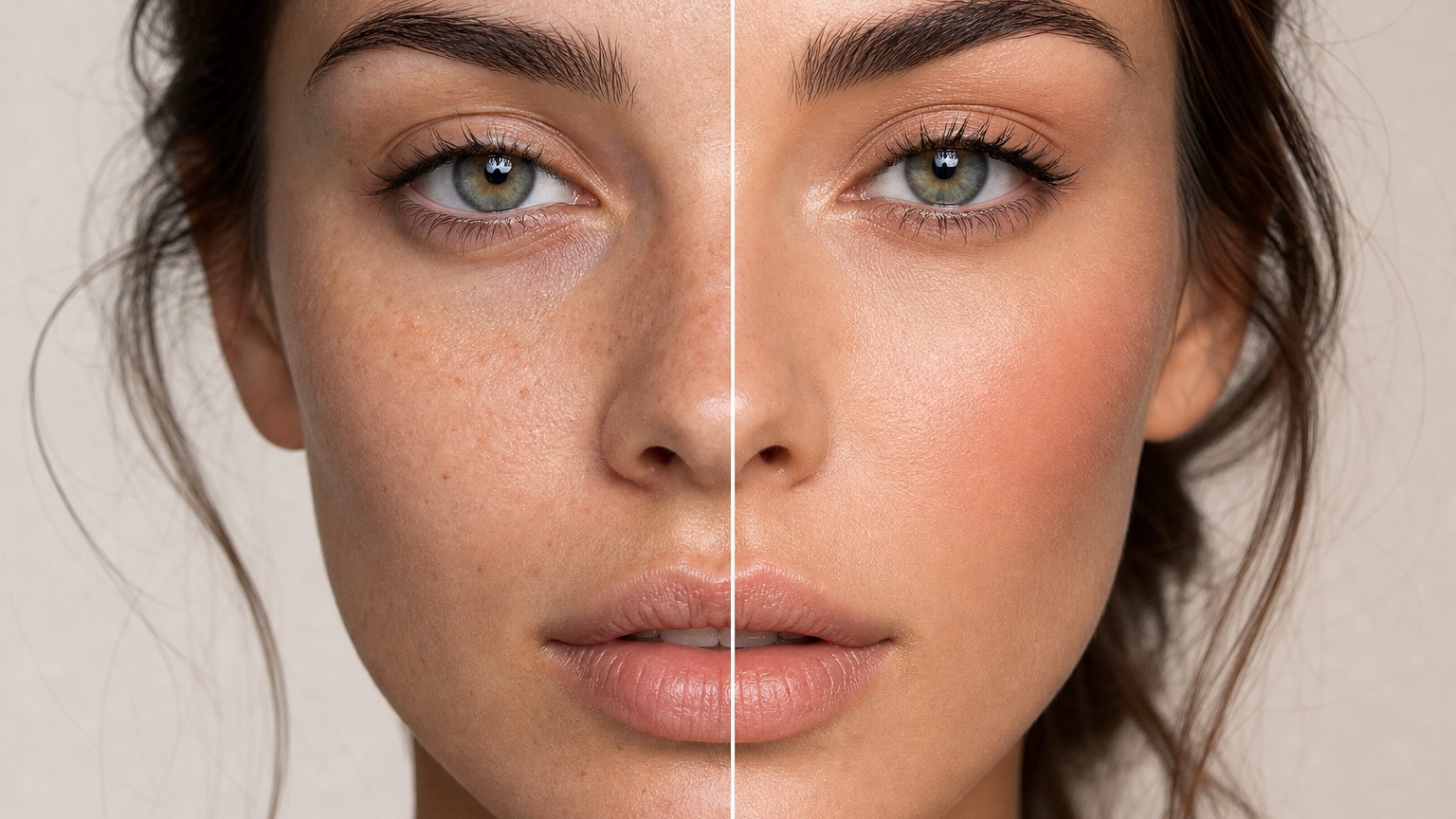
A useful prompt for AI Natural Makeup Look Ideas From Your Photo usually has three layers. Name the original conditions carefully: natural light or indoor light, visible brows, skin texture, lip color, and any shadows that should remain. For the desired result, use quiet terms such as evened complexion, feathered brow, soft taupe lid, muted rose cheek, and hydrated neutral lip. Third, name review criteria around brow softness and office or daylight setting so the output can be judged instead of merely admired.
For natural makeup, compare the before and after quickly first; if the change shouts, it may not be natural. Inspect especially for waxy skin, vanished pores, overdrawn lips, mismatched brow thickness, or blush that floats instead of following cheek structure. An understated look that preserves personality is more useful than a polished image that erases the face. Use history to step back from overcorrection and return to the most wearable version.
The strongest natural preview is often the one that looks almost boring until you compare the before photo. The right next step depends on the audience. A consumer can turn the preview into two or three product categories rather than a full new makeup bag. A beauty pro can use it to ask whether the client wants skin tint, spot concealing, brow shaping, or more visible blush. A creator can use the subtle preview as a guide for close, honest lighting rather than heavy retouching. The natural-look preview succeeds when it protects realism and prevents accidental over-glam.
Turning a subtle preview into a product or appointment list
For natural makeup, compare the before and after quickly first; if the change shouts, it may not be natural. Inspect especially for waxy skin, vanished pores, overdrawn lips, mismatched brow thickness, or blush that floats instead of following cheek structure. An understated look that preserves personality is more useful than a polished image that erases the face. Use history to step back from overcorrection and return to the most wearable version.
The strongest natural preview is often the one that looks almost boring until you compare the before photo. The right next step depends on the audience. A consumer can turn the preview into two or three product categories rather than a full new makeup bag. A beauty pro can use it to ask whether the client wants skin tint, spot concealing, brow shaping, or more visible blush. A creator can use the subtle preview as a guide for close, honest lighting rather than heavy retouching. The natural-look preview succeeds when it protects realism and prevents accidental over-glam.
Natural makeup is easy to overdo in AI because the system may chase visible transformation even when the brief asks for restraint. In the subtle everyday realism test frame, begin by writing the one decision the image must answer: whether the look reads polished, realistic, and wearable rather than filtered or overdone. That line matters because AI natural makeup look can become generic beauty decoration if the prompt does not separate fixed identity from test variables. Keep the face angle, expression, lighting direction, and recognizable features stable, then ask RedesAIgn to vary makeup choices tied to natural skin texture and blush placement.
Start with a low-risk RedesAIgn makeup pass
RedesAIgn is useful for low-risk natural-look exploration because the first 5 free AI credits require no credit card, and larger one-time credit packs can support bigger client comparison sets. After the no-card free start, one-time credit packs can support broader subtle-look testing for clients or content.
Related RedesAIgn guides: AI clothes try on, AI hairstyle generator, and AI fashion photoshoot.
Try these prompts in redesAIgn
Preview a soft layered haircut on this photo while keeping the face shape natural.
Try a subtle color change that still looks realistic in daylight.
Show a polished hairstyle option for a special event without changing identity.
Related guides
- AI Eyeshadow Try-On: Test Eye Looks Before Buying Products
Try eyeshadow looks on your selfie with RedesAIgn. Compare soft, bold, and event color stories before buying palettes or booking makeup.
- AI Lipstick Try-On: Preview Lip Colors on Your Photo
Try lipstick shades on your selfie with RedesAIgn. Compare everyday nudes and bold colors before buying products or locking a makeup look.
- AI Makeup Before and After Generator for Beauty Ideas
Create makeup before-and-after previews with RedesAIgn for clients, content, or appointment planning without overpromising final results.
- AI Makeup Filter From Photo: Create Realistic Beauty Look Concepts
Apply realistic makeup filters from your photo with RedesAIgn. Compare soft and glam looks before buying products or booking appointments.
- AI Soft Glam Makeup Ideas From Your Face Photo
Preview soft glam makeup looks on your selfie with RedesAIgn. Compare polished options before buying products or booking beauty appointments.