AI Construction Plan Visualization for Client Approvals
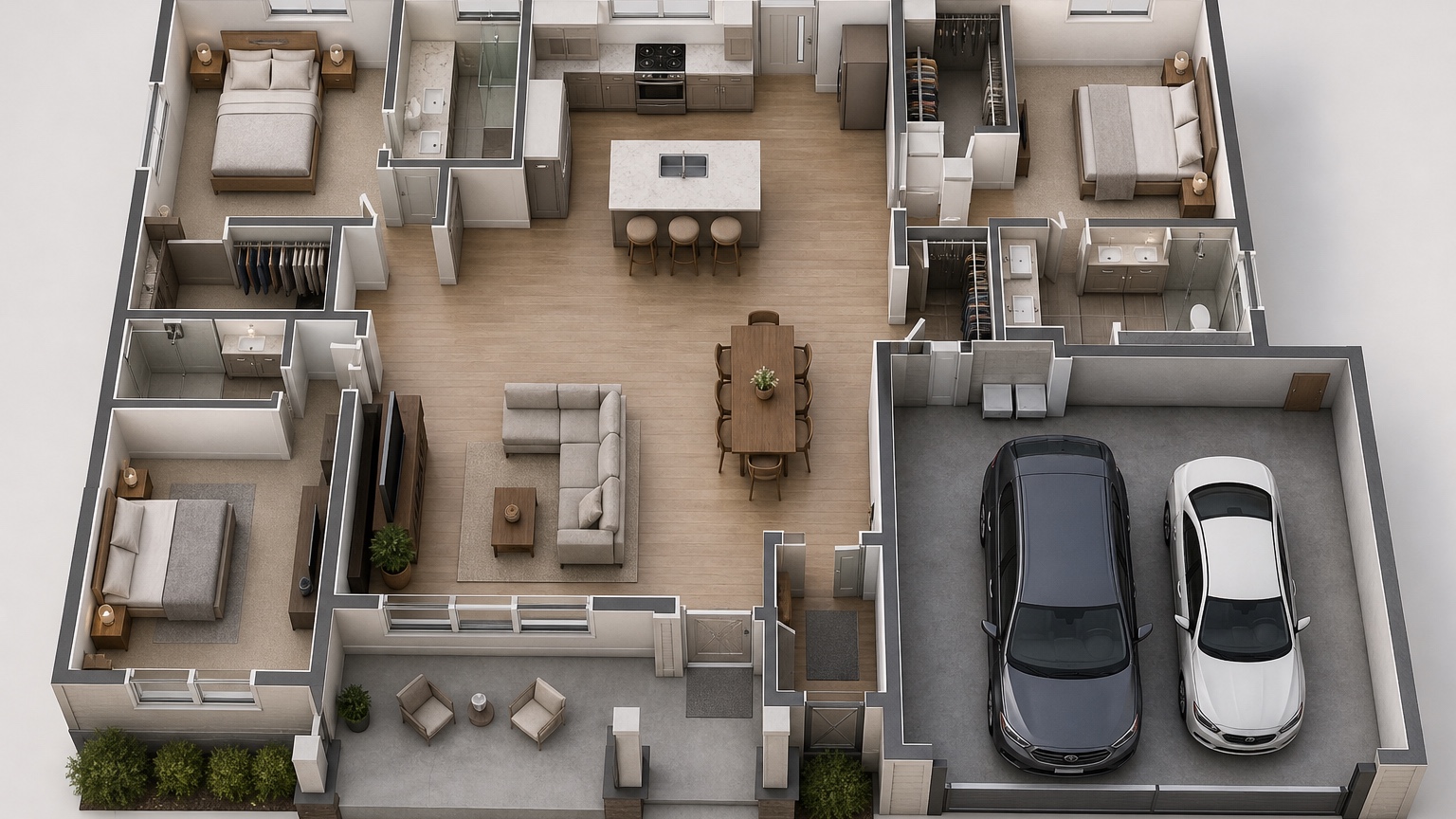
Why AI Construction Plan Visualization for Client Approvals matters before the next commitment
The practical reason to search for AI construction plan visualization is not curiosity about AI. It is the need to make a flat or abstract plan easier to trust before a client, spouse, buyer, or contractor commits to the next step, for the contractor client-approval meeting. For builders, contractors, the pain is specific: reduce client confusion. The article should therefore be judged by whether it turns uncertainty into a better conversation, for the contractor client-approval meeting.
Use this workflow when the current material is technically available but emotionally unclear, for the contractor client-approval meeting. A plan can show walls and measurements while still leaving people confused about arrival sequence, furniture scale, sightlines, circulation, and the tradeoffs between a conservative plan and a more ambitious one, for the contractor client-approval meeting. The narrative frame here is a contractor approval workflow where the image must reduce questions before a client signs a change order.
For builders, contractors, AI Construction Plan Visualization for Client Approvals is valuable only when it makes the next decision less vague. In this case the decision is how to reduce client confusion. Picture a builder reviewing a mudroom wall move, a contractor clarifying built-ins, and a client who needs to understand why a doorway shift changes cabinetry and traffic flow. The image should make that situation easier to discuss, not simply decorate a blog post, for the contractor client-approval meeting. A good result preserves the recognizable plan logic, makes room relationships easier to see, and gives every stakeholder something specific to question before money moves, for the contractor client-approval meeting.
Input checklist for a believable AI construction plan visualization result
Start with a clean plan scan, screenshot, photo, or exported image. Straighten it if possible, crop away unrelated browser chrome, and make sure walls, doors, windows, stairs, room names, and dimensions are readable, for the contractor client-approval meeting. If the source is blurry, the output may look confident while quietly inventing relationships, for the contractor client-approval meeting.
Write down what must remain fixed before you generate anything: exterior envelope, plumbing wall, stair position, structural posts, garage bay, hallway width, window openings, or listing facts, for the contractor client-approval meeting. A RedesAIgn prompt can be creative, but the best prompt separates fixed constraints from desired improvements, for the contractor client-approval meeting.
Add reference images only when they clarify style, material, mood, or a comparable spatial feeling, for the contractor client-approval meeting. Do not overload the prompt with every dream finish. The first pass should solve reduce client confusion; finishes can come after the room logic is understandable.
Approval visuals should be tied to a scope question
A contractor should not ask AI to visualize the whole project when the client only needs to approve one uncertain element. Frame the prompt around the decision: opening width, cabinet wall, stair rail, shower layout, fireplace surround, or room connection. A focused image reduces back-and-forth because everyone knows which part of the plan is being judged.
In RedesAIgn, this is where saved prompts and generation history help, for the contractor client-approval meeting. You can run a narrow variation, keep the language that worked, then remix from a stronger reference without losing the previous direction, for the contractor client-approval meeting. That creates a comparison trail instead of a pile of unrelated images, for the contractor client-approval meeting.
The review question should be written before the generation starts, for the contractor client-approval meeting. For this topic, ask whether the output made AI construction plan visualization easier to explain to builders, contractors. If it did not, adjust the input rather than polishing the wrong answer, for the contractor client-approval meeting.
Keep the drawing set in charge
The construction plan remains the authority. The visualization is a communication layer that helps clients understand consequences. Label the AI output in your internal notes as conceptual, then compare it against measurements, engineering, code, allowances, and supplier constraints. If the image inspires a change, route that change back through drawings and estimates before anyone treats it as approved.
In RedesAIgn, this is where saved prompts and generation history help, for the contractor client-approval meeting. You can run a narrow variation, keep the language that worked, then remix from a stronger reference without losing the previous direction, for the contractor client-approval meeting. That creates a comparison trail instead of a pile of unrelated images, for the contractor client-approval meeting.
The review question should be written before the generation starts, for the contractor client-approval meeting. For this topic, ask whether the output made AI construction plan visualization easier to explain to builders, contractors. If it did not, adjust the input rather than polishing the wrong answer, for the contractor client-approval meeting.
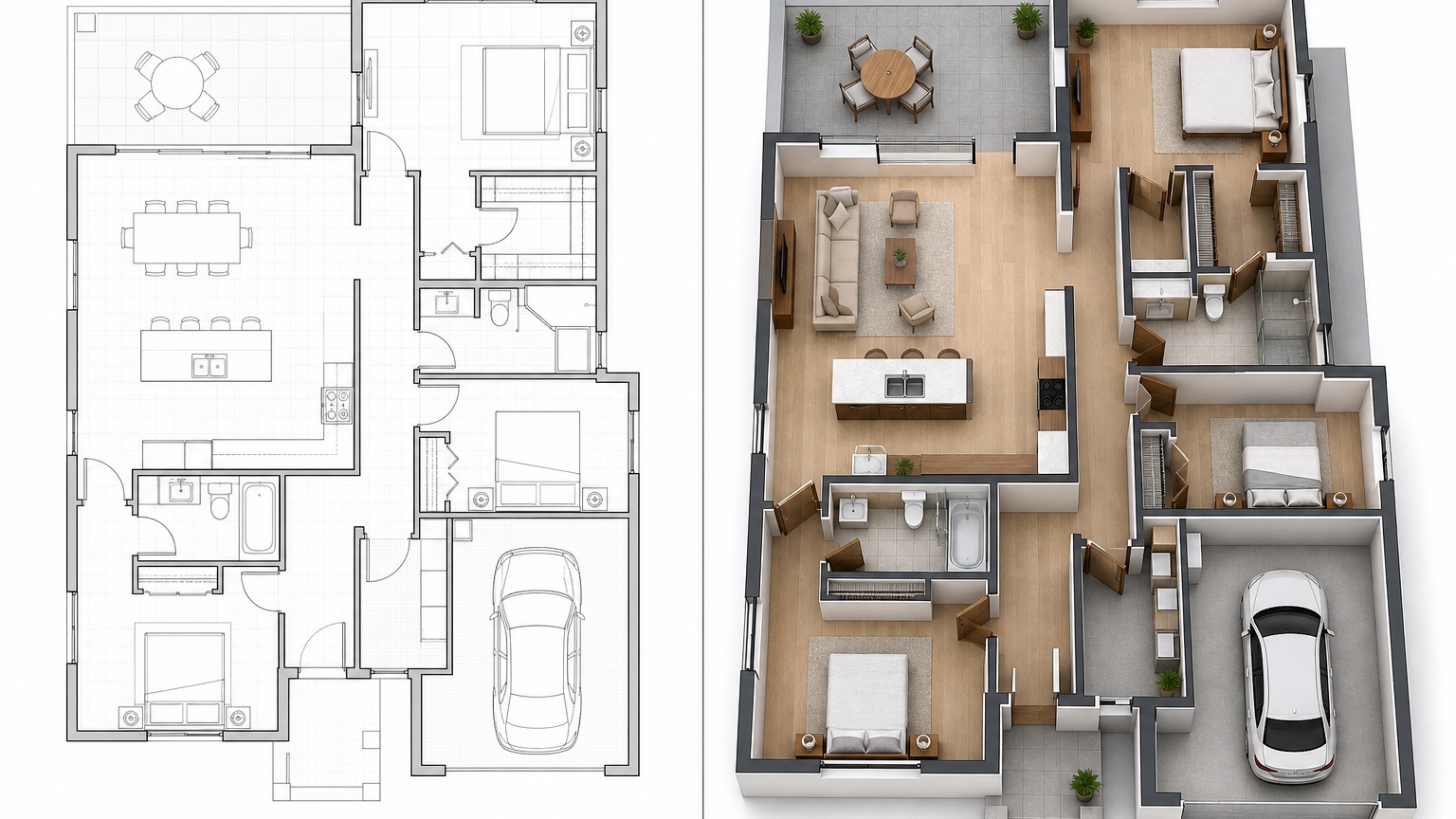
Use saved history to document decisions
When clients change their mind, saved prompt history becomes more than convenience. It shows which options were compared and why one version was selected. A builder can reference that sequence during a handoff meeting: this version kept the wall, this one moved the opening, this one required a cabinet change. Visual history makes approvals less slippery.
In RedesAIgn, this is where saved prompts and generation history help, for the contractor client-approval meeting. You can run a narrow variation, keep the language that worked, then remix from a stronger reference without losing the previous direction, for the contractor client-approval meeting. That creates a comparison trail instead of a pile of unrelated images, for the contractor client-approval meeting.
The review question should be written before the generation starts, for the contractor client-approval meeting. For this topic, ask whether the output made AI construction plan visualization easier to explain to builders, contractors. If it did not, adjust the input rather than polishing the wrong answer, for the contractor client-approval meeting.
Prompt brief for stronger AI construction plan visualization outputs
A strong prompt begins with the outcome: create a clear architectural visualization from a plan that helps builders, contractors reduce client confusion. Then name the rooms or zones that must be emphasized, for the contractor client-approval meeting. If circulation is the issue, mention hallways, door swings, furniture clearance, and the path from entry to main living space, for the contractor client-approval meeting.
Include constraints in plain language: keep the original room count, respect visible openings, do not add text labels, do not add people, keep lighting realistic, preserve a clean real estate or design-review style, and avoid fantasy architecture, for the contractor client-approval meeting. These instructions help the model stay useful instead of drifting into decorative renderings, for the contractor client-approval meeting.
Generate controlled alternatives. One version can stay close to the plan, one can test a practical upgrade, and one can explore a bolder concept, for the contractor client-approval meeting. Save each prompt so a stakeholder can see what changed, for the contractor client-approval meeting. The difference between versions should be explainable in one sentence, for the contractor client-approval meeting.
How to review the AI construction plan visualization image before anyone trusts it
Check scale first. Furniture should fit without blocking doors. Hallways should not shrink into impossible paths. Windows, stairs, openings, and room relationships should remain consistent with the source, for the contractor client-approval meeting. If the AI quietly moved a wall, treat the image as inspiration rather than a decision reference, for the contractor client-approval meeting.
Check construction reality next. A concept does not verify code, engineering, permits, structural spans, mechanical routes, drainage, egress, or product availability, for the contractor client-approval meeting. The safest workflow is to use the image to choose questions for a qualified reviewer, not to skip that review, for the contractor client-approval meeting.
Finally, check communication value. Can a non-specialist point to the image and explain what they like, fear, or want priced, for the contractor client-approval meeting. If yes, the visualization has created momentum. If everyone only says it looks nice, it may be too generic to guide the next action, for the contractor client-approval meeting.
Common mistakes that make AI construction plan visualization visuals generic
The first mistake is uploading a weak source and expecting the AI to infer the whole project. Better source material usually beats a longer prompt. The second mistake is asking for style, furniture, lighting, mood, and structural changes all at once, for the contractor client-approval meeting. That creates attractive ambiguity rather than a useful answer.
Another mistake is hiding uncertainty. If the image invented a window, widened a room, changed a stair, or assumed a high ceiling, note it openly, for the contractor client-approval meeting. Hidden assumptions become expensive when they reach a contractor, buyer, or family decision meeting, for the contractor client-approval meeting.
The last mistake is stopping at the image. The output should produce an action: revise a prompt, request a quote, ask a professional question, compare options, or eliminate a direction that looked better in imagination than it does in space, for the contractor client-approval meeting.
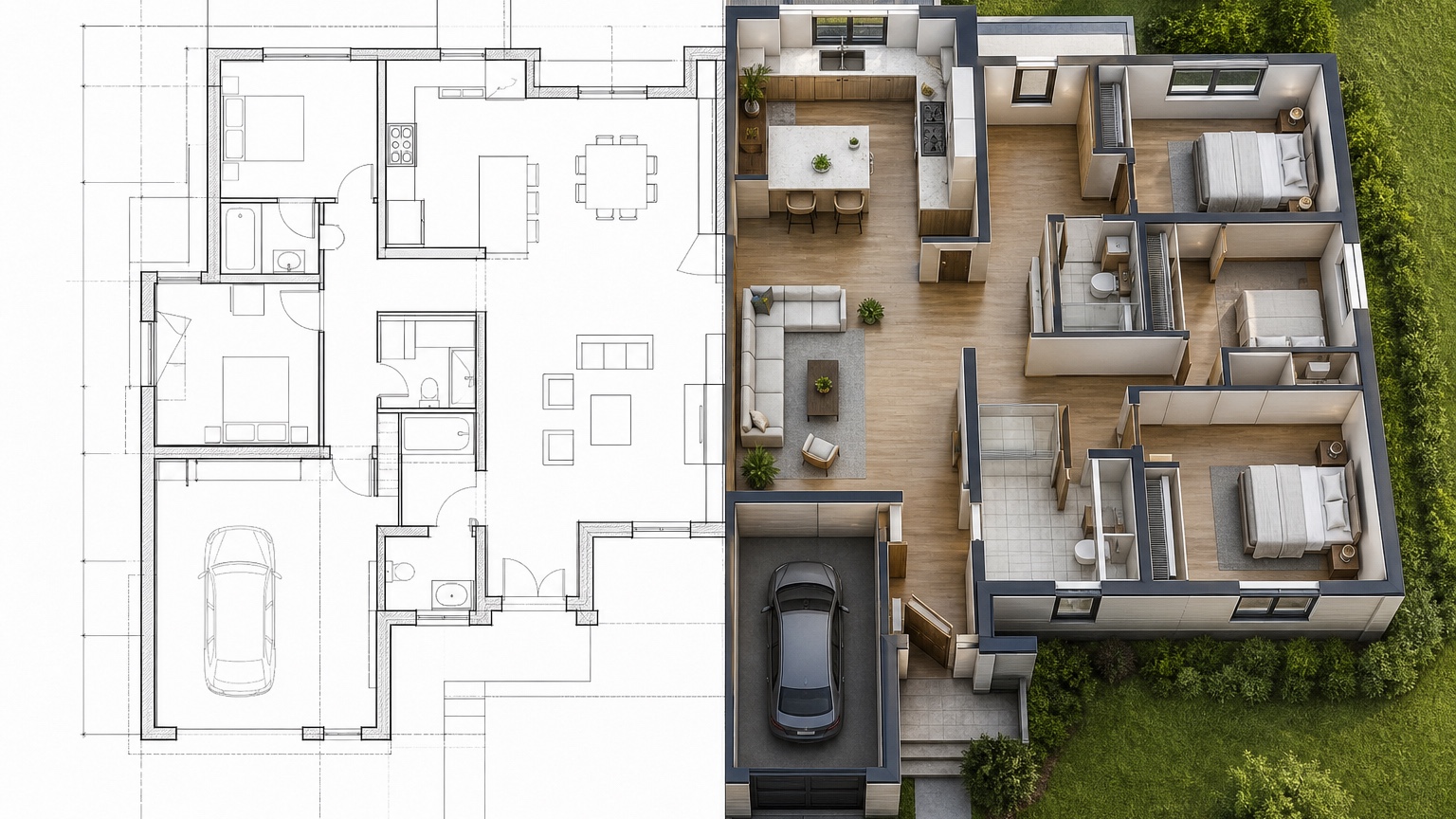
A RedesAIgn workflow from first upload to practical next step
Open RedesAIgn and use the editor intended for blueprint or floor plan visualization, for the contractor client-approval meeting. The product is built around specialized AI editors, prompt-driven edits, remix/reference workflows, saved prompts, and generation history, so keep the project organized as a sequence rather than a one-off experiment, for the contractor client-approval meeting.
RedesAIgn can turn a plan screenshot into a practical approval aid when you keep the prompt tied to one scope question, use saved prompt/history comparisons, and show the selected concept next to drawings, specifications, and allowances instead of replacing them.
RedesAIgn offers 5 free AI credits with no credit card required, plus one-time credit packs if a project needs more exploration, for the contractor client-approval meeting. Commercial use is allowed, which matters for agents, designers, builders, developers, and contractors who want concept visuals for client communication or sales enablement, for the contractor client-approval meeting.
Questions to answer before committing to an AI construction plan visualization direction
What exactly did the image clarify: layout, furniture, circulation, buyer comprehension, client approval, or stakeholder alignment? If the answer is vague, the next prompt should be narrower, for the contractor client-approval meeting.
What still needs proof: measurements, drawings, code, engineering, product selections, contractor pricing, site conditions, listing disclosure, or permit review, for the contractor client-approval meeting. Put those items in a separate checklist so the AI image does not carry authority it does not have, for the contractor client-approval meeting.
Who needs to see the selected version next? A homeowner may need a spouse conversation, a builder may need a scope review, an agent may need broker approval, and a developer may need a pre-sale package, for the contractor client-approval meeting. The right handoff depends on the decision the image unlocked, for the contractor client-approval meeting.
Comparison framework for builders, contractors
Compare three versions by decision value rather than beauty. Score each one for usefulness, realism, cost implication, stakeholder clarity, and fit with the original plan, for the contractor client-approval meeting. A simple one-to-five score is enough when the goal is to choose what deserves more professional attention, for the contractor client-approval meeting.
Keep the version that clarifies the decision fastest, even if a more dramatic visual looks better in a portfolio, for the contractor client-approval meeting. For AI construction plan visualization, the winning output is the one that helps builders, contractors reduce client confusion with fewer assumptions and a clearer next step.
Archive the rejected versions too. They often explain why a direction was not chosen, and that record can be helpful when a stakeholder later asks why the project did not pursue a different layout, for the contractor client-approval meeting.
FAQ
Can a client approve construction from an AI image?
The image can support approval conversations, but final approval should refer back to drawings, specifications, estimates, and written scope.
Why use AI if we already have plans?
Because clients often understand images faster than drawings. The AI visual can reduce confusion before formal documents are revised.
Try these prompts in redesAIgn
Convert this floor plan into a bright open-concept living area with a kitchen island and natural light.
Show furniture placement for a 2-bedroom layout with a dining nook and entry storage.
Visualize this blueprint as a modern ADU with compact kitchen, loft bed, and bathroom.
Related guides
- AI Floor Plan With Furniture: See How Rooms Could Work
Add furniture to floor plans with RedesAIgn so scale and circulation stay realistic before you buy pieces or rearrange a real room layout.
- AI Kitchen Floor Plan Visualizer for Remodel Layout Ideas
Visualize kitchen floor plans with AI before remodeling. Compare work triangles, islands, storage, and circulation with realistic furniture scale.
- AI Open Concept Floor Plan Ideas From Existing Layouts
Compare open-concept floor plans with AI before removing walls. Preview kitchen, living, and dining flow plus furniture zones and circulation.
- AI ADU Floor Plan Visualizer for Backyard Homes and Rentals
Preview ADU floor plans with AI for backyard homes and rentals. Compare compact layouts, baths, kitchens, and access before permitting talks.
- AI Basement Floor Plan Design: Visualize Finished Basement Layouts
Design finished basement layouts with AI floor plans. Compare recreation, guest, office, and bath options before construction estimates.