AI No-Makeup Makeup Look Generator From Your Photo
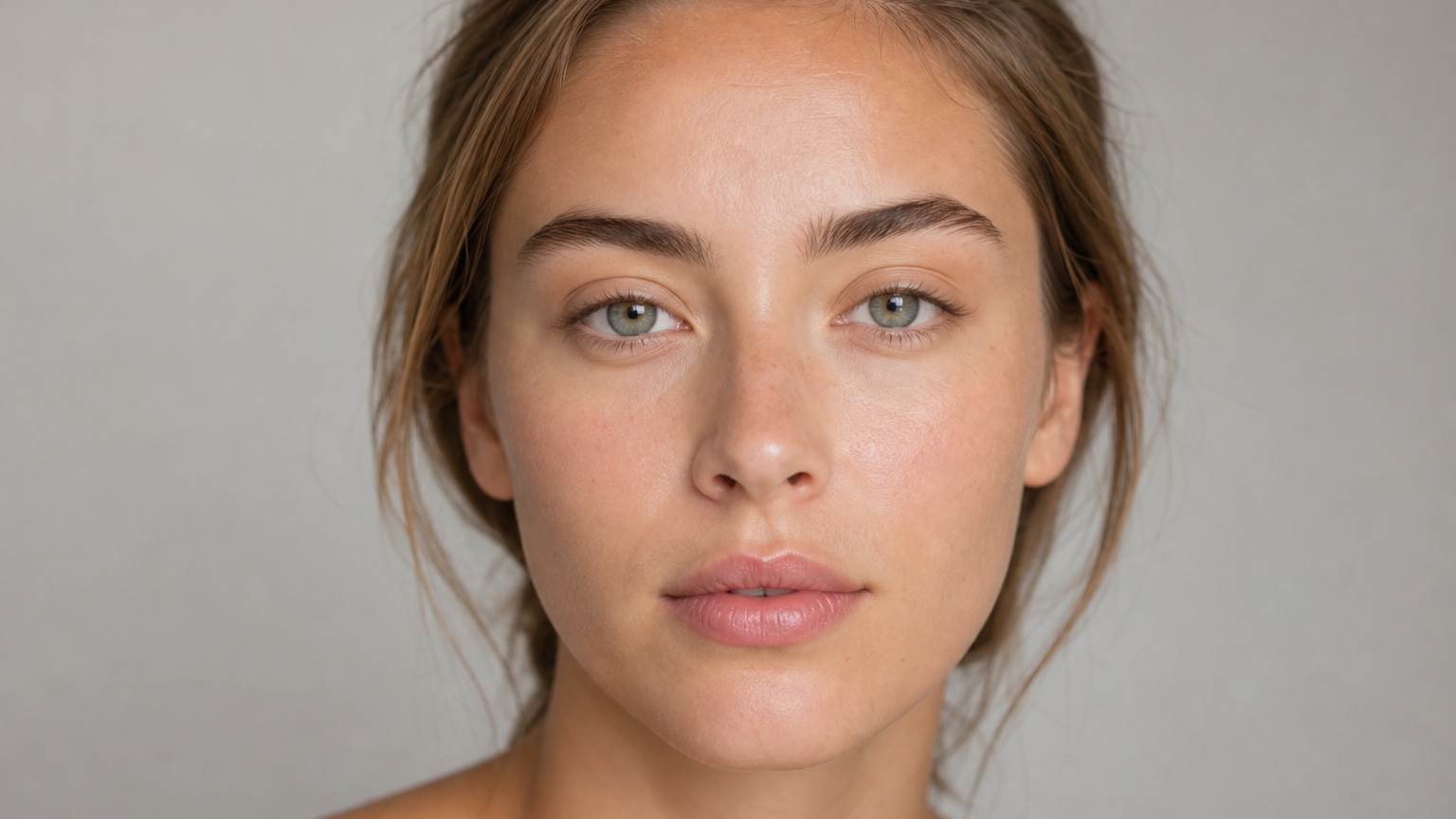
Ai No Makeup Makeup Look is not really about asking artificial intelligence for a prettier face picture. It is about reducing a specific risk before someone spends money, books an appointment, shows up on camera, or walks into an event with a look that cannot be tested in advance for the natural-polish case. For this topic, the useful decision frame is natural polish for creators and everyday consumers. The person uploading the photo needs to see whether the idea respects their face, their occasion, and their tolerance for change, rather than only admiring a polished sample image on someone else for the natural-polish case. RedesAIgn fits that middle step because it lets you upload a photo, write a prompt, remix visual references when they clarify the direction, save prompts, and compare the generation history for the natural-polish case. The product claim is intentionally modest: it helps create visual concepts quickly, not replace judgment from a makeup artist, stylist, parent, client, or the person who will actually wear the look for the natural-polish case. The scenario to keep in mind is a creator who wants to look rested on video without making followers notice foundation, heavy liner, or a dramatic lip change. That kind of situation is where a clear preview can prevent circular conversations, rushed product purchases, and vague instructions that sound confident until the mirror test begins for the natural-polish case.
AI No-Makeup Makeup Look Generator From Your Photo: the decision to make first
Before opening any editor, write down what the AI no makeup makeup look preview must decide. A strong brief names the event, the lighting, the outfit color, the person’s comfort level, and the one feature that cannot be distorted for the natural-polish case. If the result answers only the broad question of whether makeup can look attractive, it has not helped enough for the natural-polish case. The strongest RedesAIgn prompts for AI no makeup makeup look start with the outcome, not with a pile of adjectives. Say whether the goal is a softer reference, a bolder option, a consultation proof, a product-shopping comparison, or a content concept for the natural-polish case. This protects the face photo from becoming a generic beauty render for the natural-polish case. A practical preview also creates a shared language. In this batch topic, the winning result should look like better sleep, softer light, and smarter grooming rather than obvious makeup. One image can show placement, intensity, and mood faster than a paragraph of beauty vocabulary that different people interpret differently for the natural-polish case.
Prepare the input photo before judging the makeup idea
Use a clear, recent, front-facing photo when possible for the natural-polish case. Even light, visible eyes, visible lips, and minimal filters matter because the editor has to preserve recognizable facial structure while changing makeup choices for the natural-polish case. A blurry selfie may still produce something attractive, but it is a weaker planning tool for AI no makeup makeup look. Remove avoidable confusion from the image before the prompt gets complicated for the natural-polish case. If hair covers one eye, sunglasses hide lid space, or harsh shadow changes cheek depth, the output can exaggerate details that are not really part of the face for the natural-polish case. The better input is usually plain rather than glamorous. If the look depends on outfit color, costume detail, jewelry metal, venue mood, or camera use, mention that context in the prompt for the natural-polish case. A makeup choice that works under warm indoor bulbs can look different in flash photography, daylight portraits, or short-form video for the natural-polish case.
Build three controlled AI no makeup makeup look variations
The safest workflow is not one overloaded prompt. Generate a restrained version first, then an elevated version, and only then a high-impact version for the natural-polish case. Because RedesAIgn keeps generation history and saved prompts, you can compare the ladder instead of trying to remember why one result felt more wearable for the natural-polish case. For the restrained pass, ask for believable skin texture, balanced complexion, and a change that respects the original face for the natural-polish case. For the elevated pass, specify the main focus area and keep the rest of the face coordinated for the natural-polish case. For the high-impact pass, state the boundary that should not be crossed so the image remains useful for the natural-polish case. This three-step comparison is especially helpful for consumers, creators because the problem is natural polished look ideas. The preview becomes a decision board, not a decoration exercise, and that makes the final choice easier to defend for the natural-polish case.
Prompt brief you can adapt in RedesAIgn
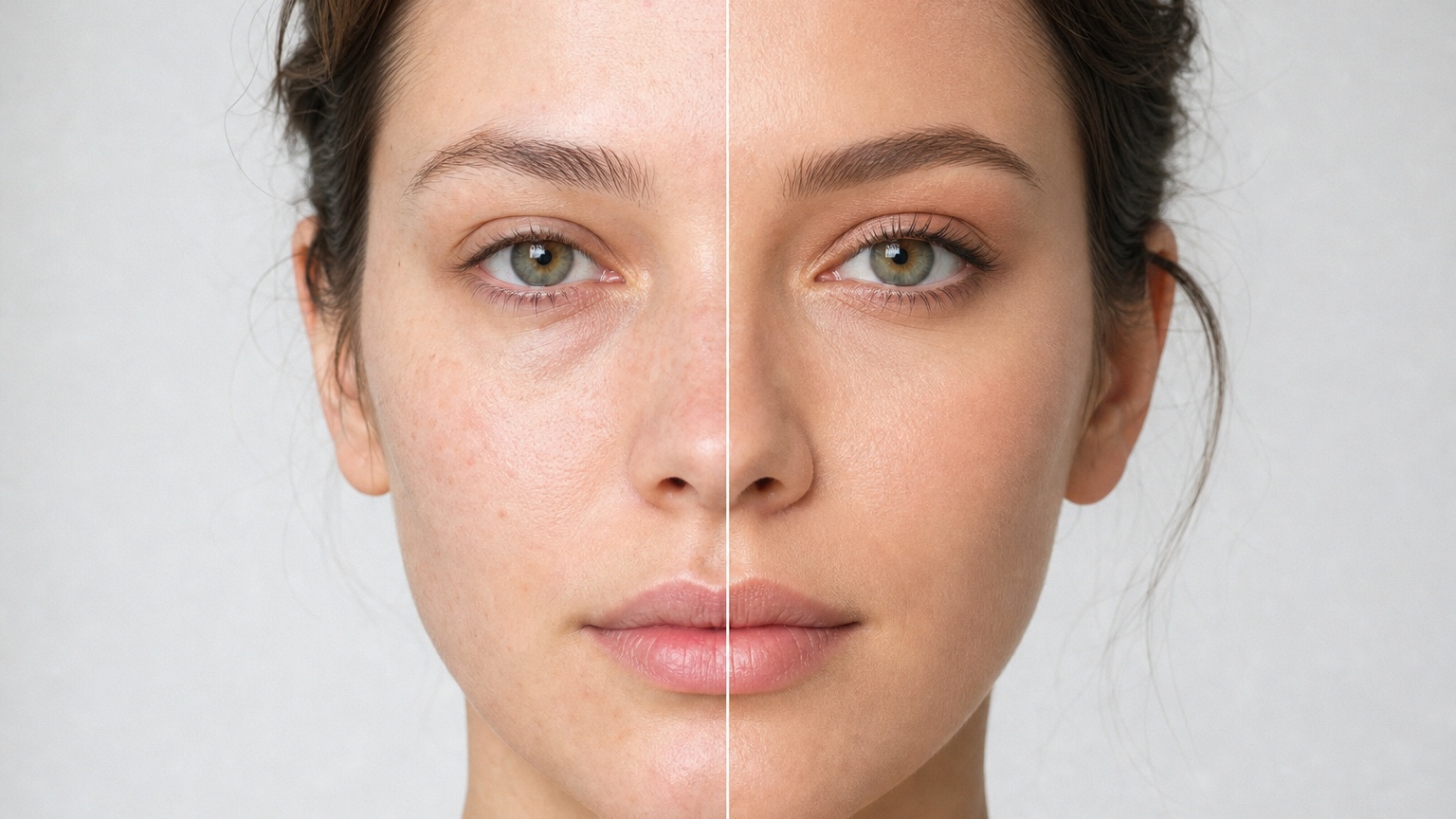
Start with: 'Using this face photo, create an AI no makeup makeup look reference that keeps the person recognizable and realistic.' Then add the occasion, intensity, finish, and what should stay natural for the natural-polish case. If a reference image helps, use it to clarify color or mood rather than to copy another person’s face for the natural-polish case. A second prompt can ask for a side-by-side comparison: original photo on the left and the edited AI no makeup makeup look concept on the right, with the same pose and lighting. A third prompt can isolate the key detail, such as lips, eyes, complexion, or costume effect, so the wearer can inspect the part that matters most for the natural-polish case. Avoid instructions that fight each other. 'Barely there, dramatic, editorial, natural, glossy, matte, vintage, futuristic' in one request gives the model too many directions for the natural-polish case. Pick the visual priority for each generation and use history to keep the best candidate for the natural-polish case.
How to judge whether the generated image is usable
Do not approve an AI no makeup makeup look preview only because it looks polished. Check whether the eyes still align, the lip shape remains plausible, skin texture has not become plastic, and the face still resembles the original person for the natural-polish case. Makeup images are allowed to include faces, but distorted faces are not useful references for the natural-polish case. Look for hidden problems too: unreadable pseudo-text, odd jewelry marks, warped lashes, smeared brows, impossible contour shadows, or colors that would not translate to real products for the natural-polish case. If a generated option introduces one of those issues, revise the prompt or regenerate that variation for the natural-polish case. A good decision image should answer a real next step. It should make someone comfortable booking the artist, buying a product shade, rehearsing the look, shooting the content, or deciding that a softer direction is wiser for the natural-polish case.
Use the preview with artists, clients, or shoppers
When another person is involved, send the strongest candidate with a short note about what should be copied and what should merely inspire the final look for the natural-polish case. For AI no makeup makeup look, the image may define color family, placement, intensity, or mood, but the real-world artist still adapts technique to skin, products, and time. For shoppers, treat the preview as a filter before checkout. It can tell you whether the visual direction is promising, but it should not force you into a formula for the natural-polish case. If the image suggests a shade family, confirm that family against undertone, wear time, ingredients, and return policy before buying for the natural-polish case. For creators, save the prompt and result so later shoots stay consistent for the natural-polish case. RedesAIgn's prompt history is useful when a series needs the same visual identity across thumbnails, reels, portraits, or campaign variations for the natural-polish case.
Common mistakes to avoid
The first mistake is judging AI no makeup makeup look from someone else’s face. Trends are helpful, but face shape, lid space, lip pigment, undertone, skin finish, and camera distance change the outcome for the natural-polish case. Uploading your own photo is the point of the workflow. The second mistake is chasing the most dramatic generation even when the occasion requires comfort for the natural-polish case. A powerful concept can be useful as a ceiling, but the version someone will actually wear may be the middle option for the natural-polish case. Keep the comparison honest. The third mistake is ignoring feasibility. If the generated look requires products, tools, or professional skill the wearer will not have, use it as inspiration and request a simpler version that still carries the same mood for the natural-polish case.
A practical RedesAIgn workflow
Upload one clean photo, write a focused AI no makeup makeup look prompt, and generate the first option. Save that prompt before changing anything. Then create two more versions with only one major variable changed, such as color intensity, eye emphasis, skin finish, or costume drama for the natural-polish case. Compare the results in history and choose one keeper, one safer backup, and one rejected example for the natural-polish case. The rejected example is useful because it clarifies what not to ask an artist, what not to buy, or what not to shoot for the natural-polish case. Decision workflows improve when they preserve negatives as well as favorites for the natural-polish case. RedesAIgn can be started free with 5 AI credits and no credit card required for the natural-polish case. If the preview becomes part of a commercial consultation, content workflow, or salon process, the one-time credit packs and commercial-use allowance make it easier to test without committing to a subscription for the natural-polish case.
Final checklist before acting on the image
Confirm that the selected AI no makeup makeup look image keeps the original face believable, matches the intended occasion, and gives a clear instruction for the next step. If any of those three checks fail, the image may still be attractive, but it is not ready to guide spending or scheduling for the natural-polish case. Share the final candidate with context: what to keep, what to soften, what lighting it was meant for, and which details are non-negotiable for the natural-polish case. This small explanation prevents a visual reference from being misunderstood by a friend, client, artist, or future version of yourself for the natural-polish case. Start free in RedesAIgn with a no-filter face photo, then compare a skin-tint version, a groomed-brow version, and a camera-ready version without needing a card.
FAQ
Can I use RedesAIgn for AI no makeup makeup look if I am not a professional?
Yes. The workflow is designed for clear photo-based experimentation, and a professional can still refine technique, product choice, and skin preparation when needed for the natural-polish case.
Should I copy the generated AI no makeup makeup look exactly?
Use the image as a reference, not a rigid rule. Real products, lighting, skin texture, and artist technique should guide the final execution for the natural-polish case.
Try these prompts in redesAIgn
Preview a soft layered haircut on this photo while keeping the face shape natural.
Try a subtle color change that still looks realistic in daylight.
Show a polished hairstyle option for a special event without changing identity.
Related guides
- AI Eyeshadow Try-On: Test Eye Looks Before Buying Products
Try eyeshadow looks on your selfie with RedesAIgn. Compare soft, bold, and event color stories before buying palettes or booking makeup.
- AI Lipstick Try-On: Preview Lip Colors on Your Photo
Try lipstick shades on your selfie with RedesAIgn. Compare everyday nudes and bold colors before buying products or locking a makeup look.
- AI Makeup Before and After Generator for Beauty Ideas
Create makeup before-and-after previews with RedesAIgn for clients, content, or appointment planning without overpromising final results.
- AI Makeup Filter From Photo: Create Realistic Beauty Look Concepts
Apply realistic makeup filters from your photo with RedesAIgn. Compare soft and glam looks before buying products or booking appointments.
- AI Soft Glam Makeup Ideas From Your Face Photo
Preview soft glam makeup looks on your selfie with RedesAIgn. Compare polished options before buying products or booking beauty appointments.