AI Hair Makeover: Generate Before and After Hair Ideas
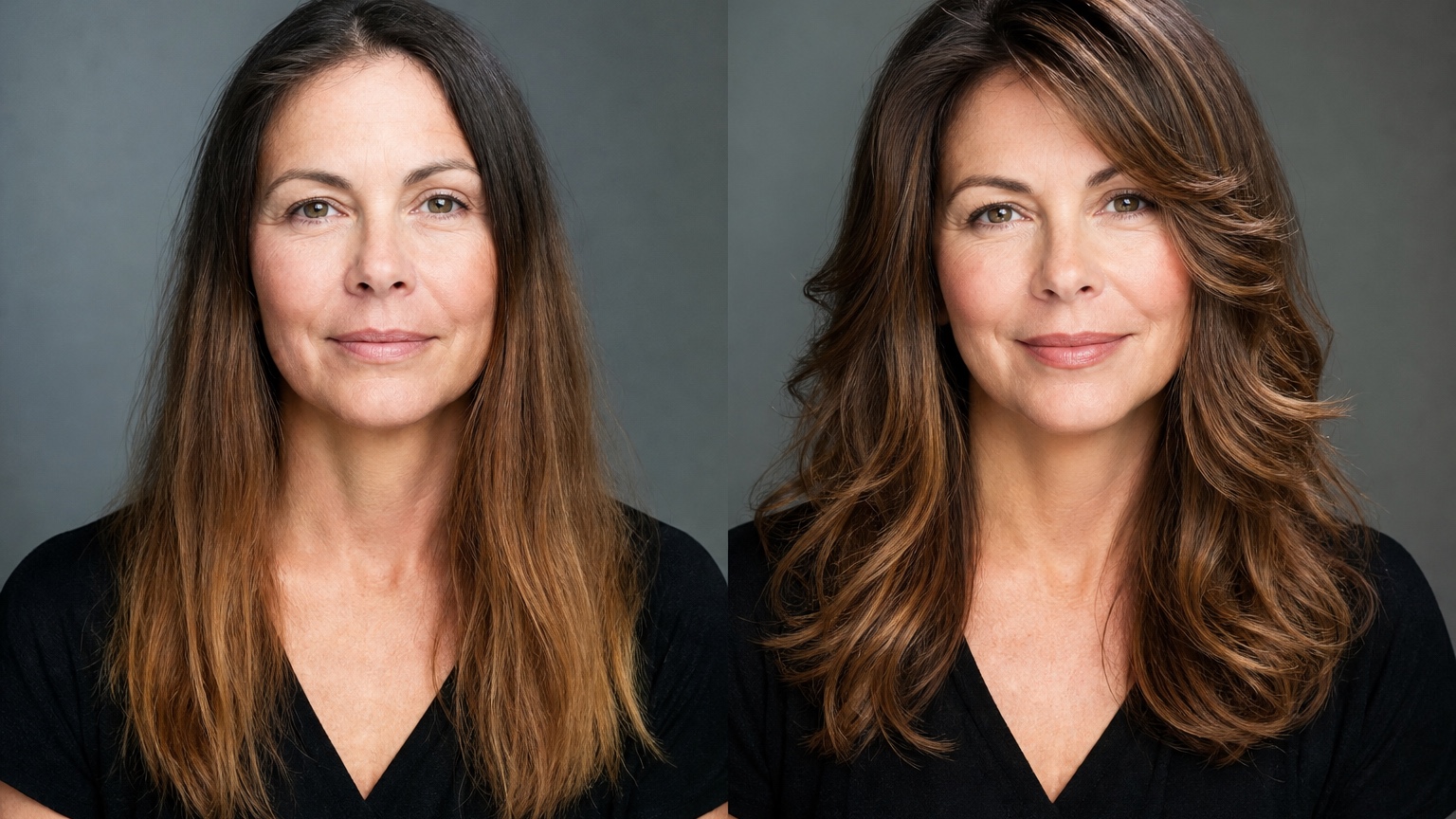
If you searched for AI hair makeover, the real need is not another gallery of perfect salon photos.For makeover planning, You need a way to turn your own face, hair length, texture, lighting, and constraints into a visual decision. This guide treats AI hair makeover as transformation planning for people who want a dramatic change but need realism before committing.For makeover planning, RedesAIgn helps with that because you can upload a photo, describe the change, remix/reference an idea, review generation history, and save prompts instead of losing the wording that produced a useful result.For makeover planning, The preview should not replace a stylist, barber, colorist, or photographer.For makeover planning, It should make the next conversation more concrete and less expensive to misunderstand.
For consumers, creators, the practical question is: will this hair direction support the outcome without creating a maintenance problem, awkward grow-out, color surprise, or photo mismatch?For makeover planning, A strong AI preview gives you a shareable reference before money or time is committed.For makeover planning, RedesAIgn starts with 5 free AI credits and no credit card, so a cautious user can test the workflow before buying one-time credit packs.
AI Hair Makeover: define the decision before the image
Start by naming the decision in plain language. For this batch, the decision is visual transformations, but the image still needs boundaries: current length, face framing, density, natural texture, color history, and how much daily styling you will actually do.
For makeover planning, a vague prompt such as 'make my hair better' usually creates a pretty but unusable result.For makeover planning, A better brief says what must stay recognizable, what can change, and what would make the result useful for the next step.For makeover planning, That difference matters because hairstyle images are judged on tiny details: part placement, weight around the jaw, fringe length, curl definition, color melt, and whether the final shape still looks like you.
For makeover planning, use RedesAIgn as a decision board rather than a magic answer.For makeover planning, Make one conservative option, one aspirational option, and one compromise option.For makeover planning, When those images sit next to each other, the best direction is often obvious for reasons that a text description would hide.
A realistic input checklist for AI hair makeover
For makeover planning, use a recent photo with soft natural light, visible hairline, and no heavy filters.For makeover planning, If the task involves face shape or salon discussion, include a straight-on angle; if the task involves length, layers, or extensions, add a side or three-quarter reference.For makeover planning, Avoid sunglasses, hats, wet hair, or dramatic shadows unless those are part of the intended shoot.
For makeover planning, write down non-negotiables before generating: keep length below the collarbone, avoid bleach near fragile ends, maintain curls, soften a square jaw, show a camera-ready wave, or preserve professional headshot credibility.For makeover planning, These constraints prevent the preview from drifting into a style that looks exciting online but fails in real life.
For makeover planning, redesAIgn supports prompt-based editing and reference/remix workflows, so you can combine your own photo with a style direction.For makeover planning, The strongest prompt names the exact hair change, the mood, and the practical context, not just a trend word.
Prompt structure: from vague hair idea to usable preview
For makeover planning, a reliable prompt has five parts: subject, current condition, target change, realism constraints, and review use.For makeover planning, For example, describe the person and photo angle, then specify the cut, color, styling finish, face framing, and why the preview is being made.For makeover planning, End with 'realistic hair texture, believable scalp and hairline, no text, no watermark' to reduce obvious artifacts.
Do not overload one generation with every option.For makeover planning, Compare controlled variations: side-swept curtain bangs versus soft face-framing layers, warm brunette gloss versus cool beige blonde, smooth blowout versus lived-in waves.For makeover planning, Controlled variation makes it easier to decide what changed the result.
Save the prompt that works.For makeover planning, RedesAIgn's saved prompts and generation history are useful because hair decisions often need a second pass after someone else reacts.For makeover planning, Without the prompt, a good preview becomes hard to reproduce or adjust.
Makeover planning: separate drama from feasibility
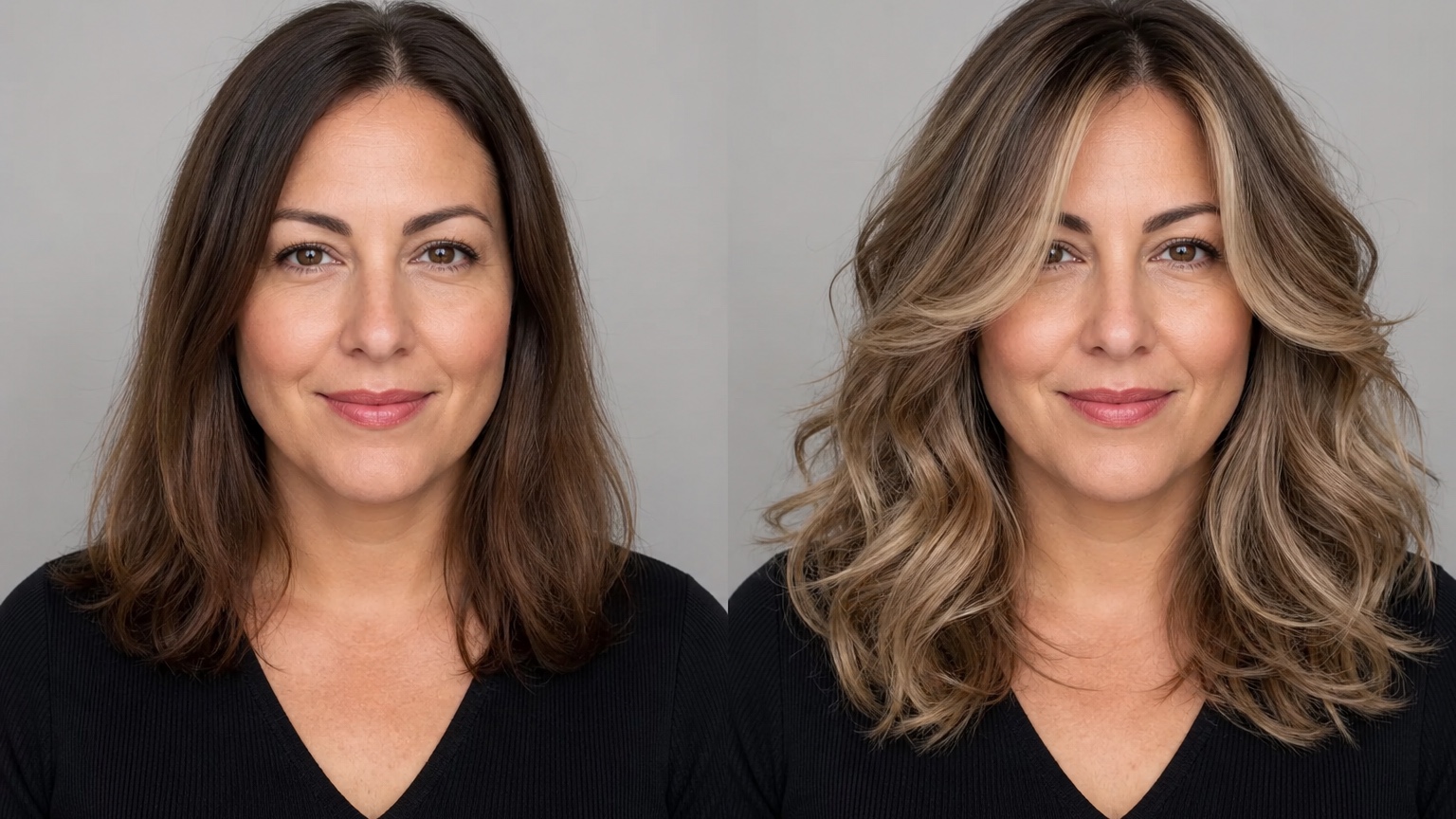
A makeover is tempting because it promises a new identity in one image. The risk is that dramatic previews can hide the cost of color correction, heat styling, extensions, or long-term upkeep. Use AI to separate what feels exciting from what can be lived with.
Generate a dramatic version, then a realistic version that respects current length and color level. If the realistic version still feels exciting, you have a stronger candidate. If only the fantasy version works, treat it as inspiration rather than an immediate appointment plan.
This is where before-and-after images help. They reveal whether the transformation improves the overall presence or simply looks different because the lighting, expression, and styling became more polished.
How to judge the generated hairstyle before acting
First, check identity and proportions.For makeover planning, The face should still feel recognizable, the hairline should not look painted, the part should make sense, and the volume should not float away from the head.For makeover planning, If the preview changes bone structure or skin texture more than hair, regenerate with stricter instructions.
Second, inspect maintenance.For makeover planning, A glossy copper bob, platinum money piece, or high-volume editorial wave can look great in a preview while requiring frequent appointments, heat styling, or color care.For makeover planning, Ask whether the result fits budget, time, hair health, and your tolerance for grow-out.
Third, translate image into action.For makeover planning, A stylist needs a service plan, not just a pretty picture: cut shape, length target, color family, placement, finish, and what to avoid.For makeover planning, A creator or photographer needs lighting, wardrobe, and camera notes.For makeover planning, Use the preview as a shared reference, then let a professional adjust the technical execution.
When AI hair makeover is especially useful
For makeover planning, use the workflow when the decision has emotional or financial risk: first bangs, a major chop, gray blending, bridal styling, brand photography, extensions, or a color shift that could affect skin tone. The point is to catch regret before it happens.
It is also valuable when several people must agree.For makeover planning, A salon client and stylist, a creator and photographer, a bride and beauty team, or a brand owner and social media manager can all react to the same visual.For makeover planning, That shared reference reduces circular conversations and makes feedback specific.
If the use case overlaps broader hair planning, compare this post with AI wedding hairstyle try-on and AI balayage simulator. For color-heavy decisions, review AI hairstyle changer. For event styling or polished content, AI hair color changer may give the better frame.
How to keep an AI hair makeover grounded
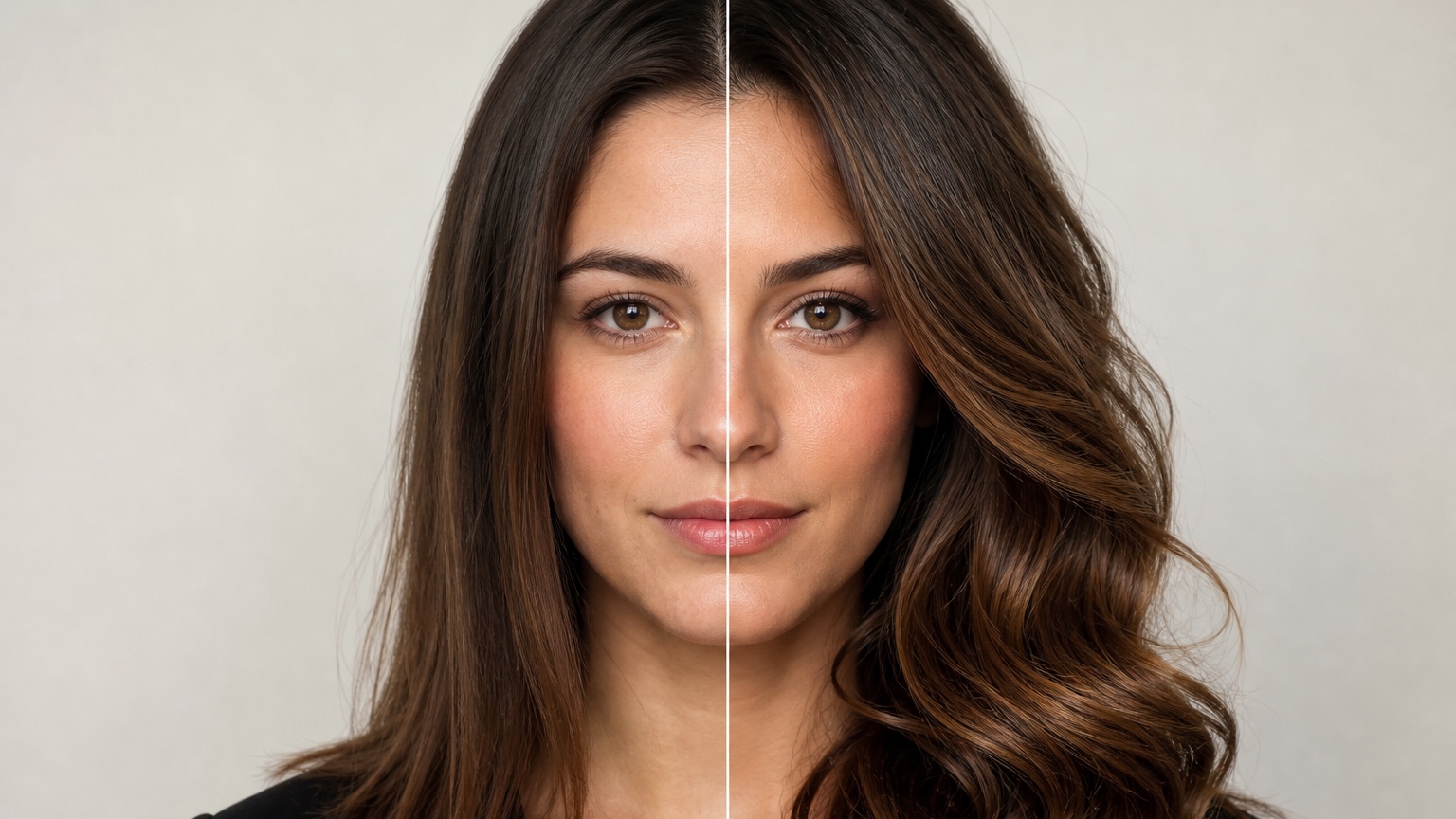
Before choosing a makeover, list what you like about your current hair. Maybe the length is practical, the curl pattern is part of your identity, or the dark root makes maintenance easier. Keeping one or two strengths prevents the makeover from becoming a total replacement of your look.
Then define the acceptable level of change. A soft refresh, a visible update, and a dramatic transformation are different decisions. If you generate all three, you can see whether the dramatic option is truly better or merely more novel.
The final check is lifestyle. A makeover that photographs beautifully but requires weekly styling, frequent toning, or constant product may not be the right answer. Use the AI image to ask better questions before the appointment.
Review checklist before sharing the AI hair makeover image
For makeover planning, before you share the preview, check whether it answers the question you started with.For makeover planning, If the question was about risk, the image should show the risky part clearly.For makeover planning, If the question was about communication, the image should be easy for another person to interpret without a long explanation.For makeover planning, If the question was about a paid appointment or shoot, the image should make the next decision simpler, not more confusing.
For makeover planning, look closely at the hairline, ears, neck, shoulders, and parting.For makeover planning, AI hairstyle images can look convincing at first glance while hiding small distortions that would mislead a stylist.For makeover planning, A useful preview does not need to be perfect, but it should be honest enough to discuss.For makeover planning, Regenerate any option where the hair texture looks plastic, the face changes too much, or the before-and-after comparison depends on lighting rather than hair.
For makeover planning, finally, write a one-sentence handoff under the image: what to keep, what to change, and what to avoid. That sentence turns the visual into a working brief.For makeover planning, RedesAIgn is most helpful when the saved image, saved prompt, and written note travel together, because each one catches a different kind of misunderstanding.
Final takeaway for AI hair makeover
The best AI hair makeover workflow is not about chasing the most dramatic AI output.For makeover planning, It is about making the next real-world step clearer: a salon conversation, a safer color discussion, a more coherent photoshoot plan, or a personal decision with less regret.For makeover planning, Use RedesAIgn to create realistic options, compare them honestly, save the useful prompts, and bring the best image into the conversation with the person who will help execute it. Start free in RedesAIgn with the makeover idea that feels most tempting, then compare it against a conservative alternative before you spend money.
Try these prompts in redesAIgn
Preview a soft layered haircut on this photo while keeping the face shape natural.
Try a subtle color change that still looks realistic in daylight.
Show a polished hairstyle option for a special event without changing identity.
Related guides
- AI Eyeshadow Try-On: Test Eye Looks Before Buying Products
Try eyeshadow looks on your selfie with RedesAIgn. Compare soft, bold, and event color stories before buying palettes or booking makeup.
- AI Lipstick Try-On: Preview Lip Colors on Your Photo
Try lipstick shades on your selfie with RedesAIgn. Compare everyday nudes and bold colors before buying products or locking a makeup look.
- AI Makeup Before and After Generator for Beauty Ideas
Create makeup before-and-after previews with RedesAIgn for clients, content, or appointment planning without overpromising final results.
- AI Makeup Filter From Photo: Create Realistic Beauty Look Concepts
Apply realistic makeup filters from your photo with RedesAIgn. Compare soft and glam looks before buying products or booking appointments.
- AI Soft Glam Makeup Ideas From Your Face Photo
Preview soft glam makeup looks on your selfie with RedesAIgn. Compare polished options before buying products or booking beauty appointments.