AI Personal Stylist: Get Outfit Ideas From Your Photo
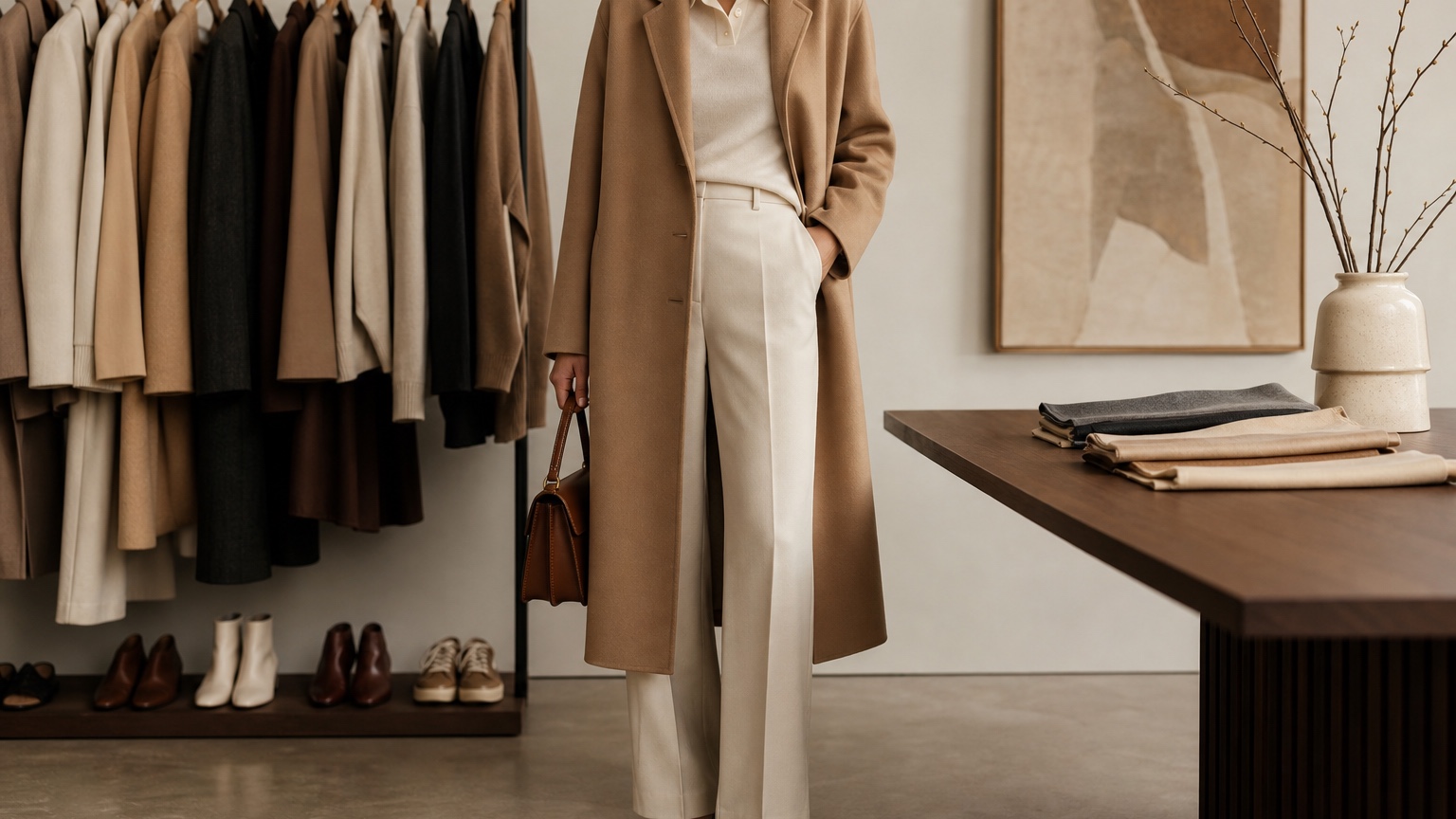
Personal styling becomes easier when advice is visible. A client may nod at words like balanced, polished, or elevated, but a photo-based concept gives the conversation a shared reference and a clearer next step. For people seeking style advice, consultants, and client-facing stylists, the expensive failure is usually specific: offering abstract advice that sounds smart but does not change the next outfit. A useful preview should turn that risk into a visible comparison, a short note, and a next action for client styling clarity.
RedesAIgn is a good fit for this early decision stage because it supports photo upload, prompt-based editing, remix and reference image workflows, saved prompts, and generation history across specialized AI editors for client styling clarity. The first test can stay lightweight because RedesAIgn starts with 5 free AI credits and no credit card required for client styling clarity. Treat each output as a planning draft, then check it against real fabric, fit, inventory, budget, brand rules, and human taste for client styling clarity.
Start with the consultation clarity decision
The practical question for AI personal stylist is how to make style guidance visible enough for a person to act on. Write that sentence at the top of the brief before generating anything for client styling clarity. It sounds simple, but it stops the workflow from drifting into attractive images that do not help a buyer, client, stylist, or seller act for client styling clarity.
The row research angle for this topic is: Rank as a practical buyer/problem guide for consumers, consultants who want style advice made visual; frame the post around visual decision-making, photo-based visualization, and clear next steps using redesAIgn. That private context should guide the article, but the final working brief should be even plainer for client styling clarity. For this post, the useful scene is a consultation where the client needs examples before trusting a new silhouette. If the preview does not help that scene, it is decoration rather than decision support for client styling clarity.
Use one source photo or reference set at a time for client styling clarity. If the garment, body position, lighting, and background all change together, you will not know what caused the improvement for client styling clarity. RedesAIgn's history view helps you compare versions, but only if the prompt changes are disciplined enough to read later for client styling clarity.
Prepare inputs that make the output judgeable for client consults
A judgeable input has clean lighting, visible garment boundaries, and enough context to answer the real question. For AI personal stylist, that means the source image should show the part of the body, garment, or product that controls the decision. A cropped top-only photo is weak if shoe balance matters for client styling clarity. A product flat lay is weak if the question is drape for client styling clarity. A busy background is weak if the store thumbnail must be clean for client styling clarity.
Before using credits, create a short checklist with these five notes: client comfort boundary, before-appointment note, silhouette explanation, confidence scale, and stylist handoff. The list is different for every fashion workflow, which is why adjacent posts should not share the same outline rhythm for client styling clarity. A boutique catalog preview needs merchandising evidence; a personal styling preview needs client confidence and boundaries for client styling clarity.
If you have a reference image, use it to anchor style vocabulary instead of copying a finished look blindly for client styling clarity. RedesAIgn's remix/reference capability is useful when a brand mood, capsule direction, or product silhouette already exists for client styling clarity. Keep the reference close enough to guide the output and loose enough to let the preview answer the current decision for client styling clarity.
Prompt in layers instead of adjectives for client consults
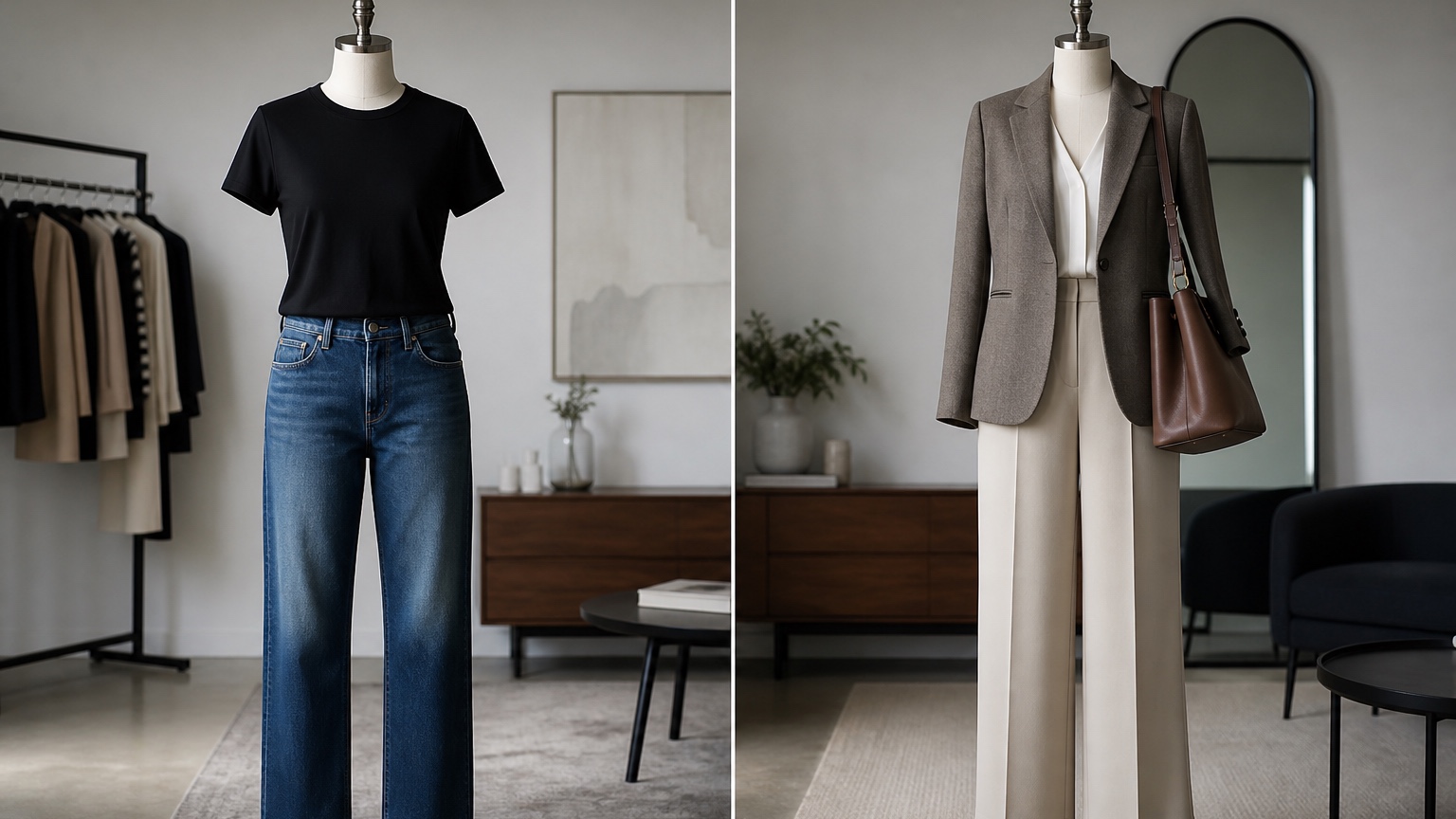
A weak prompt says "make it stylish." A stronger prompt names the subject, wardrobe change, setting, constraint, and evaluation rule. For AI personal stylist, the subject might be a product garment, a shopper photo, a capsule wardrobe candidate, or a creator portrait. The setting might be a boutique landing page, client appointment, travel capsule, or social content set for client styling clarity. The evaluation rule should say what success means.
Try a structure like this: source photo plus garment or outfit goal; occasion or sales context; color, silhouette, or styling constraint; and the question the output should answer for client styling clarity. If the goal is model-style content, ask whether the garment reads clearly for client styling clarity. If the goal is a mockup, ask whether placement and scale make sense for client styling clarity. If the goal is a wardrobe plan, ask whether the look belongs in the same week of outfits for client styling clarity.
Avoid terms that overpromise accuracy. Phrases such as exact fit, guaranteed tailoring, or perfect product replica create false confidence for client styling clarity. Better words are visual concept, outfit preview, model-style draft, mockup direction, and styling checkpoint for client styling clarity. That language protects trust when the image is shared with customers, clients, vendors, or collaborators for client styling clarity.
Compare the generated options like a reviewer for client consults
After generating a small set, pause before choosing the prettiest result. Score each image for decision fit, realism, communication value, source-photo respect, and next-step clarity for client styling clarity. The best option may be quieter than the most dramatic one because a quiet image can still tell a buyer what to order, a stylist what to pull, or a seller what to photograph for client styling clarity.
Use a different review question for each slug. For AI-personal-stylist, ask whether the output improves how to make style guidance visible enough for a person to act on. Then add one sentence under the winning image: "This direction wins because..." That sentence turns a generated picture into a brief for client styling clarity. Without the sentence, a team may admire the visual and still disagree about what to do next for client styling clarity.
If none of the options create a better next step, do not keep iterating randomly for client styling clarity. Return to the input checklist, simplify the prompt, and change only one variable for client styling clarity. Saved prompts are valuable here because you can preserve a working baseline and test a tighter variant without losing the thread for client styling clarity.
Where RedesAIgn belongs in the fashion workflow for client consults
RedesAIgn should sit before the expensive or irreversible step. That step might be ordering inventory, scheduling a shoot, buying clothes, booking a stylist, planning a campaign, or presenting a direction to a client for client styling clarity. The app can help visualize alternatives quickly, but it should not replace measurement, manufacturing knowledge, ethical product representation, or real try-on checks for client styling clarity.
The grounded product claims are straightforward: RedesAIgn includes specialized AI editors, prompt and photo workflows, remix/reference images, saved prompts, generation history, and one-time credit packs such as Starter, Pro, and Mega for client styling clarity. Commercial use is allowed when a business needs concept visuals for client styling clarity. These claims support a planning workflow without promising that every output is production-ready for client styling clarity.
Fashion topics also connect to adjacent RedesAIgn editors. A wardrobe concept may need hairstyle or makeup context. A boutique campaign may need social media variants. A travel capsule may connect to destination imagery. Thinking across the 10-editor scope helps users build a complete visual plan rather than a disconnected single image for client styling clarity.

Mistakes that make AI fashion previews misleading for client consults
The first mistake is using the preview as proof instead of exploration. A generated image can show a promising direction, but it cannot confirm fabric performance, exact sizing, product availability, or how a person feels wearing the item for client styling clarity. Keep the result labeled as a concept until the real-world checks happen for client styling clarity.
The second mistake is sharing a commercial image without context for client styling clarity. If a seller uses AI-assisted visuals internally, the team should know what is concept art, what is product photography, and what still requires confirmation for client styling clarity. Ethical presentation matters more when the visual influences a purchase decision for client styling clarity.
The third mistake is copying one prompt across every fashion decision for client styling clarity. The prompts for client comfort boundary and confidence scale should not read like the prompts for a suit try-on, dress try-on, or generic outfit generator. Each topic deserves its own constraint, review lens, and handoff note for client styling clarity.
A practical workflow for AI personal stylist
- Name the decision: how to make style guidance visible enough for a person to act on.
- Choose a source photo or reference set that exposes the important garment or body context for client styling clarity.
- Write one prompt with subject, wardrobe goal, setting, constraint, and evaluation rule for client styling clarity.
- Generate a small group of concepts rather than endless random variations for client styling clarity.
- Score outputs for realism, decision fit, communication value, source respect, and next action for client styling clarity.
- Save the best prompt in RedesAIgn and write the handoff sentence below the image for client styling clarity.
- Validate the idea with product details, measurements, client feedback, inventory, styling judgment, or photography plans for client styling clarity.
This workflow keeps the AI editor in the role where it is most useful for client styling clarity. It reduces uncertainty before a person spends money, commits to a look, or publishes a visual for client styling clarity. Upload a clear client or self photo to RedesAIgn, test one styling recommendation at a time, and use the strongest image as a conversation brief.
Related RedesAIgn next steps for client consults
If this preview becomes part of a broader fashion plan, compare it with AI Clothes Try On, AI Outfit Generator From Photo, AI Virtual Try On Clothes, and AI Dress Try On. Each guide focuses on a different decision, so client styling clarity stays separate from product mockups and quick outfit swaps.
The final test is whether the image makes the next conversation easier for client styling clarity. For a shopper, that may mean ordering one item instead of three for client styling clarity. For a stylist, it may mean a clearer client appointment for client styling clarity. For a seller, it may mean a smarter shot list for client styling clarity. Begin with the free credits if you want to test the workflow, keep the strongest prompts in history, and use the preview as a practical bridge between vague inspiration and a more confident fashion decision for client styling clarity.
Try these prompts in redesAIgn
Try this outfit on the person in the photo with a tailored fit and natural lighting.
Restyle the look with a different color palette while keeping the same pose.
Show a polished full-outfit preview suitable for content or shopping decisions.
Related guides
- AI Ecommerce Clothing Photos for Small Fashion Stores
Create ecommerce clothing photo concepts with RedesAIgn so product visuals are clearer before shoots, samples, or listing page updates.
- AI Fashion Photoshoot Ideas Without a Studio
Plan fashion photoshoot concepts with RedesAIgn. Preview styling directions for catalogs, lookbooks, or campaigns before the shoot day.
- AI Outfit Ideas for Photoshoots: Plan Looks Before You Shoot
Plan outfit ideas for photoshoots with RedesAIgn. Compare looks from your photo before shopping, fittings, or locking the final shot list.
- AI Try-On Jacket: See Outerwear Styles Before Buying
Use AI try on jacket workflows in RedesAIgn to compare realistic fashion visuals, product-photo directions, and photoshoot styling before committing.
- AI Try-On Shirt: Preview Shirts on Your Photo
Use AI try on shirt workflows in RedesAIgn to compare realistic fashion visuals, product-photo directions, and photoshoot styling before committing budget.