AI Try-On Shirt: Preview Shirts on Your Photo
Last updated: March 19, 2026.
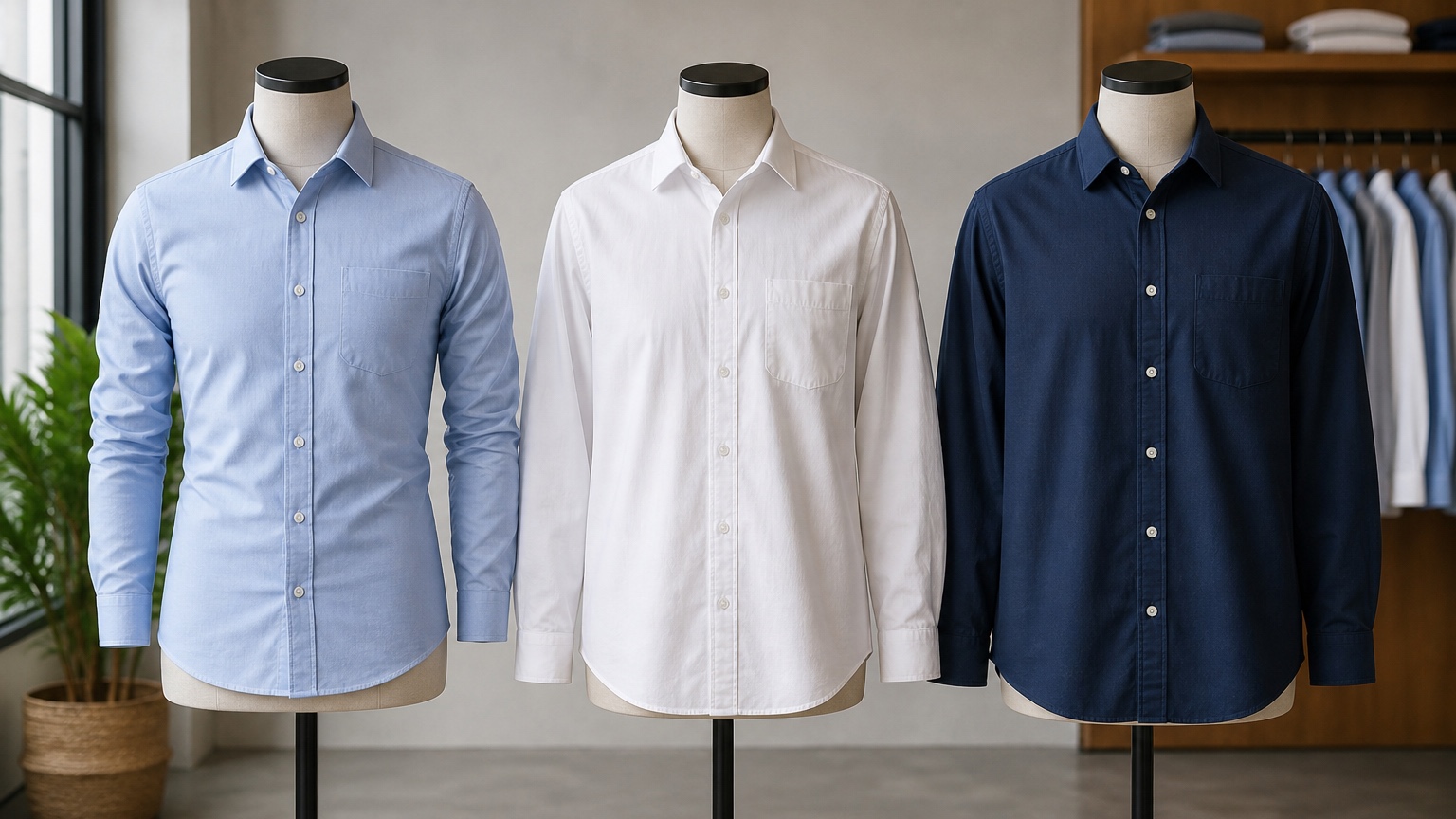
Ai Try On Shirt is useful only when it helps shoppers, stylists, and sellers make a concrete visual decision. The article below uses the shirt color shortlist frame, which asks whether which shirt cut and color works on a real person before buying, returning, or publishing a product page. For shirts, the practical loop is a stable waist-up photo, a small color or collar set, side-by-side comparison, and a shopping or styling note.
RedesAIgn gives shirt decisions a Fashion / Clothes Try-On workspace with prompt revisions, references, remix options, saved prompts, and history for comparing cuts and colors. A shirt preview can clarify color and proportion quickly, but it cannot prove exact sizing, fabric feel, tailoring, stock, or return-policy details. Use it to shorten the debate before ordering three sizes or briefing a stylist.
What an AI shirt try-on should decide
A shirt decision sounds simple until color, collar, sleeve, and body proportion all interact at once. In the shirt color shortlist frame, start by naming the one business or style decision the image must answer: which shirt cut and color works on a real person before buying, returning, or publishing a product page. Write that decision beside the original photo before opening RedesAIgn, because a clear brief prevents the tool from turning AI try on shirt into unrelated styling noise. The first generation should preserve the source identity, garment category, and usable camera angle while changing only the variables that matter for neckline shape and sleeve length.
A stronger prompt for AI Try-On Shirt: Preview Shirts on Your Photo usually works in three layers. First, describe the fixed person photo: shoulder angle, visible torso, lighting, hair boundary, and the features that should remain unchanged. Second, name the shirt outcome in terms of collar, sleeve, fabric weight, color family, and occasion. Third, add review criteria tied to skin-tone contrast and occasion notes. That makes shirt tests easier because each generation changes color, collar, or fit instead of scrambling the whole look.
Keep the preview narrow enough that the shopper can say yes, no, or revise. Review the output like a shopper deciding whether a shirt deserves a try-on order. Check collar placement, placket lines, sleeve break, shoulder fit, shadows, and whether the shirt follows the original pose. Save the useful result even when it is not the most dramatic image, because the job of AI try on shirt is to reduce uncertainty before money or production time is committed. If the preview changes body shape, invents branding, adds text, or makes cotton behave like plastic, revise the preservation notes and compare the next version in history.
Input checklist for a believable shirt preview
A stronger prompt for AI Try-On Shirt: Preview Shirts on Your Photo usually works in three layers. First, describe the fixed person photo: shoulder angle, visible torso, lighting, hair boundary, and the features that should remain unchanged. Second, name the shirt outcome in terms of collar, sleeve, fabric weight, color family, and occasion. Third, add review criteria tied to skin-tone contrast and occasion notes. That makes shirt tests easier because each generation changes color, collar, or fit instead of scrambling the whole look.
Keep the preview narrow enough that the shopper can say yes, no, or revise. Review the output like a shopper deciding whether a shirt deserves a try-on order. Check collar placement, placket lines, sleeve break, shoulder fit, shadows, and whether the shirt follows the original pose. Save the useful result even when it is not the most dramatic image, because the job of AI try on shirt is to reduce uncertainty before money or production time is committed. If the preview changes body shape, invents branding, adds text, or makes cotton behave like plastic, revise the preservation notes and compare the next version in history.
A shirt decision sounds simple until color, collar, sleeve, and body proportion all interact at once. In the shirt color shortlist frame, start by naming the one business or style decision the image must answer: which shirt cut and color works on a real person before buying, returning, or publishing a product page. Write that decision beside the original photo before opening RedesAIgn, because a clear brief prevents the tool from turning AI try on shirt into unrelated styling noise. The first generation should preserve the source identity, garment category, and usable camera angle while changing only the variables that matter for neckline shape and sleeve length.
Comparing shirt colors without confusing the model photo
Keep the preview narrow enough that the shopper can say yes, no, or revise. Review the output like a shopper deciding whether a shirt deserves a try-on order. Check collar placement, placket lines, sleeve break, shoulder fit, shadows, and whether the shirt follows the original pose. Save the useful result even when it is not the most dramatic image, because the job of AI try on shirt is to reduce uncertainty before money or production time is committed. If the preview changes body shape, invents branding, adds text, or makes cotton behave like plastic, revise the preservation notes and compare the next version in history.
A shirt decision sounds simple until color, collar, sleeve, and body proportion all interact at once. In the shirt color shortlist frame, start by naming the one business or style decision the image must answer: which shirt cut and color works on a real person before buying, returning, or publishing a product page. Write that decision beside the original photo before opening RedesAIgn, because a clear brief prevents the tool from turning AI try on shirt into unrelated styling noise. The first generation should preserve the source identity, garment category, and usable camera angle while changing only the variables that matter for neckline shape and sleeve length.
A stronger prompt for AI Try-On Shirt: Preview Shirts on Your Photo usually works in three layers. First, describe the fixed person photo: shoulder angle, visible torso, lighting, hair boundary, and the features that should remain unchanged. Second, name the shirt outcome in terms of collar, sleeve, fabric weight, color family, and occasion. Third, add review criteria tied to skin-tone contrast and occasion notes. That makes shirt tests easier because each generation changes color, collar, or fit instead of scrambling the whole look.
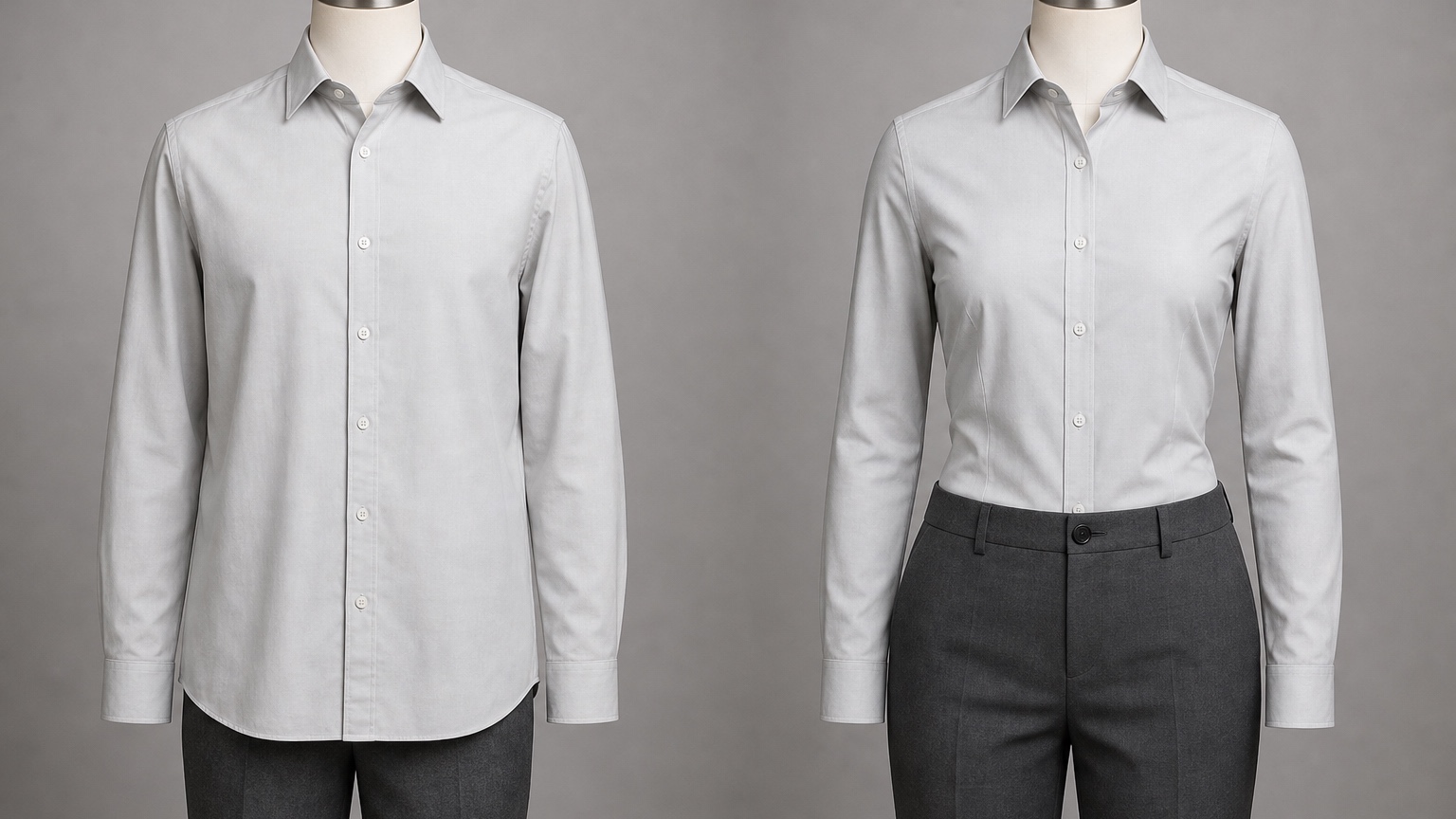
Fit and styling details to inspect
A shirt decision sounds simple until color, collar, sleeve, and body proportion all interact at once. In the shirt color shortlist frame, start by naming the one business or style decision the image must answer: which shirt cut and color works on a real person before buying, returning, or publishing a product page. Write that decision beside the original photo before opening RedesAIgn, because a clear brief prevents the tool from turning AI try on shirt into unrelated styling noise. The first generation should preserve the source identity, garment category, and usable camera angle while changing only the variables that matter for neckline shape and sleeve length.
A stronger prompt for AI Try-On Shirt: Preview Shirts on Your Photo usually works in three layers. First, describe the fixed person photo: shoulder angle, visible torso, lighting, hair boundary, and the features that should remain unchanged. Second, name the shirt outcome in terms of collar, sleeve, fabric weight, color family, and occasion. Third, add review criteria tied to skin-tone contrast and occasion notes. That makes shirt tests easier because each generation changes color, collar, or fit instead of scrambling the whole look.
Keep the preview narrow enough that the shopper can say yes, no, or revise. Review the output like a shopper deciding whether a shirt deserves a try-on order. Check collar placement, placket lines, sleeve break, shoulder fit, shadows, and whether the shirt follows the original pose. Save the useful result even when it is not the most dramatic image, because the job of AI try on shirt is to reduce uncertainty before money or production time is committed. If the preview changes body shape, invents branding, adds text, or makes cotton behave like plastic, revise the preservation notes and compare the next version in history.
RedesAIgn workflow for shirt variations
A stronger prompt for AI Try-On Shirt: Preview Shirts on Your Photo usually works in three layers. First, describe the fixed person photo: shoulder angle, visible torso, lighting, hair boundary, and the features that should remain unchanged. Second, name the shirt outcome in terms of collar, sleeve, fabric weight, color family, and occasion. Third, add review criteria tied to skin-tone contrast and occasion notes. That makes shirt tests easier because each generation changes color, collar, or fit instead of scrambling the whole look.
Keep the preview narrow enough that the shopper can say yes, no, or revise. Review the output like a shopper deciding whether a shirt deserves a try-on order. Check collar placement, placket lines, sleeve break, shoulder fit, shadows, and whether the shirt follows the original pose. Save the useful result even when it is not the most dramatic image, because the job of AI try on shirt is to reduce uncertainty before money or production time is committed. If the preview changes body shape, invents branding, adds text, or makes cotton behave like plastic, revise the preservation notes and compare the next version in history.
A shirt decision sounds simple until color, collar, sleeve, and body proportion all interact at once. In the shirt color shortlist frame, start by naming the one business or style decision the image must answer: which shirt cut and color works on a real person before buying, returning, or publishing a product page. Write that decision beside the original photo before opening RedesAIgn, because a clear brief prevents the tool from turning AI try on shirt into unrelated styling noise. The first generation should preserve the source identity, garment category, and usable camera angle while changing only the variables that matter for neckline shape and sleeve length.
Where AI shirt previews can mislead shoppers
Keep the preview narrow enough that the shopper can say yes, no, or revise. Review the output like a shopper deciding whether a shirt deserves a try-on order. Check collar placement, placket lines, sleeve break, shoulder fit, shadows, and whether the shirt follows the original pose. Save the useful result even when it is not the most dramatic image, because the job of AI try on shirt is to reduce uncertainty before money or production time is committed. If the preview changes body shape, invents branding, adds text, or makes cotton behave like plastic, revise the preservation notes and compare the next version in history.
A shirt decision sounds simple until color, collar, sleeve, and body proportion all interact at once. In the shirt color shortlist frame, start by naming the one business or style decision the image must answer: which shirt cut and color works on a real person before buying, returning, or publishing a product page. Write that decision beside the original photo before opening RedesAIgn, because a clear brief prevents the tool from turning AI try on shirt into unrelated styling noise. The first generation should preserve the source identity, garment category, and usable camera angle while changing only the variables that matter for neckline shape and sleeve length.
A stronger prompt for AI Try-On Shirt: Preview Shirts on Your Photo usually works in three layers. First, describe the fixed person photo: shoulder angle, visible torso, lighting, hair boundary, and the features that should remain unchanged. Second, name the shirt outcome in terms of collar, sleeve, fabric weight, color family, and occasion. Third, add review criteria tied to skin-tone contrast and occasion notes. That makes shirt tests easier because each generation changes color, collar, or fit instead of scrambling the whole look.
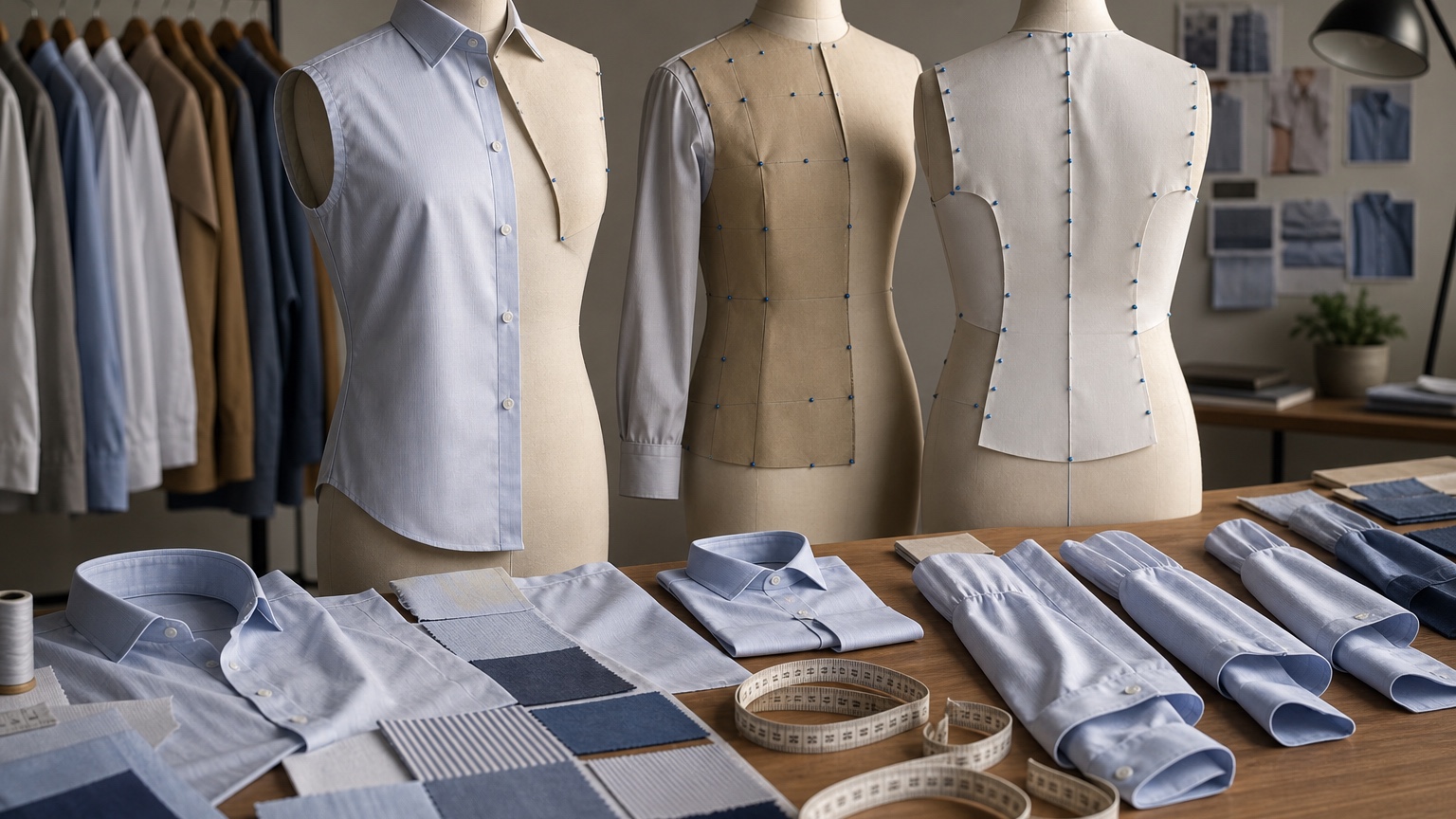
Next steps after choosing a shirt direction
A shirt decision sounds simple until color, collar, sleeve, and body proportion all interact at once. In the shirt color shortlist frame, start by naming the one business or style decision the image must answer: which shirt cut and color works on a real person before buying, returning, or publishing a product page. Write that decision beside the original photo before opening RedesAIgn, because a clear brief prevents the tool from turning AI try on shirt into unrelated styling noise. The first generation should preserve the source identity, garment category, and usable camera angle while changing only the variables that matter for neckline shape and sleeve length.
A stronger prompt for AI Try-On Shirt: Preview Shirts on Your Photo usually works in three layers. First, describe the fixed person photo: shoulder angle, visible torso, lighting, hair boundary, and the features that should remain unchanged. Second, name the shirt outcome in terms of collar, sleeve, fabric weight, color family, and occasion. Third, add review criteria tied to skin-tone contrast and occasion notes. That makes shirt tests easier because each generation changes color, collar, or fit instead of scrambling the whole look.
Keep the preview narrow enough that the shopper can say yes, no, or revise. Review the output like a shopper deciding whether a shirt deserves a try-on order. Check collar placement, placket lines, sleeve break, shoulder fit, shadows, and whether the shirt follows the original pose. Save the useful result even when it is not the most dramatic image, because the job of AI try on shirt is to reduce uncertainty before money or production time is committed. If the preview changes body shape, invents branding, adds text, or makes cotton behave like plastic, revise the preservation notes and compare the next version in history.
How to use the winning preview
When one shirt direction wins, convert it into a shopping shortlist. The shopper can record sizes to order, colors to skip, collar preferences, and retailer questions. A seller can translate the same result into a product-page variation or merchandising note. A stylist can use it to pull two shirt options instead of ten. The selected image is not a fitting-room guarantee; it is the most specific brief for the next step.
Start with a low-risk RedesAIgn pass
Use RedesAIgn as a quick shirt comparison board: the free start gives 5 AI credits with no credit card required, so the first shortlist can happen before checkout. Commercial use is available for seller or stylist workflows, with one-time credit packs for larger shirt comparison sets.
Related RedesAIgn guides: AI clothes try on, AI outfit generator from photo, and AI fashion model generator.
Try these prompts in redesAIgn
Try this outfit on the person in the photo with a tailored fit and natural lighting.
Restyle the look with a different color palette while keeping the same pose.
Show a polished full-outfit preview suitable for content or shopping decisions.
Related guides
- AI Ecommerce Clothing Photos for Small Fashion Stores
Create ecommerce clothing photo concepts with RedesAIgn so product visuals are clearer before shoots, samples, or listing page updates.
- AI Fashion Photoshoot Ideas Without a Studio
Plan fashion photoshoot concepts with RedesAIgn. Preview styling directions for catalogs, lookbooks, or campaigns before the shoot day.
- AI Outfit Ideas for Photoshoots: Plan Looks Before You Shoot
Plan outfit ideas for photoshoots with RedesAIgn. Compare looks from your photo before shopping, fittings, or locking the final shot list.
- AI Try-On Jacket: See Outerwear Styles Before Buying
Use AI try on jacket workflows in RedesAIgn to compare realistic fashion visuals, product-photo directions, and photoshoot styling before committing.
- AI Capsule Wardrobe Generator: Visualize Mix-and-Match Outfits
Use AI capsule wardrobe generator in RedesAIgn to compare realistic fashion options before shopping, booking, styling, or sharing a brief.