AI Dress Try-On: See Dresses on Your Photo Before Buying
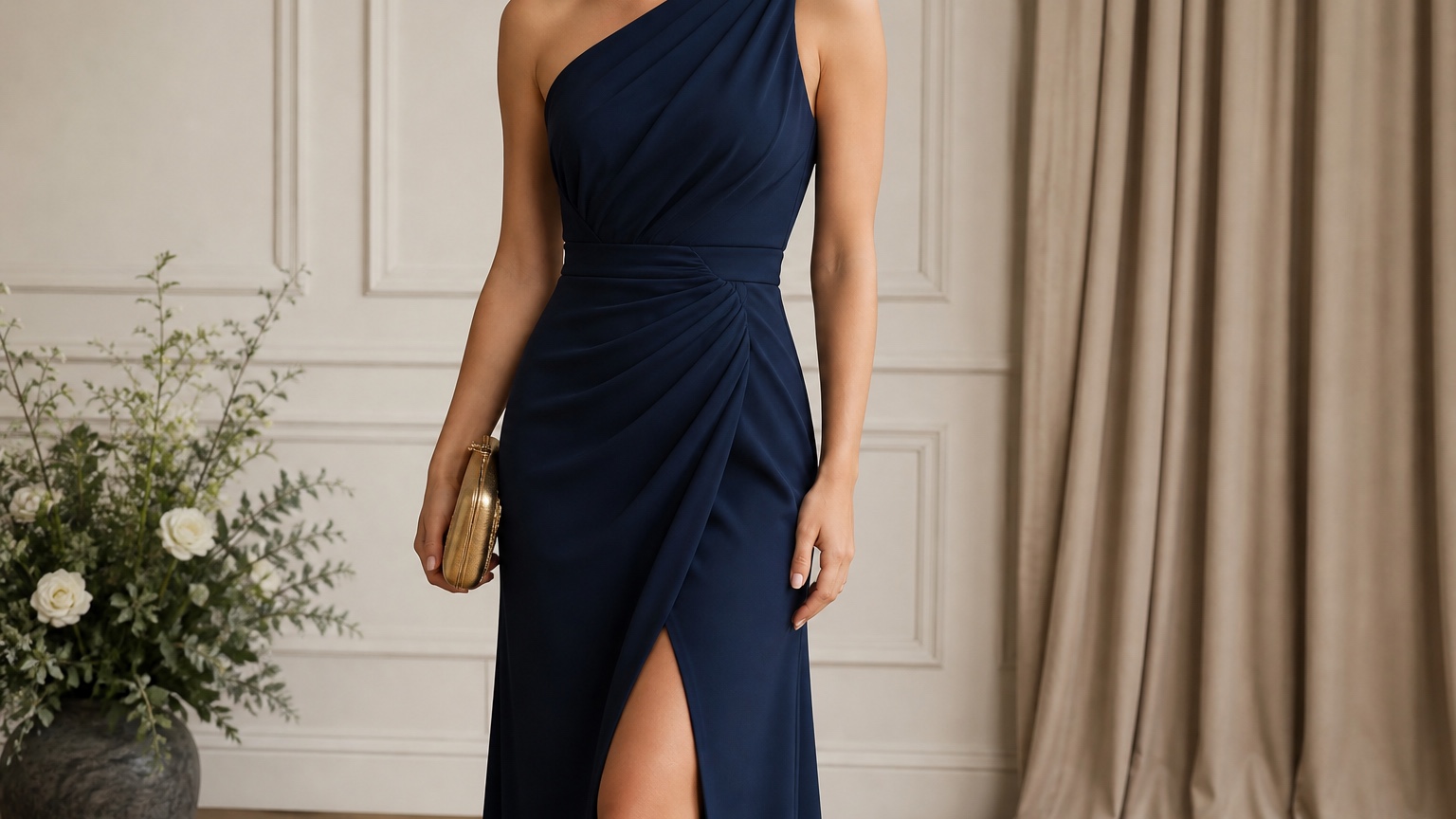
A useful AI dress try on workflow is not about pretending a generated image is a guaranteed fitting-room result. It is about making a better next decision before you buy, book, style, return, or explain the look to someone else, for the occasion-dress decision. For event shoppers, bridal shops, and boutique consultants, the expensive part is often the uncertainty: falling for drama in the dress photo while missing movement, setting, and accessory issues. A fast AI preview can expose that uncertainty early enough to change the plan, for the occasion-dress decision.
RedesAIgn fits that early decision stage because it lets you upload a photo, test prompt directions, use remix or reference images, save prompts, and keep generation history while you compare options, for the occasion-dress decision. It starts free with 5 AI credits and no credit card required, so the first experiment can be a small visual checklist instead of a full styling commitment, for the occasion-dress decision. Treat the image as a planning draft, then use your judgment, measurements, fabric knowledge, and real-world try-on where it matters, for the occasion-dress decision.
Start with the decision, not the fantasy image
The strongest AI dress try on prompt begins with a real choice. In this post the choice is choosing a dress for a specific room, light, and occasion. That framing matters because fashion images can become vague very quickly, for the occasion-dress decision. If the only goal is "make this look stylish," almost any attractive output seems acceptable, for the occasion-dress decision. If the goal is to decide whether a jacket balances wide-leg trousers, whether a dress fits a candlelit venue, or whether a suit color works for a morning interview, the preview has a job, for the occasion-dress decision.
Write the decision in one sentence before opening the editor, for the occasion-dress decision. For example: "I need to know whether this silhouette feels polished enough for a client dinner without buying two sizes, for the occasion-dress decision." That sentence becomes the quality bar for every generated version, for the occasion-dress decision. You are not ranking images by novelty; you are asking which option reduces the practical risk, for the occasion-dress decision.
A good starting photo helps. Use a clear, front-facing image with natural posture, visible body proportions, and lighting that does not hide the edges of the clothing, for the occasion-dress decision. If you are helping a customer or client, ask for permission and keep the context respectful, for the occasion-dress decision. RedesAIgn can create fast concepts, but it cannot repair a chaotic source photo into perfect measurement data, for the occasion-dress decision. Better inputs make the comparison more useful.
Build a source-photo checklist before generating
Before you spend credits, inspect the photo like a stylist would inspect a fitting-room mirror, for the occasion-dress decision. Is the person standing naturally? Are shoes visible if the outfit depends on proportion? Does the hair cover a neckline that matters? Is the background simple enough that the clothing remains the subject, for the occasion-dress decision? These details sound basic, yet they often decide whether the AI preview clarifies or distracts, for the occasion-dress decision.
For wedding guest, prom, gala, or brand-event dress review, create three notes: the occasion, the comfort constraint, and the non-negotiable item. The occasion might be a work presentation, a product shoot, or a guest dress for an outdoor wedding, for the occasion-dress decision. The comfort constraint might be sleeve coverage, movement, climate, modesty, or footwear, for the occasion-dress decision. The non-negotiable item could be a pair of boots, a handbag, a brand color, or a garment already owned, for the occasion-dress decision. Put those notes directly into the prompt.
RedesAIgn's saved prompts and generation history are useful here. Once a prompt gives a plausible direction, save it instead of rewriting from memory, for the occasion-dress decision. Then change only one variable at a time: color, silhouette, layer, accessory, or setting, for the occasion-dress decision. That small change discipline prevents the common problem where every preview looks exciting but no comparison is trustworthy, for the occasion-dress decision.
Prompt structure that keeps the preview honest
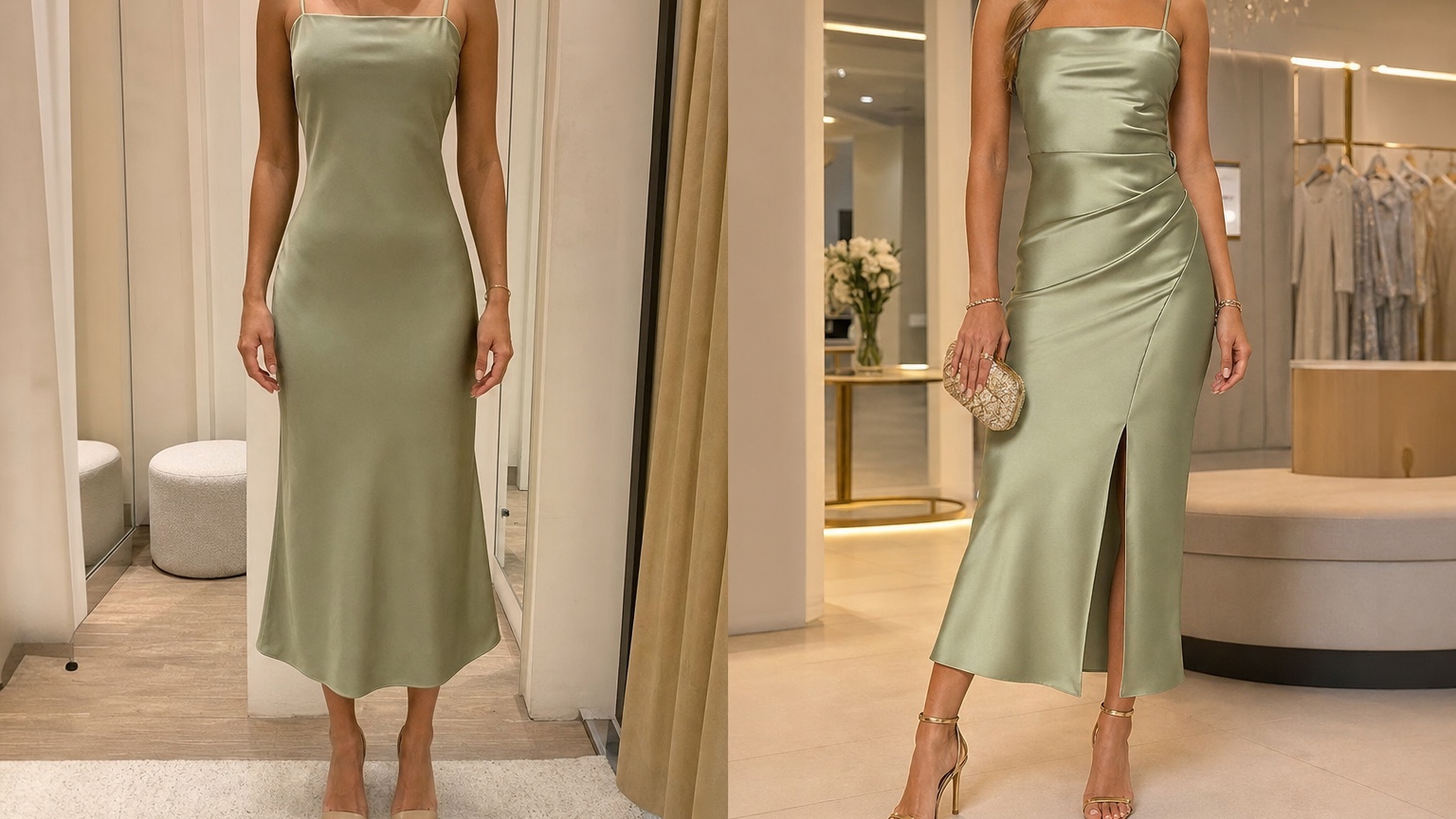
A practical prompt has four parts: the person or garment, the target style, the setting, and the evaluation constraint, for the occasion-dress decision. Instead of asking for "a fashionable outfit," describe the outcome: "polished navy suit for a daytime interview, slim but not tight fit, simple white shirt, brown shoes, neutral office background, for the occasion-dress decision." For a dress, name the event and room. For ecommerce clothing, include the garment category and the body-proportion question you are trying to answer, for the occasion-dress decision.
Use reference images when the style has a specific visual vocabulary, for the occasion-dress decision. A boutique may have a brand mood board. A shopper may have a saved product image. A stylist may have a previous look that worked. RedesAIgn's remix/reference workflow can help keep the output anchored to that direction while still testing new combinations, for the occasion-dress decision. Reference images should guide the concept; they should not become an excuse to ignore fit, fabric, or real availability, for the occasion-dress decision.
Avoid prompt language that creates false certainty. Words like "perfect fit" or "exact tailoring" make the image sound more authoritative than it is, for the occasion-dress decision. Better terms are "visual concept," "try-on preview," "styling direction," and "fit risk check, for the occasion-dress decision." This keeps expectations clear when you share the result with a client, shopper, tailor, or teammate, for the occasion-dress decision.
Compare outputs with a scoring pass
After generating options, do not pick the prettiest image immediately, for the occasion-dress decision. Run a short scoring pass. Give each output one point for occasion fit, one for proportion, one for color harmony, one for practicality, and one for communication value, for the occasion-dress decision. The last category matters because many AI dress try on previews are used to explain a direction to someone else: a spouse, client, stylist, boutique associate, photographer, or tailor.
If two concepts tie, choose the one that creates a clearer next action, for the occasion-dress decision. Maybe it tells you to order the darker color, bring a blazer to the appointment, skip a trend, ask for alterations, or photograph the garment against a cleaner background, for the occasion-dress decision. The useful answer is the next step, not a decorative AI image, for the occasion-dress decision. That is why a modest but precise preview can beat a dramatic output that would be difficult to execute, for the occasion-dress decision.
For team use, write one sentence under the winning image: "This is the direction because, for the occasion-dress decision..." That explanation turns the generated visual into a brief. A boutique can hand it to a merchandiser, a stylist can discuss it with a client, and a shopper can compare it against a product page without starting from scratch, for the occasion-dress decision.
Where RedesAIgn helps in the fashion workflow
RedesAIgn is most helpful before the expensive step, for the occasion-dress decision. For shoppers, that can mean before checkout, tailoring, or a final appointment, for the occasion-dress decision. For stylists, it can mean before creating a deck or pulling inventory, for the occasion-dress decision. For boutiques, it can mean before deciding which outfit combinations deserve photography, ads, or window display attention, for the occasion-dress decision. The editor is fast enough to test several visual directions while the decision is still flexible, for the occasion-dress decision.
The product claims should stay grounded: RedesAIgn offers specialized AI editors, prompt-based editing, remix/reference image workflows, saved prompts, and generation history, for the occasion-dress decision. It also has one-time credit packs, including Starter, Pro, and Mega options, and commercial use is allowed when a business needs concept visuals, for the occasion-dress decision. Those are planning features, not promises that an AI image replaces a tailor, manufacturer, photographer, or fitting room, for the occasion-dress decision.
Use the 10-editor scope to your advantage. A fashion preview may connect naturally to hairstyle, makeup, social media, or travel content, for the occasion-dress decision. A dress decision might need a makeup look later. A suit test might become a LinkedIn headshot concept. A boutique campaign might need social variations. Keeping those adjacent editors in mind helps you plan a complete visual story rather than a one-off image, for the occasion-dress decision.
Common mistakes to avoid
The first mistake is changing too many variables at once, for the occasion-dress decision. If one preview changes the garment, pose, background, color palette, and accessories, you cannot tell which choice improved the look, for the occasion-dress decision. Keep a stable base and test one meaningful difference.
The second mistake is ignoring the source photo. A generated outfit on a stiff pose may look better than it would in motion, for the occasion-dress decision. If movement matters, create another prompt that mentions sitting, walking, dancing, presenting, or travel, for the occasion-dress decision. If climate matters, include outerwear, fabric weight, or shoe practicality, for the occasion-dress decision. If the garment has to match inventory, keep the prompt close to real product options, for the occasion-dress decision.
The third mistake is treating the image as social proof before it is reviewed, for the occasion-dress decision. For commercial use, label internal concepts clearly, avoid misleading before/after claims, and make sure the final public image aligns with your real product or service, for the occasion-dress decision. RedesAIgn can support commercial visual planning, but ethical presentation still belongs to the business using it, for the occasion-dress decision.
A practical AI dress try on workflow
- Choose one decision and write it plainly: choosing a dress for a specific room, light, and occasion.
- Upload the clearest available photo and remove avoidable distractions from the brief, for the occasion-dress decision.
- Prompt for the occasion, style direction, setting, and constraint.
- Generate a small set of concepts instead of chasing endless variations, for the occasion-dress decision.
- Score the outputs for proportion, color, practicality, occasion fit, and communication value, for the occasion-dress decision.
- Save the winning prompt and note what real-world step it supports, for the occasion-dress decision.
- Validate the idea with measurements, fabric, tailoring, inventory, budget, or a real try-on, for the occasion-dress decision.
This workflow keeps the AI editor in the right role, for the occasion-dress decision. It is a fast visual thinking tool, not a replacement for taste or physical garment knowledge, for the occasion-dress decision. When used that way, it can reduce hesitation and make the next human step more focused, for the occasion-dress decision.
Internal next steps and related planning
If this topic is part of a broader wardrobe or commerce project, compare it with related RedesAIgn guides such as Ai Outfit Generator From Photo, Ai Virtual Try On Clothes, and Ai Suit Try On. Each adjacent workflow answers a slightly different question, so do not reuse the same prompt for every fashion decision, for the occasion-dress decision.
The final test is simple: would this preview make the next conversation easier, for the occasion-dress decision? If yes, it has done its job. If no, tighten the source photo, simplify the prompt, and ask for a more specific comparison, for the occasion-dress decision. RedesAIgn can help you preview several dress directions before booking alterations, buying accessories, or scheduling a shop visit. You can begin with the free credits, keep the best prompts in your history, and move from vague inspiration to a more confident fashion decision, for the occasion-dress decision.
Try these prompts in redesAIgn
Try this outfit on the person in the photo with a tailored fit and natural lighting.
Restyle the look with a different color palette while keeping the same pose.
Show a polished full-outfit preview suitable for content or shopping decisions.
Related guides
- AI Ecommerce Clothing Photos for Small Fashion Stores
Create ecommerce clothing photo concepts with RedesAIgn so product visuals are clearer before shoots, samples, or listing page updates.
- AI Fashion Photoshoot Ideas Without a Studio
Plan fashion photoshoot concepts with RedesAIgn. Preview styling directions for catalogs, lookbooks, or campaigns before the shoot day.
- AI Outfit Ideas for Photoshoots: Plan Looks Before You Shoot
Plan outfit ideas for photoshoots with RedesAIgn. Compare looks from your photo before shopping, fittings, or locking the final shot list.
- AI Try-On Jacket: See Outerwear Styles Before Buying
Use AI try on jacket workflows in RedesAIgn to compare realistic fashion visuals, product-photo directions, and photoshoot styling before committing.
- AI Try-On Shirt: Preview Shirts on Your Photo
Use AI try on shirt workflows in RedesAIgn to compare realistic fashion visuals, product-photo directions, and photoshoot styling before committing budget.