AI Off Road Vehicle Design: Test Lifts, Tires, Armor, and Trail Style Visually
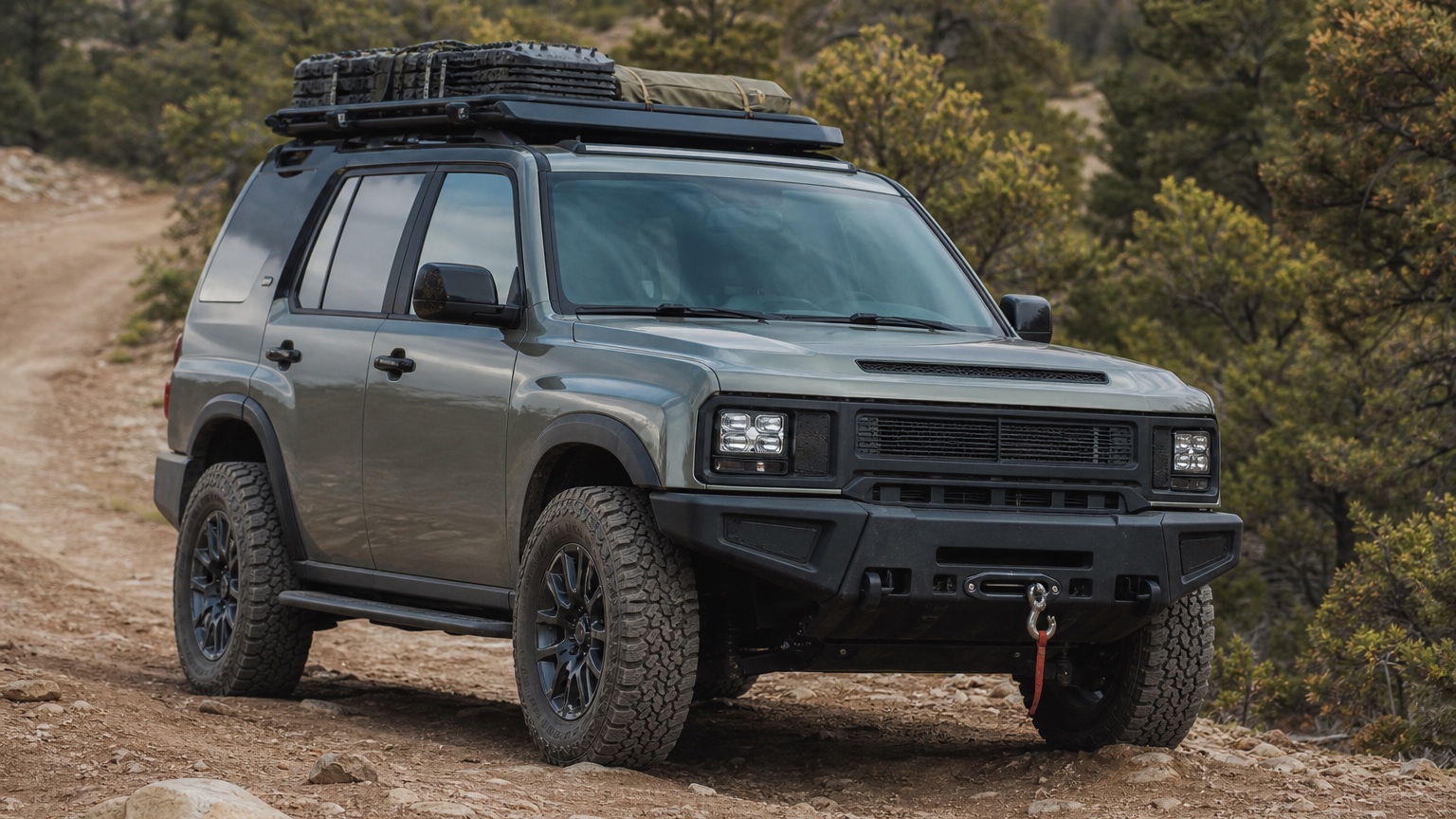
Why AI off road vehicle design should answer a real vehicle decision
People search for AI off road vehicle design when a visible vehicle choice is still uncertain. The decision may involve a sale, a quote, a shop visit, a package explanation, a color sample, a customer presentation, or a parts list, but the common problem is the same: words alone do not make the tradeoff concrete for this off-road build planning workflow.
The frame for this guide is an off-road build review where capability, clearance, weight, daily drivability, legal fit, and visual personality must be balanced before the vehicle becomes overbuilt. That keeps the output practical. A strong concept image should make the next step easier to name, not simply make the vehicle look more dramatic for this off-road build planning workflow.
Picture an SUV owner weighing a mild weekend-trail setup, a family overland build, and a more extreme rock-crawl look while the installer checks tire rub, rack weight, bumper clearance, and daily use. For off-road shops, overland outfitters, truck owners, SUV owners, and accessory brands, the useful image is the one that exposes what should happen next: request a quote, test another finish, simplify the package, ask a specialist, order a sample, or stop before money is wasted.
Start the AI off road vehicle design workflow with constraints
Use an uploaded photo that represents the real vehicle honestly. The angle should match the decision: side views help wheels, color, wraps, stance, and before/after comparisons; three-quarter views help total impression; cabin photos help upholstery, trim, and interior color questions for this off-road build planning workflow.
Name what must stay unchanged. Body shape, glass, wheelbase, current damage, dashboard layout, sponsor-safe areas, trim identity, wheel arches, or customer brand restrictions can all be constraints for this off-road build planning workflow. Constraints keep the generated image from drifting into a different vehicle for this off-road build planning workflow.
Then state the buying or approval context. Off-road shops, overland outfitters, truck owners, suv owners, and accessory brands do not all need the same image. A shop estimate, listing photo, ad hook, restoration brief, off-road build plan, and color-choice discussion each need a different level of realism for this off-road build planning workflow.
Decision checkpoint 1 for AI off road vehicle design
Off-road visuals should begin with terrain and use case, not accessories. Forest roads, sand, snow, overlanding, job-site access, and rock crawling point to different builds.
Use the preview as a controlled comparison. Change one meaningful variable at a time, then compare the result against the original upload so invented details do not quietly become assumptions for this off-road build planning workflow.
RedesAIgn's saved prompts and generation history are helpful here because each direction can be traced back to the wording that produced it for this off-road build planning workflow. Keep the prompt that worked, revise the part that did not, and make the next image easier to judge for this off-road build planning workflow.
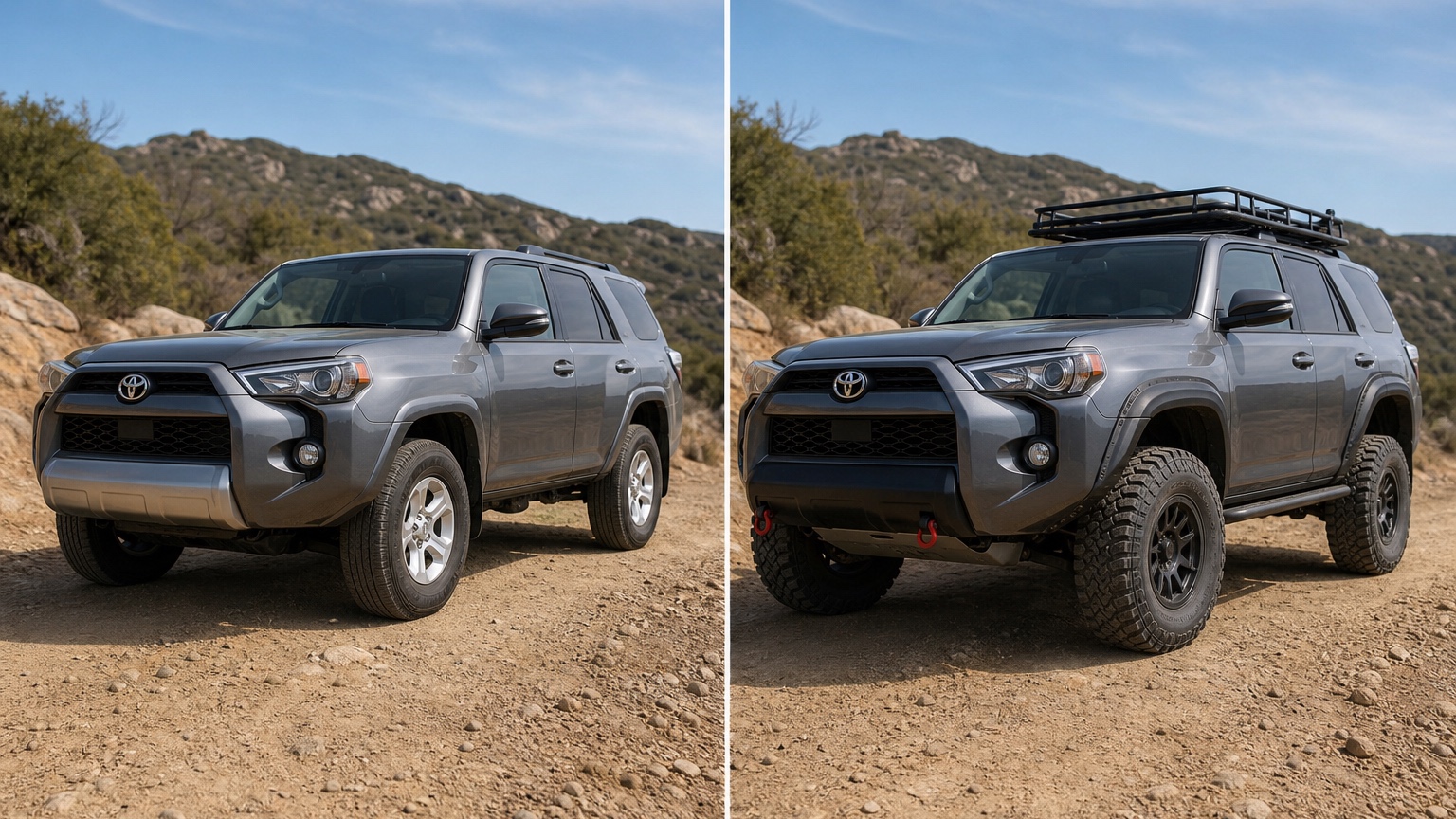
Decision checkpoint 2 for AI off road vehicle design
A believable preview keeps tires, suspension, bumpers, lights, racks, and recovery gear in proportion to the real vehicle.
Use the preview as a controlled comparison. Change one meaningful variable at a time, then compare the result against the original upload so invented details do not quietly become assumptions for this off-road build planning workflow.
RedesAIgn's saved prompts and generation history are helpful here because each direction can be traced back to the wording that produced it for this off-road build planning workflow. Keep the prompt that worked, revise the part that did not, and make the next image easier to judge for this off-road build planning workflow.
Decision checkpoint 3 for AI off road vehicle design
The image should help eliminate unnecessary equipment as much as it inspires new parts. That discipline protects budget, payload, and reliability.
Use the preview as a controlled comparison. Change one meaningful variable at a time, then compare the result against the original upload so invented details do not quietly become assumptions for this off-road build planning workflow.
RedesAIgn's saved prompts and generation history are helpful here because each direction can be traced back to the wording that produced it for this off-road build planning workflow. Keep the prompt that worked, revise the part that did not, and make the next image easier to judge for this off-road build planning workflow.
Prompt brief for stronger AI off road vehicle design results
Begin with the intended outcome: create a realistic vehicle concept from the uploaded photo for off-road shops, overland outfitters, truck owners, SUV owners, and accessory brands who need to compare lift height, tire size, armor, racks, lighting, recovery gear, color, and trail-ready stance before parts orders or customer approval. Mention the exact visible area being tested rather than asking for a broad redesign for this off-road build planning workflow.
Add practical guardrails: keep the original vehicle recognizable, no text labels, no fake logos, no watermarks, no people, believable lighting, realistic materials, clean composition, and no impossible proportions for this off-road build planning workflow. Those limits make the result more useful for a real conversation for this off-road build planning workflow.
Generate three directions with different risk levels. One should stay close to the current vehicle, one should make the main improvement obvious, and one can test a stronger taste boundary for this off-road build planning workflow. Comparing that range prevents the boldest image from winning by default for this off-road build planning workflow.
How to judge an AI off road vehicle design output before acting
Use this scorecard: clearance realism, tire and wheel proportion, accessory purpose, weight awareness, trail use fit, commute compromise, and whether the concept can become a responsible build plan. A scorecard slows the review down enough to separate excitement from usefulness for this off-road build planning workflow.
Check professional reality next. Detailing has service limits, wraps have seams, paint has prep, interiors have wear points, off-road accessories affect payload, and color choices change under lighting for this off-road build planning workflow. The image should lead to sharper questions, not replace the work of the person responsible for execution for this off-road build planning workflow.
The first mistake to avoid is adding every off-road accessory at once until the vehicle looks tough but no longer matches the owner’s trail, budget, or daily-life constraints. If the image hides the original car, exaggerates the promise, or removes the decision context, prompt again with tighter constraints for this off-road build planning workflow.
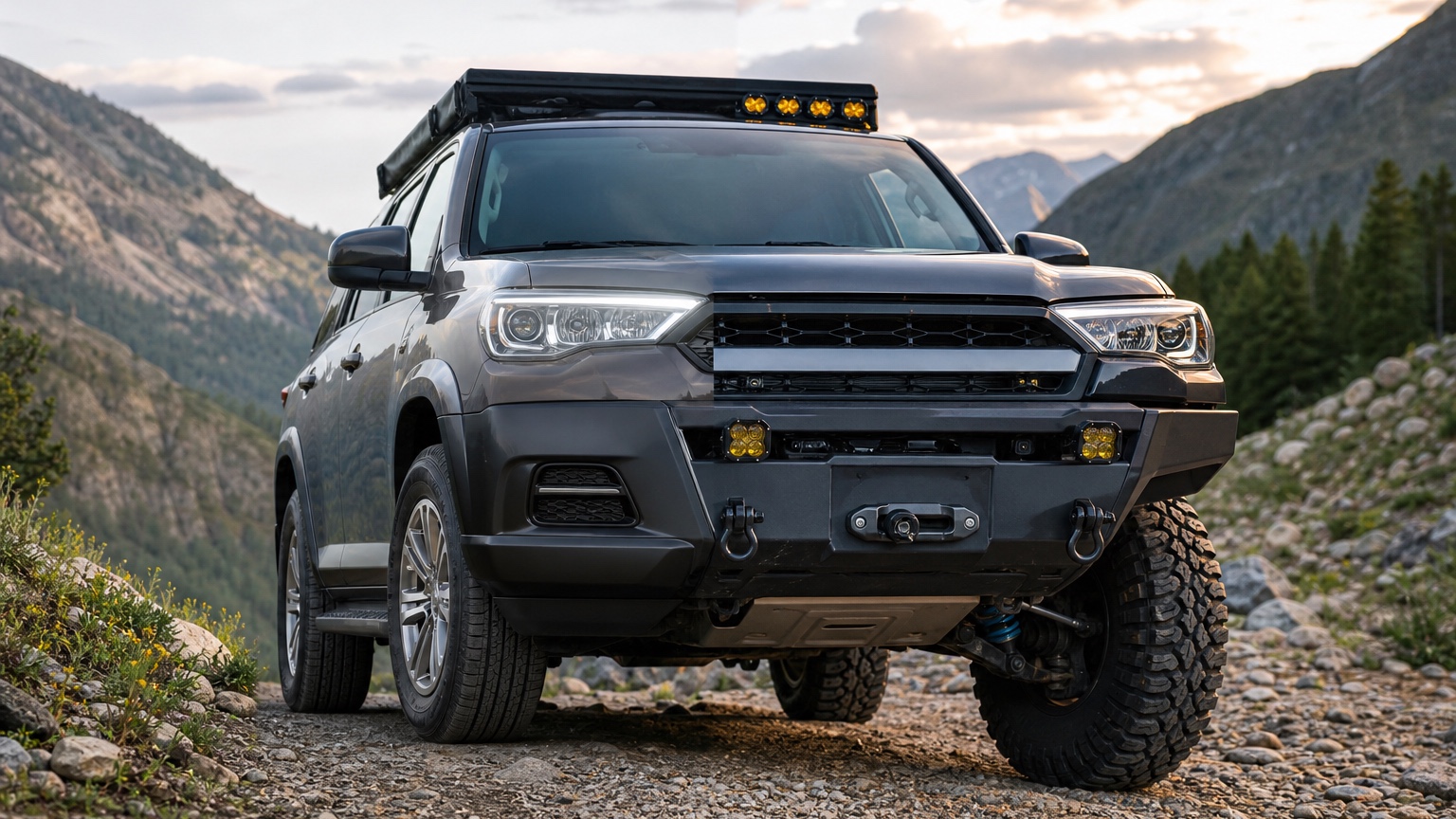
Where RedesAIgn fits in the AI off road vehicle design process
RedesAIgn is an AI photo/image editing web app for visualizing redesigns before committing money, time, or client approval. For off-road build planning, its editor workflow can combine prompt-driven edits, reference directions, saved prompts, and generation history.
Use RedesAIgn before the parts list becomes a pile of assumptions. Upload a clean vehicle photo, create mild, expedition, and aggressive off-road concepts, then take the strongest visual to a qualified shop for fitment, payload, suspension, lighting, and safety review.
This off-road build planning exploration can begin with 5 free AI credits and no credit card required. For a trail-build concept, paid credit packs are useful when the team needs more alternatives; commercial use support also matters when the concepts are part of client-facing review.
Handoff checklist after the AI off road vehicle design session
Choose one next action for each useful concept: request a quote, order a sample, ask about fitment, prepare production artwork, compare another color, write a package description, schedule a shop review, or eliminate the idea.
Save rejected concepts with short notes. Rejected trail-build concept options document the taste, scope, or budget boundaries that made the final direction more defensible.
For AI off road vehicle design, success is not a perfect final render. The win is a clearer trail-build concept decision that keeps the real vehicle and execution responsibility in view.
Balancing capability with daily use
Off-road previews should be reviewed against the vehicle’s normal week, not only the most dramatic trail photo. A daily-driven SUV, contractor truck, family overlander, weekend trail rig, and shop demo vehicle each tolerate different compromises. The best concept makes capability visible without ignoring commute comfort, garage clearance, fuel economy, payload, and road manners.
Use the visual to question accessories before buying them. Roof tents, light bars, recovery boards, bumpers, sliders, racks, winches, snorkels, and oversized tires all add cost, weight, complexity, and sometimes noise. A concept image can reveal when the build looks coherent and when it has become a catalog of parts.
The final handoff should go to a qualified installer for fitment and safety. The AI preview can suggest stance and style, but the shop needs to verify suspension geometry, tire rub, braking, lighting legality, mounting strength, payload, and recovery points before the build becomes real.
A responsible off-road concept also names what will not change. Keeping the engine, suspension class, roof load, bumper style, or daily tire size within known limits can be as valuable as exploring a dramatic new accessory direction.
FAQ
Can AI off road vehicle design replace a professional shop quote?
No. It can create trail-build concept direction images, while quotes, materials, warranty, safety, legality, and installation remain professional responsibilities.
What photo should I upload first?
Start with a clean, well-lit source image that shows the specific area involved in the trail-build concept. Choose the view around the trail-build concept: exterior angles for body decisions, closer details for surfaces, and cabin photos only when the interior is the subject.
Try these prompts in redesAIgn
Restyle this car with a clean modern paint finish and subtle contrast accents.
Show a before-and-after concept with updated wheels and exterior color.
Keep the body lines, but visualize a premium trim and lighting package.
Related guides
- AI Auto Detailing Before After: Build Visual Sales Hooks Without Overpromising
Turn ordinary vehicle photos into polished before/after detailing concepts with RedesAIgn—without overpromising results you cannot deliver in the shop.
- AI Car Before and After: Create Transformation Concepts From One Photo
Create believable vehicle before-and-after concepts from one photo with RedesAIgn—useful before detailing, cosmetic upgrades, or shop proposals.
- AI Car Color Changer: Preview Paint and Wrap Decisions Before the Shop Quote
Preview car paint and wrap colors on a real photo with RedesAIgn. Compare finishes, trim contrast, and wheel pairing before the shop quote.
- AI Car Modification Visualizer: Compare Mods Before Purchase and Installation
Compare visible car modifications in RedesAIgn before buying parts, booking labor, or presenting options. Keep the real vehicle shape recognizable.
- AI Classic Car Restoration: Preview Restoration Directions From a Real Photo
Preview classic car restoration directions from a real photo in RedesAIgn. Compare color, trim, wheels, patina, and modernization options first.