AI Auto Detailing Before After: Build Visual Sales Hooks Without Overpromising
Why AI auto detailing before after should answer a real vehicle decision
People search for AI auto detailing before after when a visible vehicle choice is still uncertain. For a detailing business, the decision often involves package positioning, an ad creative, a quote explanation, or a website hero; the visual has to make the value clear without stretching what the service includes.
The frame for this guide is a detailing-package sales workflow where shine, cleanliness, lighting, and presentation must support credibility instead of replacing actual workmanship. That keeps the output practical. A strong detailing concept should make the package tier and customer expectation easier to explain.
Picture a mobile detailer comparing a basic wash presentation, a premium correction-style hero image, and a ceramic-coating sales visual while avoiding fake damage repair claims. For mobile detailers, detailing studios, car-care marketers, and shop owners, the useful image is the one that exposes what should happen next: request a quote, test another finish, simplify the package, ask a specialist, order a sample, or stop before money is wasted.
Start the AI auto detailing before after workflow with constraints
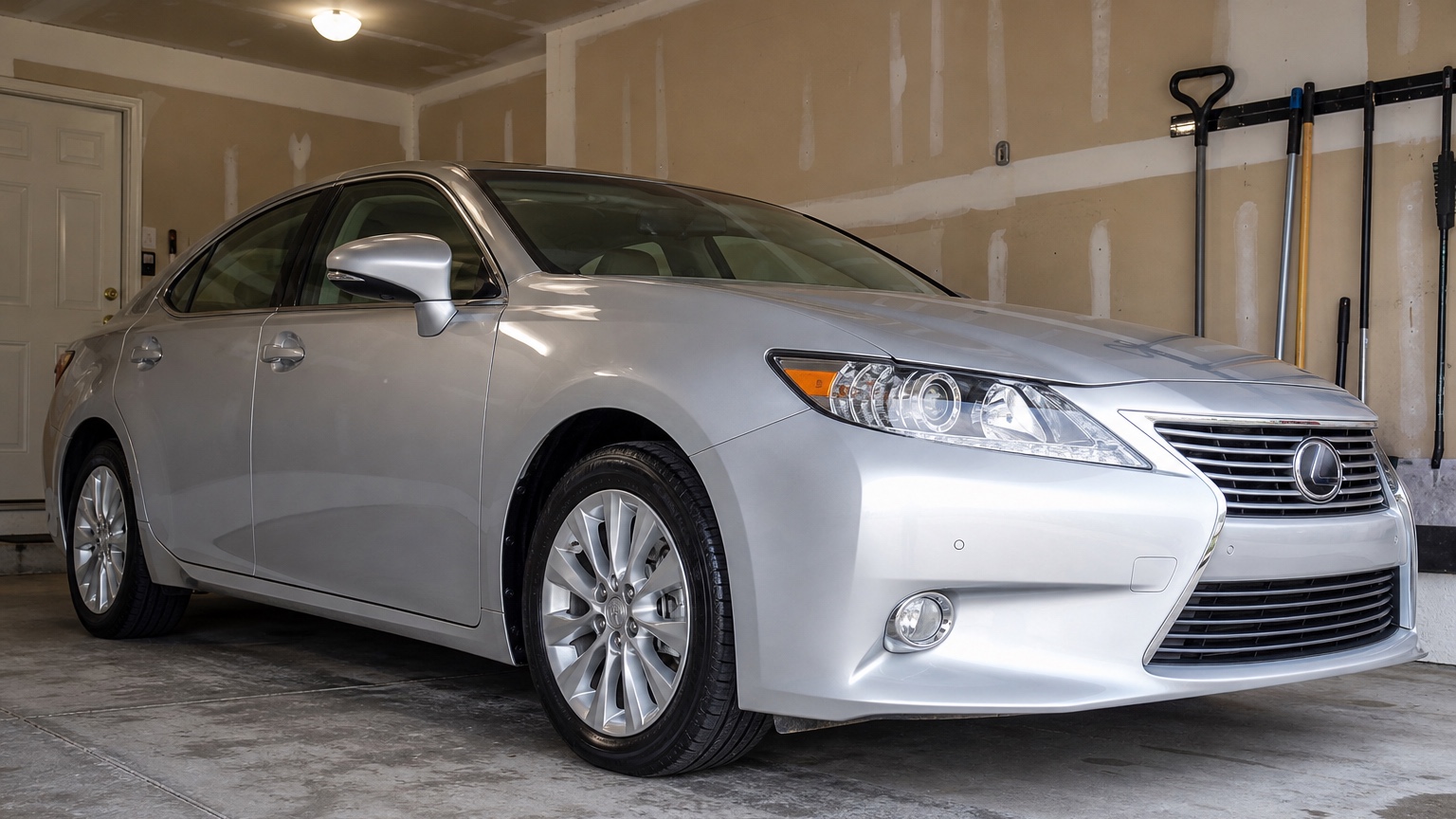
Use an uploaded photo that represents the real vehicle honestly. For detailing, a three-quarter exterior angle usually sells overall gloss, while close body-panel or wheel views can support more specific service stories.
Name what must stay unchanged. Service boundaries, existing dents, paint condition, wheel cleanliness, interior mess, and whether the image is for an advertisement or quote should become constraints. These boundaries keep the visual from implying a repair or repaint that the detailing package does not provide.
Then state the buying or approval context. Mobile detailers, detailing studios, car-care marketers, and shop owners do not all need the same image. A mobile ad, ceramic-coating page, fleet offer, and premium correction story each need a different level of shine and restraint.
Decision checkpoint 1 for AI auto detailing before after
Detailing visuals win when they make care visible without inventing impossible repairs. The prompt should focus on finish, cleanliness, reflection control, and presentation mood.
Use the preview as a controlled comparison. Adjust one package cue at a time, then check the concept against the source photo so invented repair work does not enter the sales message.
Saved prompts and generation history help a detailing shop keep its package visuals consistent across offers and seasons. Keep the gloss and cleanliness language that worked, then tighten the prompt around any claim that looked too aggressive.
Decision checkpoint 2 for AI auto detailing before after
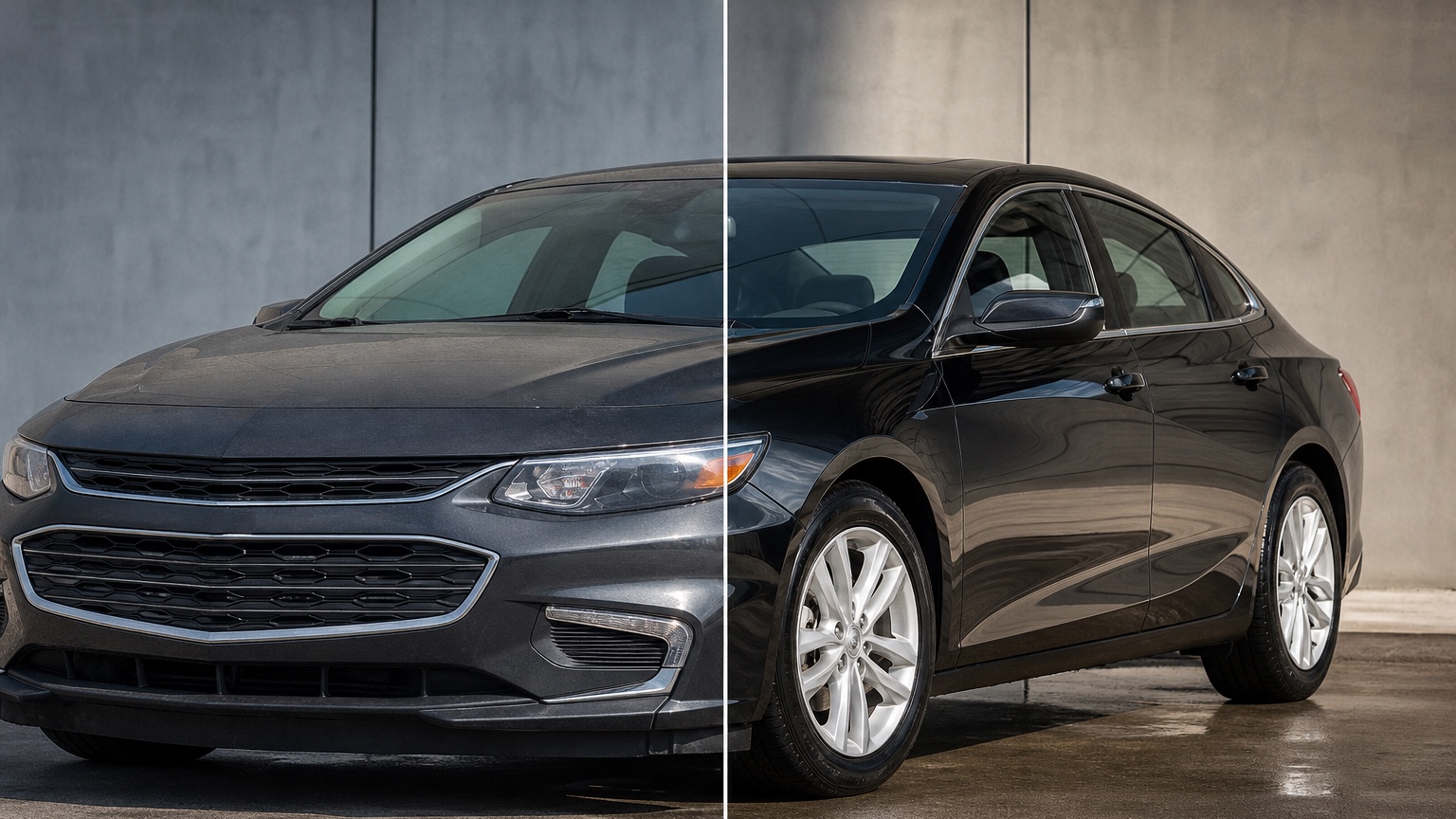
A before/after detailing concept can help choose the hero angle for a landing page, but the copy around it must still explain what the package includes.
Use the preview as a controlled comparison. Adjust one package cue at a time, then check the concept against the source photo so invented repair work does not enter the sales message.
Saved prompts and generation history help a detailing shop keep its package visuals consistent across offers and seasons. Keep the gloss and cleanliness language that worked, then tighten the prompt around any claim that looked too aggressive.
Decision checkpoint 3 for AI auto detailing before after
Keep a boundary between concept styling and proof of completed work; that boundary protects the shop from expectation problems.
Use the preview as a controlled comparison. Adjust one package cue at a time, then check the concept against the source photo so invented repair work does not enter the sales message.
Saved prompts and generation history help a detailing shop keep its package visuals consistent across offers and seasons. Keep the gloss and cleanliness language that worked, then tighten the prompt around any claim that looked too aggressive.
Prompt brief for stronger AI auto detailing before after results
Begin with the intended outcome: create a realistic vehicle concept from the uploaded photo for mobile detailers, detailing studios, car-care marketers, and shop owners who need to turn ordinary vehicle photos into polished before/after concepts that explain detailing value while staying honest about service limits. Mention the visible service cue, such as paint gloss, wheel cleanliness, interior reset, lighting, or premium presentation.
Set detailing-specific guardrails: preserve the car, avoid labels and watermarks, keep surfaces realistic, and do not imply body repair or part replacement. Those limits make the concept safer for a quote, ad, or package page.
Generate three directions with different risk levels. Create one maintenance-level image, one premium-detail image, and one polished marketing hero to compare. The range keeps the shop from choosing an ad visual that oversells the actual package.
How to judge an AI auto detailing before after output before acting
Use this scorecard: service honesty, gloss realism, background cleanliness, package clarity, ad usability, customer expectation control, and whether the image supports a truthful offer. The scorecard separates honest service communication from generic glossy-car content.
Check professional reality next. Detailing visuals must respect service limits: cleaning, correction, protection, and presentation are not the same as repair, repainting, or part replacement. The concept should sharpen the package description before the shop publishes or quotes it.
The first mistake to avoid is using AI to imply a detailer repaired dents, repainted panels, or replaced worn parts when the real service is cleaning, correction, protection, and presentation. If the output suggests impossible repair or a different vehicle, regenerate it with honest detailing boundaries.
Where RedesAIgn fits in the AI auto detailing before after process
RedesAIgn is an AI photo/image editing web app for visualizing redesigns before committing money, time, or client approval. Its prompt, reference, saved-prompt, and history tools can help a detailing brand keep campaign visuals organized.
Open RedesAIgn before designing a detailing ad, quote page, or package explanation. Start free with 5 AI credits and no credit card, upload a real vehicle photo, generate clean presentation directions, and use saved prompts to keep the look consistent across future customer examples.
Detailers can test an initial package concept with 5 free AI credits and no credit card required. For a detailing-package visual, paid credit packs are useful when the team needs more alternatives; commercial use support also matters when the concepts are part of client-facing review.
Handoff checklist after the AI auto detailing before after session
Choose one next action for each useful concept: request a quote, order a sample, ask about fitment, prepare production artwork, compare another color, write a package description, schedule a shop review, or eliminate the idea.
Save rejected concepts with short notes. Rejected detailing-package visual options document the taste, scope, or budget boundaries that made the final direction more defensible.
For AI auto detailing before after, success is not a perfect final render. The win is a clearer detailing-package visual decision that keeps the real vehicle and execution responsibility in view.
Turning detailing concepts into honest package language
After generating a detailing before/after direction, translate the visual into package language before publishing or quoting it. Name the service family that the image is meant to support: maintenance wash, interior reset, paint enhancement, correction-style presentation, coating-prep story, dealership photo cleanup, or premium marketing hero. The label keeps the creative output tied to a real offer.
The review should remove claims the shop cannot stand behind. If the concept appears to fix dents, replace trim, remove deep scratches, recolor panels, or change wheels, the accompanying copy should not imply that a normal detailing job performs those changes. Prompt again with narrower language if the image needs to emphasize cleanliness, gloss, organization, and lighting rather than repair.
For recurring marketing, keep a small prompt library by package tier. RedesAIgn saved prompts make it easier to generate consistent visuals for seasonal offers, fleet accounts, mobile detailing ads, and website service pages without reinventing the look every time.
Before using the final concept externally, write one sentence that says what the image is supposed to help decide. That small note can mention offer positioning, ad direction, package tier, or customer expectation. It keeps the visual attached to an honest business purpose instead of becoming generic car shine content.
A final detailing review should also decide where the visual will live. A homepage hero, quote attachment, social ad, and follow-up email need different levels of polish, so the same AI concept should not be copied everywhere without context.
FAQ
Can AI auto detailing before after replace a professional shop quote?
No. It can create detailing-package visual direction images, while quotes, materials, warranty, safety, legality, and installation remain professional responsibilities.
What photo should I upload first?
Start with a clean, well-lit source image that shows the specific area involved in the detailing-package visual. Choose the view around the detailing-package visual: exterior angles for body decisions, closer details for surfaces, and cabin photos only when the interior is the subject.
Try these prompts in redesAIgn
Restyle this car with a clean modern paint finish and subtle contrast accents.
Show a before-and-after concept with updated wheels and exterior color.
Keep the body lines, but visualize a premium trim and lighting package.
Related guides
- AI Car Before and After: Create Transformation Concepts From One Photo
Create believable vehicle before-and-after concepts from one photo with RedesAIgn—useful before detailing, cosmetic upgrades, or shop proposals.
- AI Car Color Changer: Preview Paint and Wrap Decisions Before the Shop Quote
Preview car paint and wrap colors on a real photo with RedesAIgn. Compare finishes, trim contrast, and wheel pairing before the shop quote.
- AI Off Road Vehicle Design: Test Lifts, Tires, Armor, and Trail Style Visually
Test off-road vehicle style visually with RedesAIgn. Compare lift height, tires, armor, racks, lighting, and recovery-gear concepts on your photo.
- AI Car Modification Visualizer: Compare Mods Before Purchase and Installation
Compare visible car modifications in RedesAIgn before buying parts, booking labor, or presenting options. Keep the real vehicle shape recognizable.
- AI Classic Car Restoration: Preview Restoration Directions From a Real Photo
Preview classic car restoration directions from a real photo in RedesAIgn. Compare color, trim, wheels, patina, and modernization options first.