AI Food Truck Design Generator for Wraps and Branding
Last updated: March 16, 2026
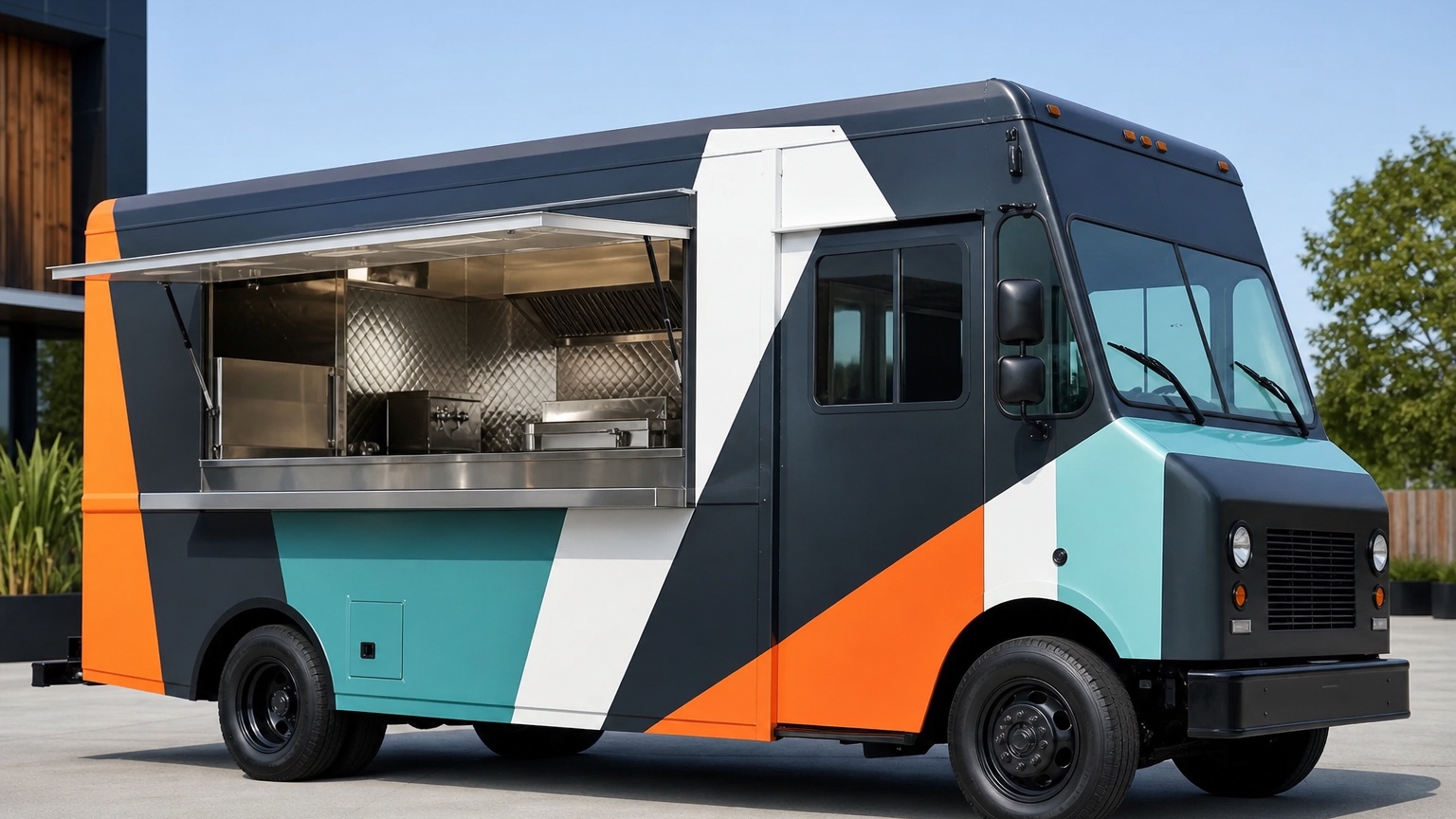
AI Food Truck Design is most useful when it answers a real vehicle decision for a operator who needs customers to understand cuisine, personality, and ordering window flow at first glance. This guide uses a menu-to-window identity frame rather than treating AI vehicle design as decoration, because the costly mistake is approving a look that fails in the real operating context. For food-truck identity work, RedesAIgn lets the operator upload the truck, test menu-inspired color systems, save the useful prompt, and compare history before paint or panel printing begins. For a vendor, the preview should clarify cuisine, ordering-window energy, and market presence before the designer or fabricator spends paid hours refining art.
Design the truck around the ordering moment
For AI food truck design, the menu detail changes how the preview should be judged, because the same attractive concept can succeed in one menu-to-window identity frame scenario and fail in another. A strong RedesAIgn prompt for AI food truck design should name the source-photo constraint, the audience, the preferred finish, and the decision being tested instead of asking for a vague beautiful vehicle. When the menu requirement is explicit, the output becomes easier to compare with quotes, brand rules, customer expectations, and the physical vehicle that will actually be used. That is why the design the truck around the ordering moment step should produce two or three sharply different options, not fifteen random variations that make the approval meeting longer. If the preview looks exciting but weakens the menu priority, keep the image as inspiration and revise the prompt before treating it as a production direction.
For AI food truck design, the serving-window detail changes how the preview should be judged, because the same attractive concept can succeed in one menu-to-window identity frame scenario and fail in another. A strong RedesAIgn prompt for AI food truck design should name the source-photo constraint, the audience, the preferred finish, and the decision being tested instead of asking for a vague beautiful vehicle. When the serving-window requirement is explicit, the output becomes easier to compare with quotes, brand rules, customer expectations, and the physical vehicle that will actually be used. That is why the design the truck around the ordering moment step should produce two or three sharply different options, not fifteen random variations that make the approval meeting longer. If the preview looks exciting but weakens the serving-window priority, keep the image as inspiration and revise the prompt before treating it as a production direction.
For AI food truck design, the street-fair detail changes how the preview should be judged, because the same attractive concept can succeed in one menu-to-window identity frame scenario and fail in another. A strong RedesAIgn prompt for AI food truck design should name the source-photo constraint, the audience, the preferred finish, and the decision being tested instead of asking for a vague beautiful vehicle. When the street-fair requirement is explicit, the output becomes easier to compare with quotes, brand rules, customer expectations, and the physical vehicle that will actually be used. That is why the design the truck around the ordering moment step should produce two or three sharply different options, not fifteen random variations that make the approval meeting longer. If the preview looks exciting but weakens the street-fair priority, keep the image as inspiration and revise the prompt before treating it as a production direction.
Start with service-window photos and menu mood
For AI food truck design, the serving-window detail changes how the preview should be judged, because the same attractive concept can succeed in one menu-to-window identity frame scenario and fail in another. A strong RedesAIgn prompt for AI food truck design should name the source-photo constraint, the audience, the preferred finish, and the decision being tested instead of asking for a vague beautiful vehicle. When the serving-window requirement is explicit, the output becomes easier to compare with quotes, brand rules, customer expectations, and the physical vehicle that will actually be used. That is why the start with service-window photos and menu mood step should produce two or three sharply different options, not fifteen random variations that make the approval meeting longer. If the preview looks exciting but weakens the serving-window priority, keep the image as inspiration and revise the prompt before treating it as a production direction.
For AI food truck design, the street-fair detail changes how the preview should be judged, because the same attractive concept can succeed in one menu-to-window identity frame scenario and fail in another. A strong RedesAIgn prompt for AI food truck design should name the source-photo constraint, the audience, the preferred finish, and the decision being tested instead of asking for a vague beautiful vehicle. When the street-fair requirement is explicit, the output becomes easier to compare with quotes, brand rules, customer expectations, and the physical vehicle that will actually be used. That is why the start with service-window photos and menu mood step should produce two or three sharply different options, not fifteen random variations that make the approval meeting longer. If the preview looks exciting but weakens the street-fair priority, keep the image as inspiration and revise the prompt before treating it as a production direction.
For AI food truck design, the queue detail changes how the preview should be judged, because the same attractive concept can succeed in one menu-to-window identity frame scenario and fail in another. A strong RedesAIgn prompt for AI food truck design should name the source-photo constraint, the audience, the preferred finish, and the decision being tested instead of asking for a vague beautiful vehicle. When the queue requirement is explicit, the output becomes easier to compare with quotes, brand rules, customer expectations, and the physical vehicle that will actually be used. That is why the start with service-window photos and menu mood step should produce two or three sharply different options, not fifteen random variations that make the approval meeting longer. If the preview looks exciting but weakens the queue priority, keep the image as inspiration and revise the prompt before treating it as a production direction.
Preview color, texture, and cuisine cues without fake text
For AI food truck design, the street-fair detail changes how the preview should be judged, because the same attractive concept can succeed in one menu-to-window identity frame scenario and fail in another. A strong RedesAIgn prompt for AI food truck design should name the source-photo constraint, the audience, the preferred finish, and the decision being tested instead of asking for a vague beautiful vehicle. When the street-fair requirement is explicit, the output becomes easier to compare with quotes, brand rules, customer expectations, and the physical vehicle that will actually be used. That is why the preview color, texture, and cuisine cues without fake text step should produce two or three sharply different options, not fifteen random variations that make the approval meeting longer. If the preview looks exciting but weakens the street-fair priority, keep the image as inspiration and revise the prompt before treating it as a production direction.
For AI food truck design, the queue detail changes how the preview should be judged, because the same attractive concept can succeed in one menu-to-window identity frame scenario and fail in another. A strong RedesAIgn prompt for AI food truck design should name the source-photo constraint, the audience, the preferred finish, and the decision being tested instead of asking for a vague beautiful vehicle. When the queue requirement is explicit, the output becomes easier to compare with quotes, brand rules, customer expectations, and the physical vehicle that will actually be used. That is why the preview color, texture, and cuisine cues without fake text step should produce two or three sharply different options, not fifteen random variations that make the approval meeting longer. If the preview looks exciting but weakens the queue priority, keep the image as inspiration and revise the prompt before treating it as a production direction.
For AI food truck design, the cuisine detail changes how the preview should be judged, because the same attractive concept can succeed in one menu-to-window identity frame scenario and fail in another. A strong RedesAIgn prompt for AI food truck design should name the source-photo constraint, the audience, the preferred finish, and the decision being tested instead of asking for a vague beautiful vehicle. When the cuisine requirement is explicit, the output becomes easier to compare with quotes, brand rules, customer expectations, and the physical vehicle that will actually be used. That is why the preview color, texture, and cuisine cues without fake text step should produce two or three sharply different options, not fifteen random variations that make the approval meeting longer. If the preview looks exciting but weakens the cuisine priority, keep the image as inspiration and revise the prompt before treating it as a production direction.
Prompt pattern for AI food truck design
Upload the clearest vehicle photo, state that the exact vehicle shape must remain recognizable, describe the desired menu and serving-window outcome, and ask RedesAIgn for a practical concept with no text overlays, no watermarks, no people, and no invented brand labels. Then create a second food-truck prompt that changes only night-market mood or cuisine color, making the vendor comparison practical instead of random.
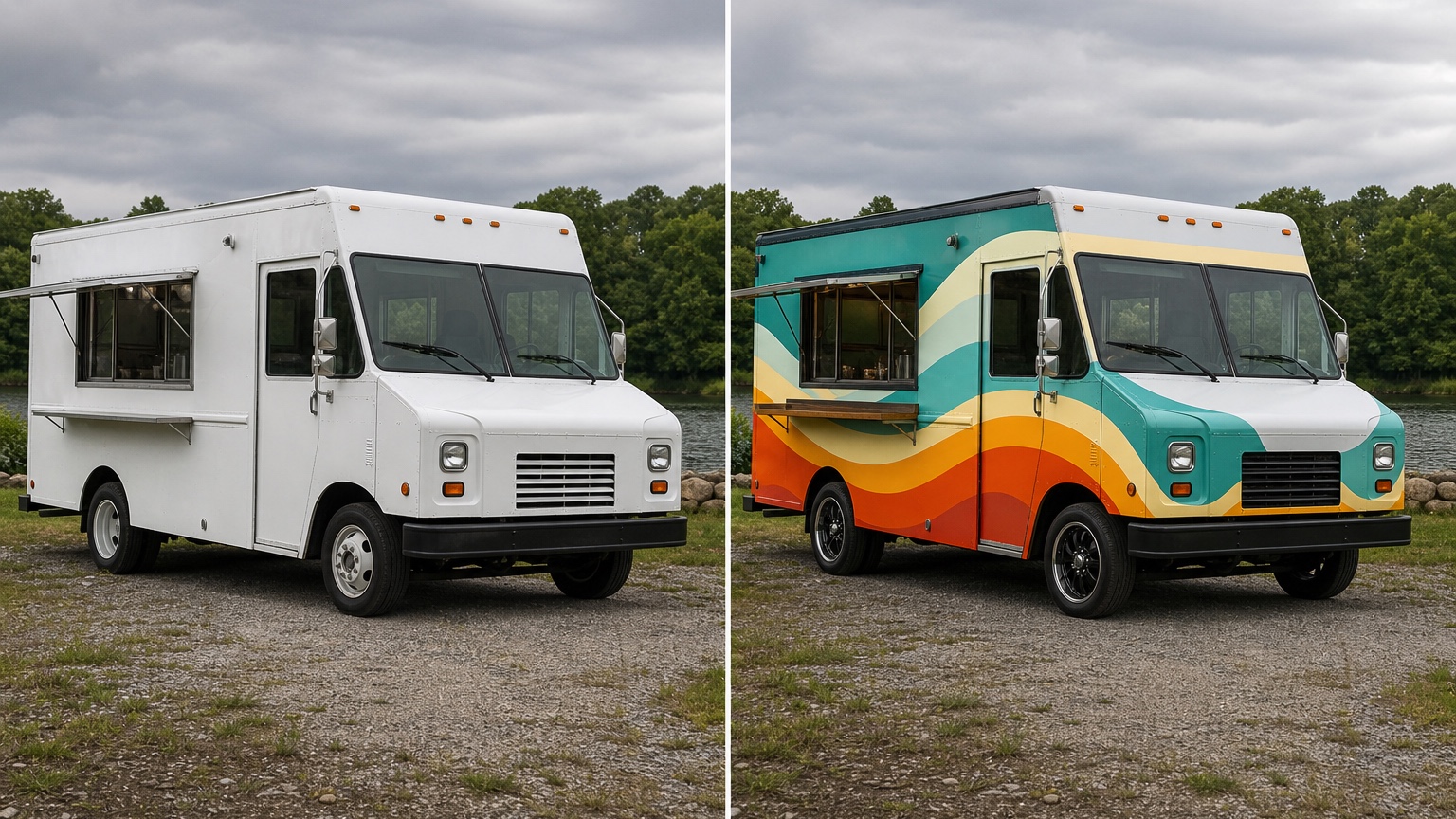
Stress-test night market, lunch rush, and catering versions
For AI food truck design, the queue detail changes how the preview should be judged, because the same attractive concept can succeed in one menu-to-window identity frame scenario and fail in another. A strong RedesAIgn prompt for AI food truck design should name the source-photo constraint, the audience, the preferred finish, and the decision being tested instead of asking for a vague beautiful vehicle. When the queue requirement is explicit, the output becomes easier to compare with quotes, brand rules, customer expectations, and the physical vehicle that will actually be used. That is why the stress-test night market, lunch rush, and catering versions step should produce two or three sharply different options, not fifteen random variations that make the approval meeting longer. If the preview looks exciting but weakens the queue priority, keep the image as inspiration and revise the prompt before treating it as a production direction.
For AI food truck design, the cuisine detail changes how the preview should be judged, because the same attractive concept can succeed in one menu-to-window identity frame scenario and fail in another. A strong RedesAIgn prompt for AI food truck design should name the source-photo constraint, the audience, the preferred finish, and the decision being tested instead of asking for a vague beautiful vehicle. When the cuisine requirement is explicit, the output becomes easier to compare with quotes, brand rules, customer expectations, and the physical vehicle that will actually be used. That is why the stress-test night market, lunch rush, and catering versions step should produce two or three sharply different options, not fifteen random variations that make the approval meeting longer. If the preview looks exciting but weakens the cuisine priority, keep the image as inspiration and revise the prompt before treating it as a production direction.
For AI food truck design, the awning detail changes how the preview should be judged, because the same attractive concept can succeed in one menu-to-window identity frame scenario and fail in another. A strong RedesAIgn prompt for AI food truck design should name the source-photo constraint, the audience, the preferred finish, and the decision being tested instead of asking for a vague beautiful vehicle. When the awning requirement is explicit, the output becomes easier to compare with quotes, brand rules, customer expectations, and the physical vehicle that will actually be used. That is why the stress-test night market, lunch rush, and catering versions step should produce two or three sharply different options, not fifteen random variations that make the approval meeting longer. If the preview looks exciting but weakens the awning priority, keep the image as inspiration and revise the prompt before treating it as a production direction.
Turn RedesAIgn concepts into a vendor-ready brief
For AI food truck design, the cuisine detail changes how the preview should be judged, because the same attractive concept can succeed in one menu-to-window identity frame scenario and fail in another. A strong RedesAIgn prompt for AI food truck design should name the source-photo constraint, the audience, the preferred finish, and the decision being tested instead of asking for a vague beautiful vehicle. When the cuisine requirement is explicit, the output becomes easier to compare with quotes, brand rules, customer expectations, and the physical vehicle that will actually be used. That is why the turn redesaign concepts into a vendor-ready brief step should produce two or three sharply different options, not fifteen random variations that make the approval meeting longer. If the preview looks exciting but weakens the cuisine priority, keep the image as inspiration and revise the prompt before treating it as a production direction.
For AI food truck design, the awning detail changes how the preview should be judged, because the same attractive concept can succeed in one menu-to-window identity frame scenario and fail in another. A strong RedesAIgn prompt for AI food truck design should name the source-photo constraint, the audience, the preferred finish, and the decision being tested instead of asking for a vague beautiful vehicle. When the awning requirement is explicit, the output becomes easier to compare with quotes, brand rules, customer expectations, and the physical vehicle that will actually be used. That is why the turn redesaign concepts into a vendor-ready brief step should produce two or three sharply different options, not fifteen random variations that make the approval meeting longer. If the preview looks exciting but weakens the awning priority, keep the image as inspiration and revise the prompt before treating it as a production direction.
For AI food truck design, the vendor detail changes how the preview should be judged, because the same attractive concept can succeed in one menu-to-window identity frame scenario and fail in another. A strong RedesAIgn prompt for AI food truck design should name the source-photo constraint, the audience, the preferred finish, and the decision being tested instead of asking for a vague beautiful vehicle. When the vendor requirement is explicit, the output becomes easier to compare with quotes, brand rules, customer expectations, and the physical vehicle that will actually be used. That is why the turn redesaign concepts into a vendor-ready brief step should produce two or three sharply different options, not fifteen random variations that make the approval meeting longer. If the preview looks exciting but weakens the vendor priority, keep the image as inspiration and revise the prompt before treating it as a production direction.
Decision checklist for food truck identity
For AI food truck design, the awning detail changes how the preview should be judged, because the same attractive concept can succeed in one menu-to-window identity frame scenario and fail in another. A strong RedesAIgn prompt for AI food truck design should name the source-photo constraint, the audience, the preferred finish, and the decision being tested instead of asking for a vague beautiful vehicle. When the awning requirement is explicit, the output becomes easier to compare with quotes, brand rules, customer expectations, and the physical vehicle that will actually be used. That is why the decision checklist for food truck identity step should produce two or three sharply different options, not fifteen random variations that make the approval meeting longer. If the preview looks exciting but weakens the awning priority, keep the image as inspiration and revise the prompt before treating it as a production direction.
For AI food truck design, the vendor detail changes how the preview should be judged, because the same attractive concept can succeed in one menu-to-window identity frame scenario and fail in another. A strong RedesAIgn prompt for AI food truck design should name the source-photo constraint, the audience, the preferred finish, and the decision being tested instead of asking for a vague beautiful vehicle. When the vendor requirement is explicit, the output becomes easier to compare with quotes, brand rules, customer expectations, and the physical vehicle that will actually be used. That is why the decision checklist for food truck identity step should produce two or three sharply different options, not fifteen random variations that make the approval meeting longer. If the preview looks exciting but weakens the vendor priority, keep the image as inspiration and revise the prompt before treating it as a production direction.
For AI food truck design, the counter detail changes how the preview should be judged, because the same attractive concept can succeed in one menu-to-window identity frame scenario and fail in another. A strong RedesAIgn prompt for AI food truck design should name the source-photo constraint, the audience, the preferred finish, and the decision being tested instead of asking for a vague beautiful vehicle. When the counter requirement is explicit, the output becomes easier to compare with quotes, brand rules, customer expectations, and the physical vehicle that will actually be used. That is why the decision checklist for food truck identity step should produce two or three sharply different options, not fifteen random variations that make the approval meeting longer. If the preview looks exciting but weakens the counter priority, keep the image as inspiration and revise the prompt before treating it as a production direction.
How to use RedesAIgn for AI food truck design without overclaiming
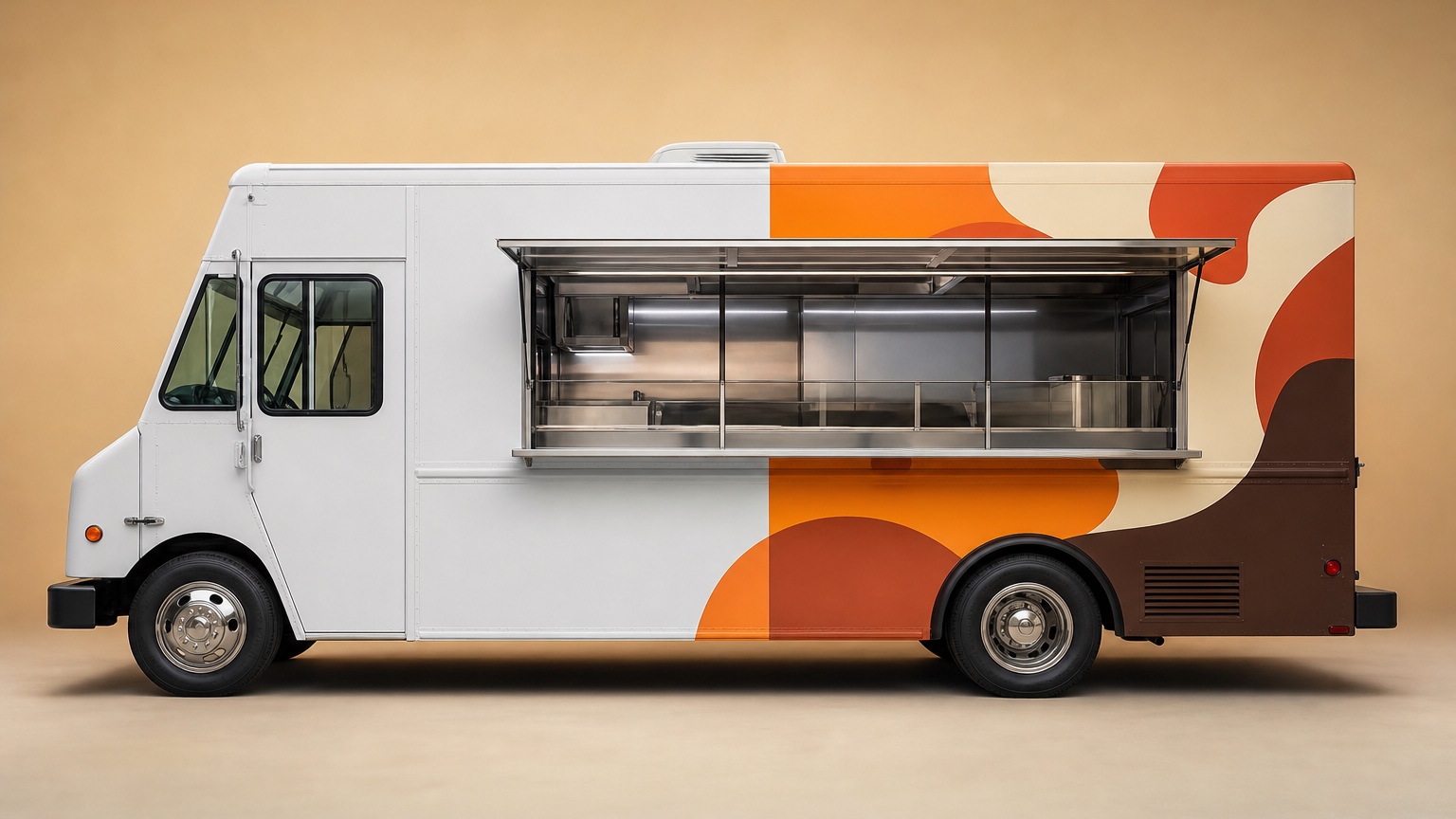
Start with the free RedesAIgn option if you only need to test the menu-to-window identity frame direction: new users can begin with 5 free AI credits and no credit card required. For a business workflow, the one-time credit packs make sense when several teammates need to compare AI food truck design options without committing to a subscription before the design direction is known. The Vehicle / Auto Design editor is the practical place to begin for a food truck, while history helps the operator remember which menu cue drove each version. Commercial use can matter for AI food truck design, especially when a shop, dealer, creator, or local business wants to use approved visuals in a proposal, listing, or internal presentation. A food-truck concept still needs fabricator dimensions, health-department realities, and honest truck photos, because the AI image supports decisions rather than replacing production drawings.
Final review checklist for AI food truck design
- For AI food truck design, confirm that the source photo still matches the vehicle before sharing the RedesAIgn preview with anyone outside the project.
- For AI food truck design, confirm that the main decision is visible at thumbnail size before sharing the RedesAIgn preview with anyone outside the project.
- For AI food truck design, confirm that the finish or background does not hide practical flaws before sharing the RedesAIgn preview with anyone outside the project.
- For AI food truck design, confirm that the concept can be explained in one sentence before sharing the RedesAIgn preview with anyone outside the project.
- For AI food truck design, confirm that the next human expert knows what to quote or revise before sharing the RedesAIgn preview with anyone outside the project.
Try the AI Food Truck Design workflow
Ready to preview identity options before printing panels or repainting? Upload the most honest vehicle photo you have, run a focused RedesAIgn prompt, save the useful version, and compare it against one calmer and one bolder alternative. If the first AI food truck design result creates a clearer conversation with a client, vendor, buyer, or collaborator, buy more credits only after the visual direction is worth continuing.
Try these prompts in redesAIgn
Restyle this car with a clean modern paint finish and subtle contrast accents.
Show a before-and-after concept with updated wheels and exterior color.
Keep the body lines, but visualize a premium trim and lighting package.
Related guides
- AI Auto Detailing Before After: Build Visual Sales Hooks Without Overpromising
Turn ordinary vehicle photos into polished before/after detailing concepts with RedesAIgn—without overpromising results you cannot deliver in the shop.
- AI Car Before and After: Create Transformation Concepts From One Photo
Create believable vehicle before-and-after concepts from one photo with RedesAIgn—useful before detailing, cosmetic upgrades, or shop proposals.
- AI Car Color Changer: Preview Paint and Wrap Decisions Before the Shop Quote
Preview car paint and wrap colors on a real photo with RedesAIgn. Compare finishes, trim contrast, and wheel pairing before the shop quote.
- AI Off Road Vehicle Design: Test Lifts, Tires, Armor, and Trail Style Visually
Test off-road vehicle style visually with RedesAIgn. Compare lift height, tires, armor, racks, lighting, and recovery-gear concepts on your photo.
- AI Car Modification Visualizer: Compare Mods Before Purchase and Installation
Compare visible car modifications in RedesAIgn before buying parts, booking labor, or presenting options. Keep the real vehicle shape recognizable.