AI Beach Photo Editor for Vacation, Resort, and Social Images
Last updated: March 19, 2026
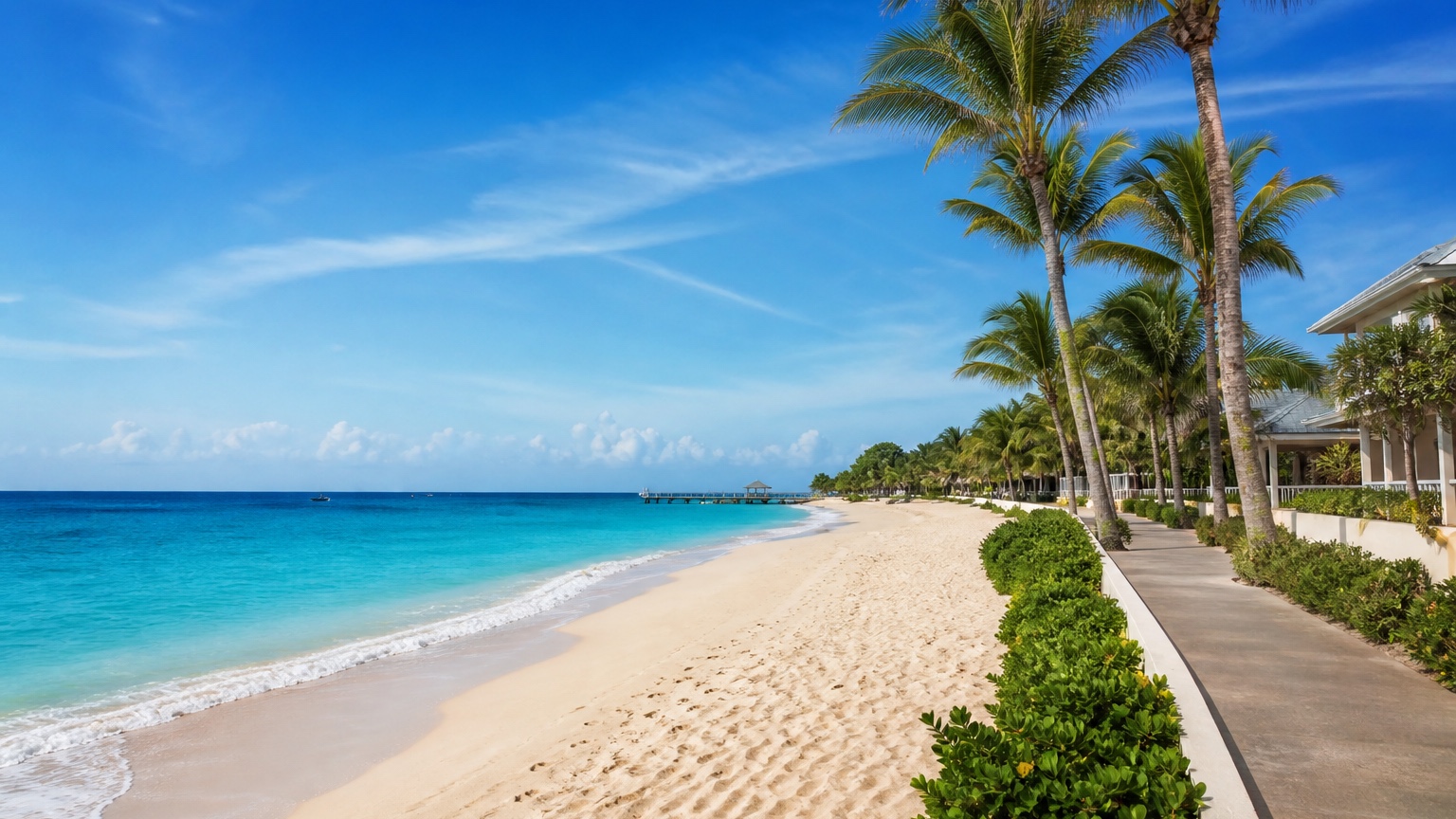
AI Beach Photo Editor should improve the way a real trip, resort, or destination story is understood. A beach edit should improve water, sand, sky, and horizon while keeping the coast physically believable. Travelers, resorts usually need help because they want to polish beach imagery, but the source photo may have dull light, distracting objects, awkward crop, flat color, or a mood that does not match the memory or campaign. For beach and resort images, RedesAIgn creates a focused review space: upload the shoreline photo, choose the Travel Editor, request specific water or sky polish, and compare saved generations before touching the rest of the gallery. The goal is a beach image that feels cleaner and warmer without promising a coastline that was never there.
AI Beach Photo Editor: start with the beach image review
For travelers, resorts, AI Beach Photo Editor works best when it solves a specific travel-story problem: polish beach imagery. The horizon line review is where weak AI edits usually reveal themselves, because a travel image has to respect weather, light, location clues, horizon, scale, and the reason the photo matters. In the resort and shoreline polish frame, RedesAIgn is not a shortcut for inventing a destination; it is a way to upload the real source photo, describe a targeted improvement, and compare variations before spending time on a full album, campaign, booking page, or social sequence. A useful beach output should help decide whether the image belongs on a resort page, vacation recap, ad concept, or retouching brief. If the shoreline polish would make a guest or traveler question the real beach, the edit has crossed the trust line.
The practical check is whether the edited image helps someone make beach imagery cleaner without plastic colors or fake coastlines. For beach-editor prompts, define the trust details first: real coastline shape, water depth, sky condition, sand texture, horizon, and resort context. Balance warmth, water color, horizon, and human scale is the discipline that keeps AI travel work useful. When comparing beach outputs, check horizon level, water color, sand texture, natural shadows, resort context, and text-free composition.
Preserve place identity before editing AI beach photo editor
For travelers, resorts, AI Beach Photo Editor works best when it solves a specific travel-story problem: polish beach imagery. The water color review is where weak AI edits usually reveal themselves, because a travel image has to respect weather, light, location clues, horizon, scale, and the reason the photo matters. In the resort and shoreline polish frame, RedesAIgn is not a shortcut for inventing a destination; it is a way to upload the real source photo, describe a targeted improvement, and compare variations before spending time on a full album, campaign, booking page, or social sequence. A useful beach output should help decide whether the image belongs on a resort page, vacation recap, ad concept, or retouching brief. If the shoreline polish would make a guest or traveler question the real beach, the edit has crossed the trust line.
The practical check is whether the edited image helps someone make beach imagery cleaner without plastic colors or fake coastlines. For beach-editor prompts, define the trust details first: real coastline shape, water depth, sky condition, sand texture, horizon, and resort context. Balance warmth, water color, horizon, and human scale is the discipline that keeps AI travel work useful. When comparing beach outputs, check horizon level, water color, sand texture, natural shadows, resort context, and text-free composition.
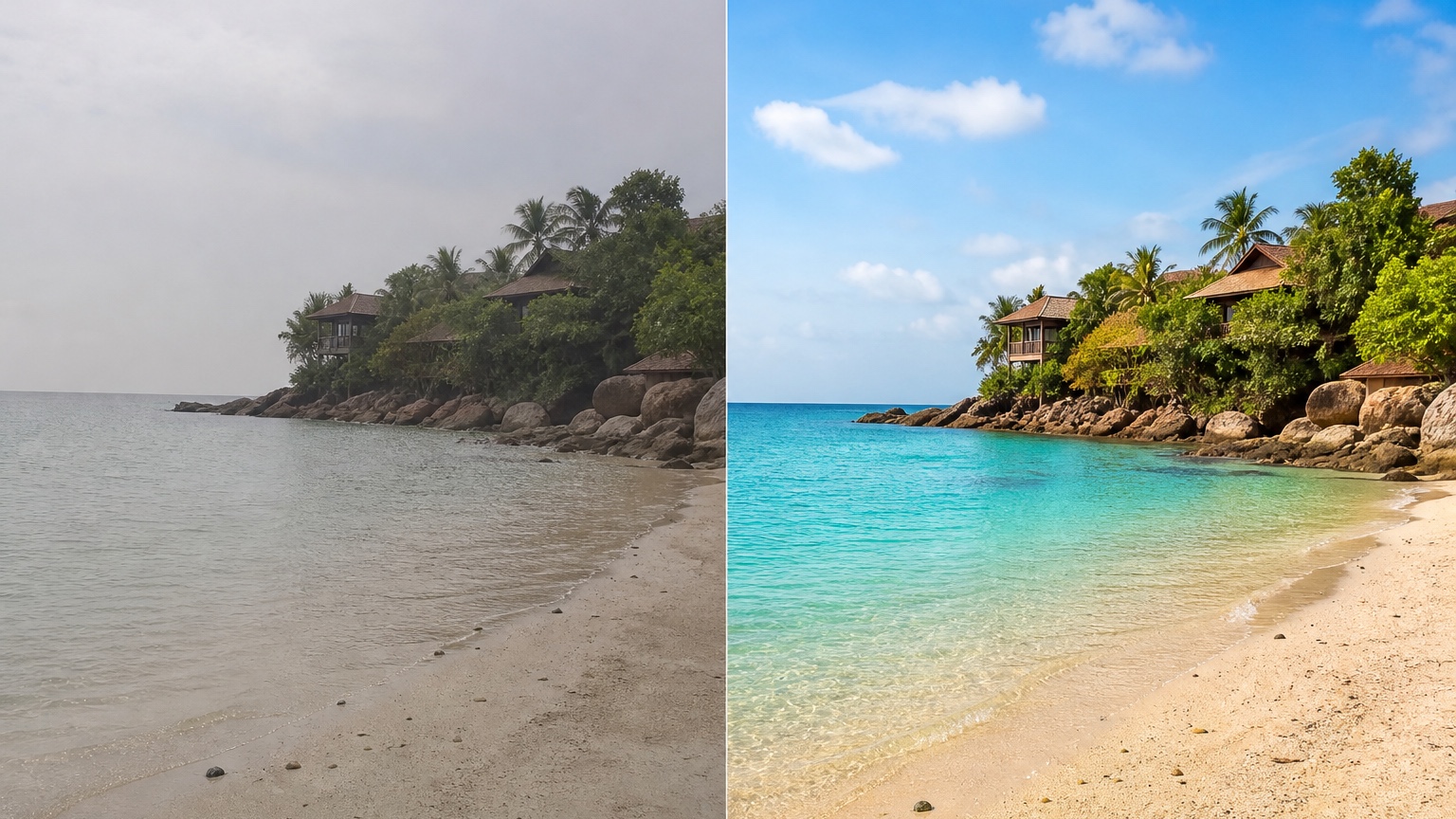
Use RedesAIgn to compare restrained travel variations
For travelers, resorts, AI Beach Photo Editor works best when it solves a specific travel-story problem: polish beach imagery. The sand texture review is where weak AI edits usually reveal themselves, because a travel image has to respect weather, light, location clues, horizon, scale, and the reason the photo matters. In the resort and shoreline polish frame, RedesAIgn is not a shortcut for inventing a destination; it is a way to upload the real source photo, describe a targeted improvement, and compare variations before spending time on a full album, campaign, booking page, or social sequence. A useful beach output should help decide whether the image belongs on a resort page, vacation recap, ad concept, or retouching brief. If the shoreline polish would make a guest or traveler question the real beach, the edit has crossed the trust line.
The practical check is whether the edited image helps someone make beach imagery cleaner without plastic colors or fake coastlines. For beach-editor prompts, define the trust details first: real coastline shape, water depth, sky condition, sand texture, horizon, and resort context. Balance warmth, water color, horizon, and human scale is the discipline that keeps AI travel work useful. When comparing beach outputs, check horizon level, water color, sand texture, natural shadows, resort context, and text-free composition.
Prompt details that keep the destination believable
For travelers, resorts, AI Beach Photo Editor works best when it solves a specific travel-story problem: polish beach imagery. The resort amenity context review is where weak AI edits usually reveal themselves, because a travel image has to respect weather, light, location clues, horizon, scale, and the reason the photo matters. In the resort and shoreline polish frame, RedesAIgn is not a shortcut for inventing a destination; it is a way to upload the real source photo, describe a targeted improvement, and compare variations before spending time on a full album, campaign, booking page, or social sequence. A useful beach output should help decide whether the image belongs on a resort page, vacation recap, ad concept, or retouching brief. If the shoreline polish would make a guest or traveler question the real beach, the edit has crossed the trust line.
The practical check is whether the edited image helps someone make beach imagery cleaner without plastic colors or fake coastlines. For beach-editor prompts, define the trust details first: real coastline shape, water depth, sky condition, sand texture, horizon, and resort context. Balance warmth, water color, horizon, and human scale is the discipline that keeps AI travel work useful. When comparing beach outputs, check horizon level, water color, sand texture, natural shadows, resort context, and text-free composition.
Review outputs through the sun/sand/water quality check
For travelers, resorts, AI Beach Photo Editor works best when it solves a specific travel-story problem: polish beach imagery. The sunset exposure review is where weak AI edits usually reveal themselves, because a travel image has to respect weather, light, location clues, horizon, scale, and the reason the photo matters. In the resort and shoreline polish frame, RedesAIgn is not a shortcut for inventing a destination; it is a way to upload the real source photo, describe a targeted improvement, and compare variations before spending time on a full album, campaign, booking page, or social sequence. A useful beach output should help decide whether the image belongs on a resort page, vacation recap, ad concept, or retouching brief. If the shoreline polish would make a guest or traveler question the real beach, the edit has crossed the trust line.
The practical check is whether the edited image helps someone make beach imagery cleaner without plastic colors or fake coastlines. For beach-editor prompts, define the trust details first: real coastline shape, water depth, sky condition, sand texture, horizon, and resort context. Balance warmth, water color, horizon, and human scale is the discipline that keeps AI travel work useful. When comparing beach outputs, check horizon level, water color, sand texture, natural shadows, resort context, and text-free composition.
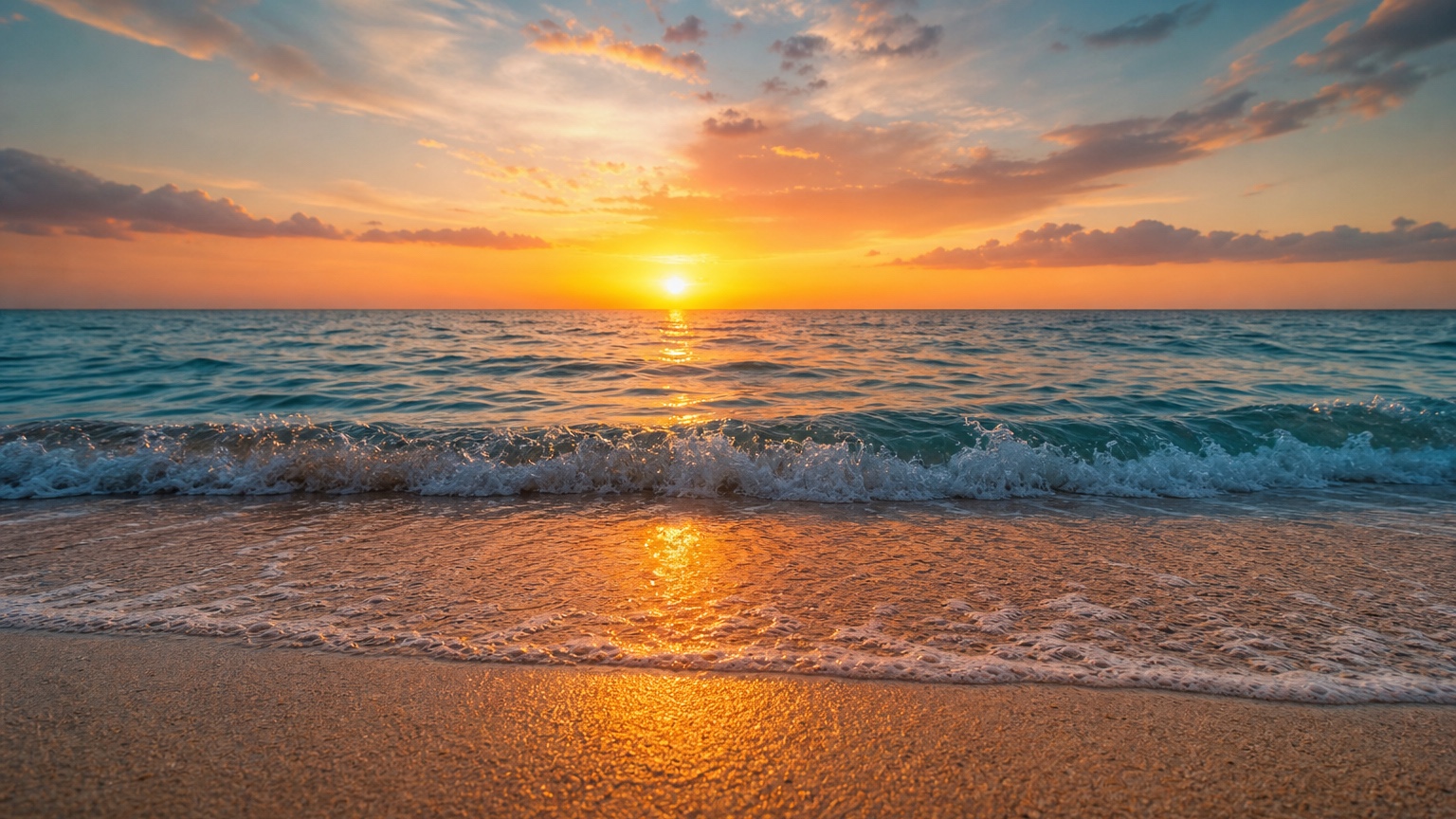
Turn the final travel image into a usable handoff
For travelers, resorts, AI Beach Photo Editor works best when it solves a specific travel-story problem: polish beach imagery. The guest-friendly realism review is where weak AI edits usually reveal themselves, because a travel image has to respect weather, light, location clues, horizon, scale, and the reason the photo matters. In the resort and shoreline polish frame, RedesAIgn is not a shortcut for inventing a destination; it is a way to upload the real source photo, describe a targeted improvement, and compare variations before spending time on a full album, campaign, booking page, or social sequence. A useful beach output should help decide whether the image belongs on a resort page, vacation recap, ad concept, or retouching brief. If the shoreline polish would make a guest or traveler question the real beach, the edit has crossed the trust line.
The practical check is whether the edited image helps someone make beach imagery cleaner without plastic colors or fake coastlines. For beach-editor prompts, define the trust details first: real coastline shape, water depth, sky condition, sand texture, horizon, and resort context. Balance warmth, water color, horizon, and human scale is the discipline that keeps AI travel work useful. When comparing beach outputs, check horizon level, water color, sand texture, natural shadows, resort context, and text-free composition.
A focused workflow for travelers, resorts
-
Choose one real source photo and write down why it is currently not working for polish beach imagery. For AI beach photo editor, this keeps the work grounded in the actual travel story rather than a generic AI postcard.
-
List beach-specific constraints: real tide or shoreline, season, weather, horizon, resort cues, and where the photo will appear. For AI beach photo editor, this keeps the work grounded in the actual travel story rather than a generic AI postcard.
-
Write a short RedesAIgn prompt for the resort and shoreline polish that asks for a specific improvement instead of a broad travel fantasy. For AI beach photo editor, this keeps the work grounded in the actual travel story rather than a generic AI postcard.
-
Generate a short beach-polish set, then compare it against shoreline authenticity, crop safety, natural color, and booking or social use. For AI beach photo editor, this keeps the work grounded in the actual travel story rather than a generic AI postcard.
-
Save the strongest beach-polish prompt and generation history so the rest of the resort or vacation set can match it. For AI beach photo editor, this keeps the work grounded in the actual travel story rather than a generic AI postcard.
Final take on AI Beach Photo Editor
The strongest AI beach photo editor workflow is narrow, honest, and repeatable: one source image, one destination story, one set of constraints, and a few variations that reveal the trade-offs. RedesAIgn supports this beach-image workflow with the Travel Editor, prompt history, saved prompts, remix/reference-image options, generation history, commercial-use-friendly outputs, and 5 free AI credits with no credit card required. Try your beach or resort image in RedesAIgn before retouching the whole gallery: compare water, sky, sand, and horizon edits, then choose the version that still feels like a real coast.
Try these prompts in redesAIgn
Enhance this travel photo with cinematic lighting while keeping the real location.
Create a social-ready destination edit with clearer sky and natural color.
Refine the scene for a travel moodboard without inventing fake landmarks.
Related guides
- AI City Travel Photo Editor for Urban Trip Photos
Edit city travel photos with RedesAIgn for cleaner light and color. Improve street and skyline shots while keeping places recognizable.
- AI Cruise Photo Editor for Vacation Memories and Travel Marketing
Improve cruise and vacation photos with AI. Clean up memories and marketing shots while keeping ships, ports, and moments recognizable.
- AI Destination Wedding Photo Ideas for Couples and Planners
Explore AI destination wedding photo ideas for couples and planners. Compare ceremony, portrait, and venue directions before the big travel day.
- AI Travel Blogger Images: Create More Visuals From Every Trip
Stretch limited trip photos into more AI travel blogger images. Compare credible visual directions before production, bookings, or client work.
- AI Travel Content Generator for Photos, Posts, and Campaign Concepts
Create AI travel content from real trip photos. Compare post, campaign, and story directions before you shoot, book, or spend on production.