AI Travel Blogger Images: Create More Visuals From Every Trip
Last updated: March 20, 2026
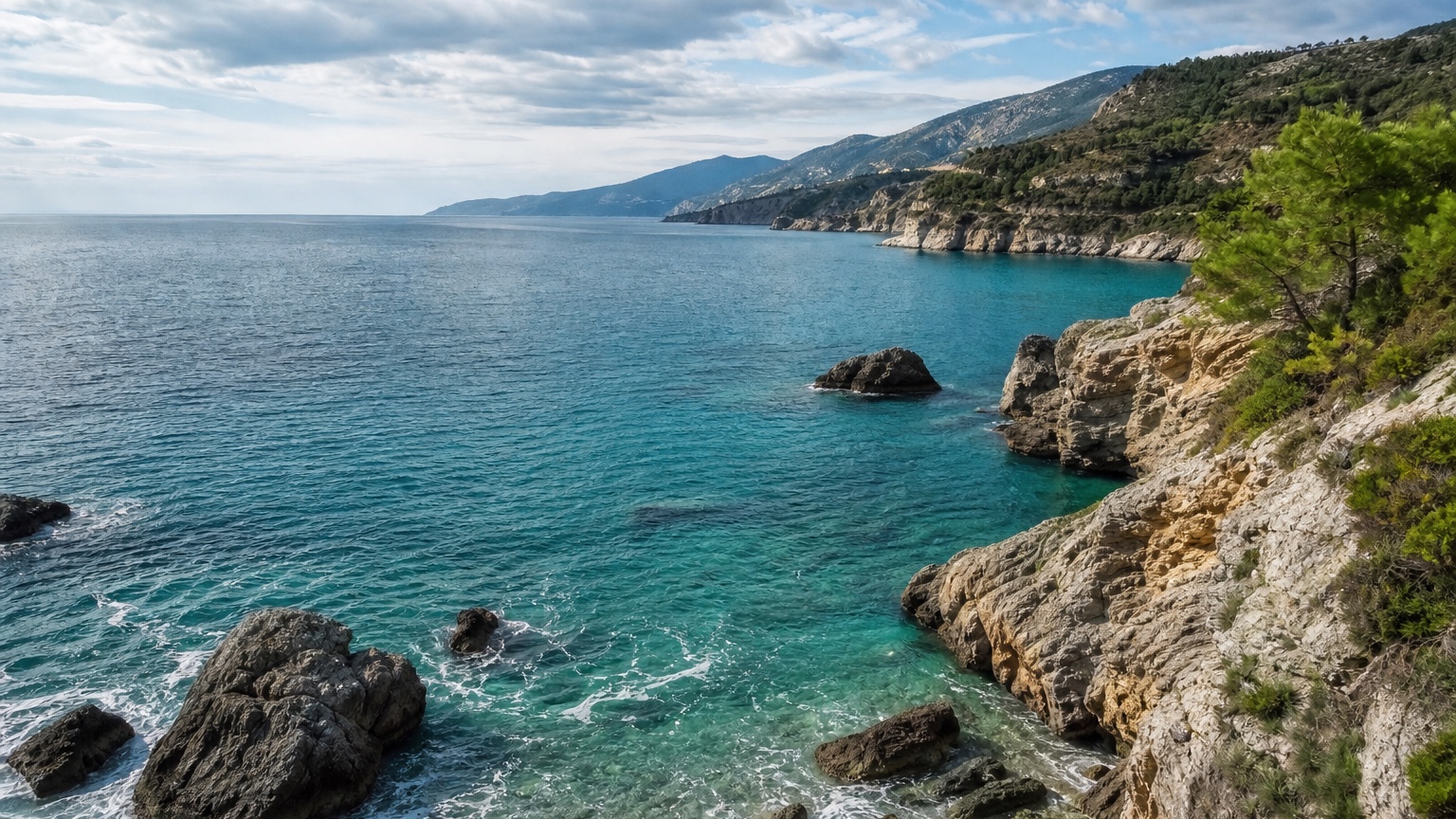
AI Travel Blogger Images: Create More Visuals From Every Trip should help a travel decision become clearer, not simply make an image look more expensive. For travel bloggers, newsletter writers, and itinerary storytellers, the useful question is which underused trip photos can become credible article visuals without pretending a second photoshoot happened. Rank as a practical buyer/problem guide for travel bloggers who want stretch limited photo libraries; frame the post around travel and hospitality storytelling, photo-based visualization, and clear next steps using RedesAIgn. This guide uses a limited-library expansion plan lens so the workflow stays specific. The goal is to prepare the right source photo, write prompts that protect credibility, compare outputs against the real use case, and document the strongest visual direction before money, time, or client trust is at stake.
Why Ai Travel Blogger Images needs a concrete creative brief
A strong AI travel blogger images workflow begins with a brief because travel images carry evidence. Viewers read horizon lines, street detail, clothing, weather, water, vehicle scale, room dimensions, guest spacing, foliage, and camera distance as proof. If those signals are wrong, the picture can be attractive and still damage trust.
Write down the audience, channel, source-photo limits, place facts, and approval question for this limited-library expansion plan project. Name what must stay unchanged, what can be improved, and which visual details would make the output unusable. That turns RedesAIgn from a novelty generator into a practical decision tool.
The private research and spreadsheet outline both point to the same lesson: travel content wins when the image serves a specific story, booking question, article need, or planning conversation. Generic AI decoration is easy to make and hard to use. The useful output is the one that creates a defensible next step.
Prepare the source photo for a archive triage board workflow
Choose a starting image with clean composition, believable light, enough crop room, and no critical subject hidden behind blur or clutter. For travel and hospitality assets, the original camera angle should already support the story because AI usually polishes direction better than it rescues confusion. Avoid source files dominated by signage, logos, faces, or unreadable small details.
For this article, list the place facts before generating: destination type, season, weather, time of day, subject role, property or trip truth, and what should not be added. The safest prompts mention natural daylight, realistic location, wide 16:9 composition, no readable text, no watermark, no fake landmark, and no invented people unless the use case explicitly needs them. Those constraints reduce the visual QA failures that slow publication.
A travel blog archive review should tag images by place truth, season, story beat, crop room, and whether the photo can support a headline without misleading readers. Use the notes as a compact production brief rather than a vague mood sentence. This also makes saved prompts and generation history useful when the next asset needs the same visual language.
Generate and compare concepts inside RedesAIgn
RedesAIgn lets you start free with 5 AI credits and no credit card required, so the first tests can stay small and evidence-based. Use the first generation for a conservative version that preserves the source image. Use later attempts for stronger mood, cleaner composition, seasonal variation, or a channel-specific crop.
The product supports specialized AI editors, prompt-based editing, remix and reference-image workflows, saved prompts, generation history, one-time credit packs, and commercial use when relevant. For travel teams, those features matter because a campaign, itinerary, or blog usually needs a consistent set of visuals instead of one lucky image. Save the winning prompt with a short note explaining why it worked.
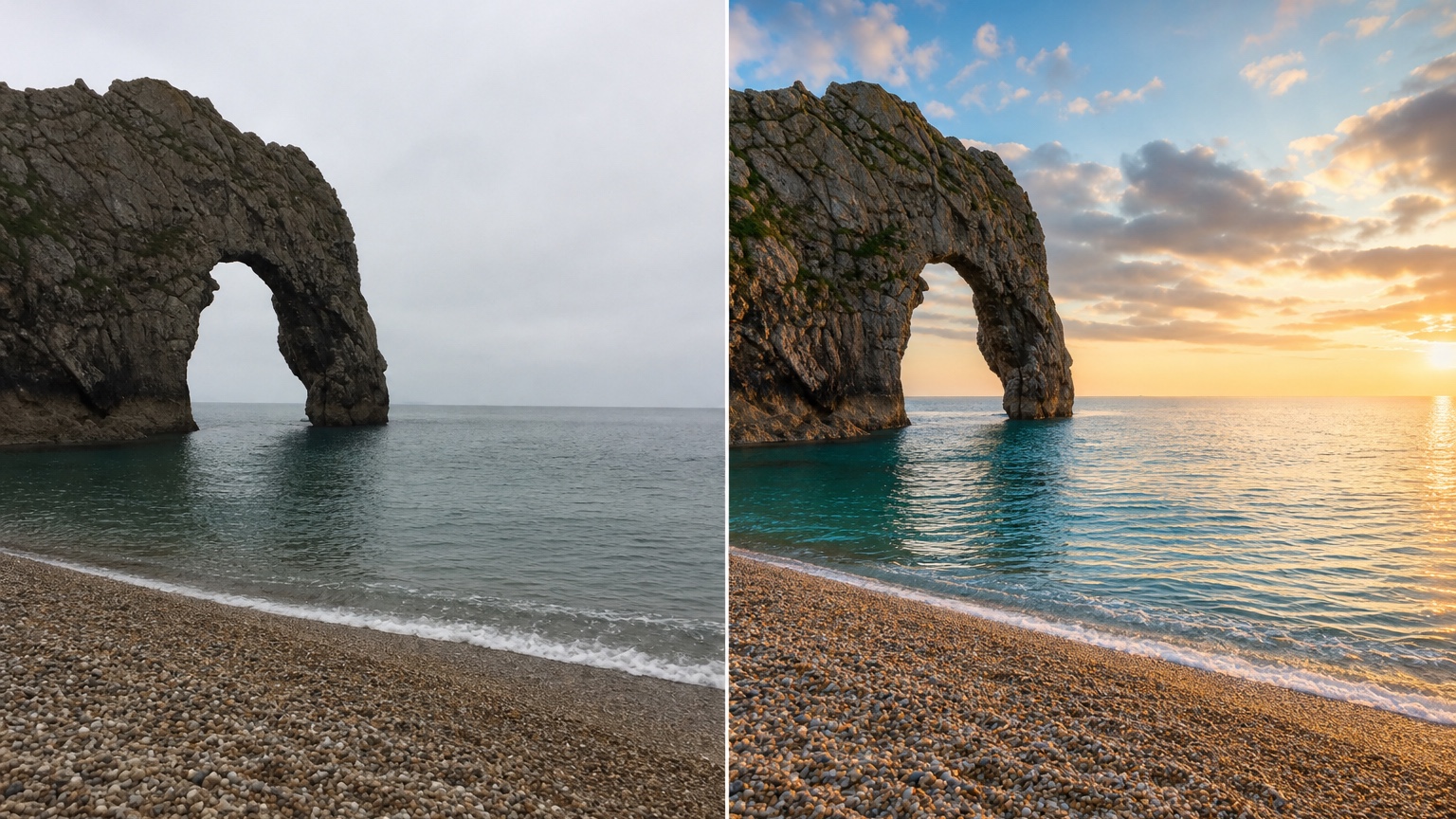
In a story-sequence comparison review, place every output beside the original and score it for realism, usefulness, crop safety, and audience fit. Do not default to the most dramatic version. Choose the version that makes the next publishing, booking, wedding, advisory, or campaign decision easiest to defend.
Run a travel credibility checklist before sharing
Inspect every candidate at full size and then again in the final crop. Look for warped horizons, copied architecture, plastic sky or foliage, impossible shadows, inconsistent reflections, invented logos, pseudo-text, distorted faces, and scenery that conflicts with the stated destination. A concept can be aspirational while still staying honest.
The biggest risk for this use case is making every article image look like generic destination stock rather than a real blogger memory. That mistake usually starts when the prompt asks only for a mood and forgets the decision context. Repair it by returning to the brief and naming the real constraint the visual must respect.
A blogger can reuse visual ideas ethically when every variation still honors the trip, the original scene, and the article promise. Separate internal concepts from publishable candidates so an early experiment does not accidentally become a public promise. Internal images are still useful because they help teams reject weak creative directions quickly.
Package the result for a editorial calendar handoff handoff
Once one concept survives review, turn it into a small handoff package. Include the original photo, accepted output, rejected versions, final prompt, notes about what changed, and the exact channel or stakeholder the image supports. That package lets the next collaborator understand the decision without re-running the whole experiment.
If the asset goes to a client, traveler, couple, hotel team, cruise advisor, editor, or social manager, label it as an AI visualization or concept preview when appropriate. The point is to speed planning and communication, not to blur the line between what already exists and what is being imagined. Clear labels protect trust in travel and hospitality contexts.
RedesAIgn saved prompts and history make this handoff repeatable. Teams can keep prompt families for blog heroes, social crops, itinerary boards, wedding mood sets, cruise memory repairs, city guides, and campaign previews. Over time, the workflow becomes a practical visual operating system rather than a pile of disconnected images.
Common mistakes with AI travel blogger images
Mistake one is chasing luxury, romance, adventure, or city drama before naming the viewer. The output may look polished, but it will not answer the original question. Start with the audience and decision, then describe the scene.
Mistake two is ignoring ordinary production constraints. Mobile crop room, realistic color, place truth, guest comfort, horizon placement, weather clues, logo avoidance, and channel safe areas often decide whether a concept can move forward. A calm believable output usually beats an overbuilt image that fails review.
Mistake three is losing the prompt after a good result appears. Write down the exact phrasing, source-photo assumptions, and review notes so the next visual can build on the win. That habit is what makes RedesAIgn useful for repeatable content work.
A simple RedesAIgn workflow to try today
Pick one source photo or idea related to your AI travel blogger images project and write a one-sentence approval goal. Open RedesAIgn, upload the file or start from a clear prompt, and request a believable 16:9 travel visual with no readable text, no watermark, and no fake place details. For this row, the recommended next step is to turn one underused trip photo into three article-safe variations before planning the next post.
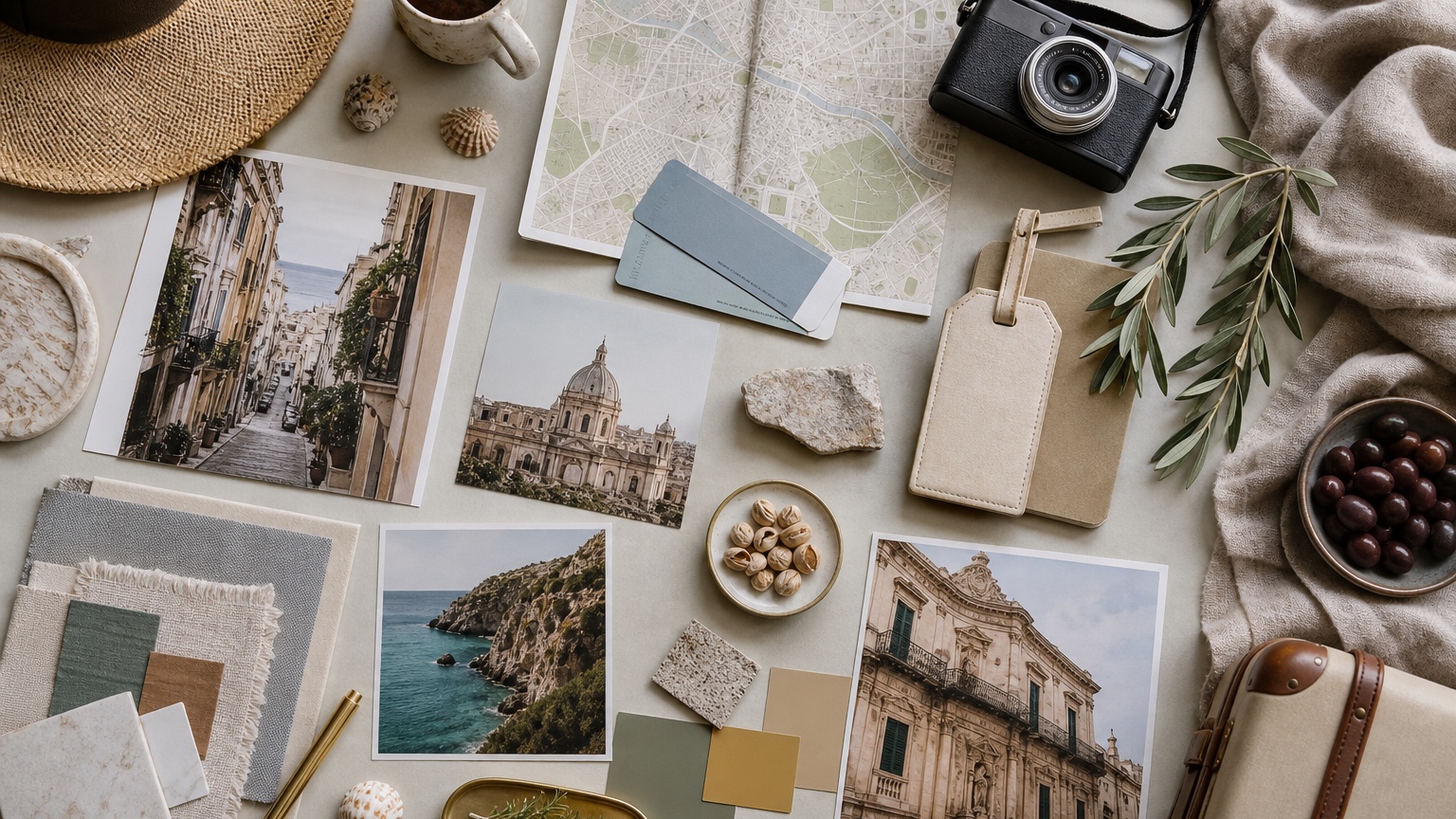
Compare three outputs using a notes grid: what changed, what stayed truthful, what would confuse the viewer, and what decision the image supports. Keep the most useful version, not necessarily the prettiest one. Then save the prompt and repeat the strongest pattern on the next asset.
RedesAIgn offers specialized AI editors, prompt and remix workflows, generation history, saved prompts, one-time credit packs, commercial use, and the free 5-credit start with no credit card required. Use those features to build a practical loop: brief, generate, compare, repair, document, and hand off. That loop helps travel teams move from uncertain image ideas to clearer visual decisions.
Extra review note for AI travel blogger images
For a travel blogger, the final review should also ask whether the concept supports a real paragraph in the article. If the image cannot be connected to a route choice, packing tip, hotel note, neighborhood walk, dining memory, or budget lesson, it may be decorative even when it looks good. Keep a short caption draft beside the file and reject outputs that require an exaggerated story to explain them.
FAQ
Who should use AI travel blogger images?
Ai Travel Blogger Images is useful for travel bloggers who need to compare credible visual directions before spending money on production, campaigns, bookings, consultations, or client presentations.
How do I keep AI travel blogger images outputs believable?
Start with a real brief, protect place facts, avoid fake text or logos, inspect full-size details, and keep concept previews separate from final publishable assets.
Why use RedesAIgn instead of a generic image idea?
RedesAIgn gives you photo editing, prompt and remix workflows, saved prompts, history, specialized editors, and a free start with 5 AI credits so you can test visual directions before committing to a larger process.
Try these prompts in redesAIgn
Enhance this travel photo with cinematic lighting while keeping the real location.
Create a social-ready destination edit with clearer sky and natural color.
Refine the scene for a travel moodboard without inventing fake landmarks.
Related guides
- AI City Travel Photo Editor for Urban Trip Photos
Edit city travel photos with RedesAIgn for cleaner light and color. Improve street and skyline shots while keeping places recognizable.
- AI Cruise Photo Editor for Vacation Memories and Travel Marketing
Improve cruise and vacation photos with AI. Clean up memories and marketing shots while keeping ships, ports, and moments recognizable.
- AI Destination Wedding Photo Ideas for Couples and Planners
Explore AI destination wedding photo ideas for couples and planners. Compare ceremony, portrait, and venue directions before the big travel day.
- AI Travel Content Generator for Photos, Posts, and Campaign Concepts
Create AI travel content from real trip photos. Compare post, campaign, and story directions before you shoot, book, or spend on production.
- AI Beach Photo Editor for Vacation, Resort, and Social Images
Improve beach and vacation photos with RedesAIgn. Compare believable destination edits while keeping the real shoreline, light, and scene honest.