AI Travel Photo Editor: Improve Vacation Photos and Destination Content
Last updated: March 19, 2026
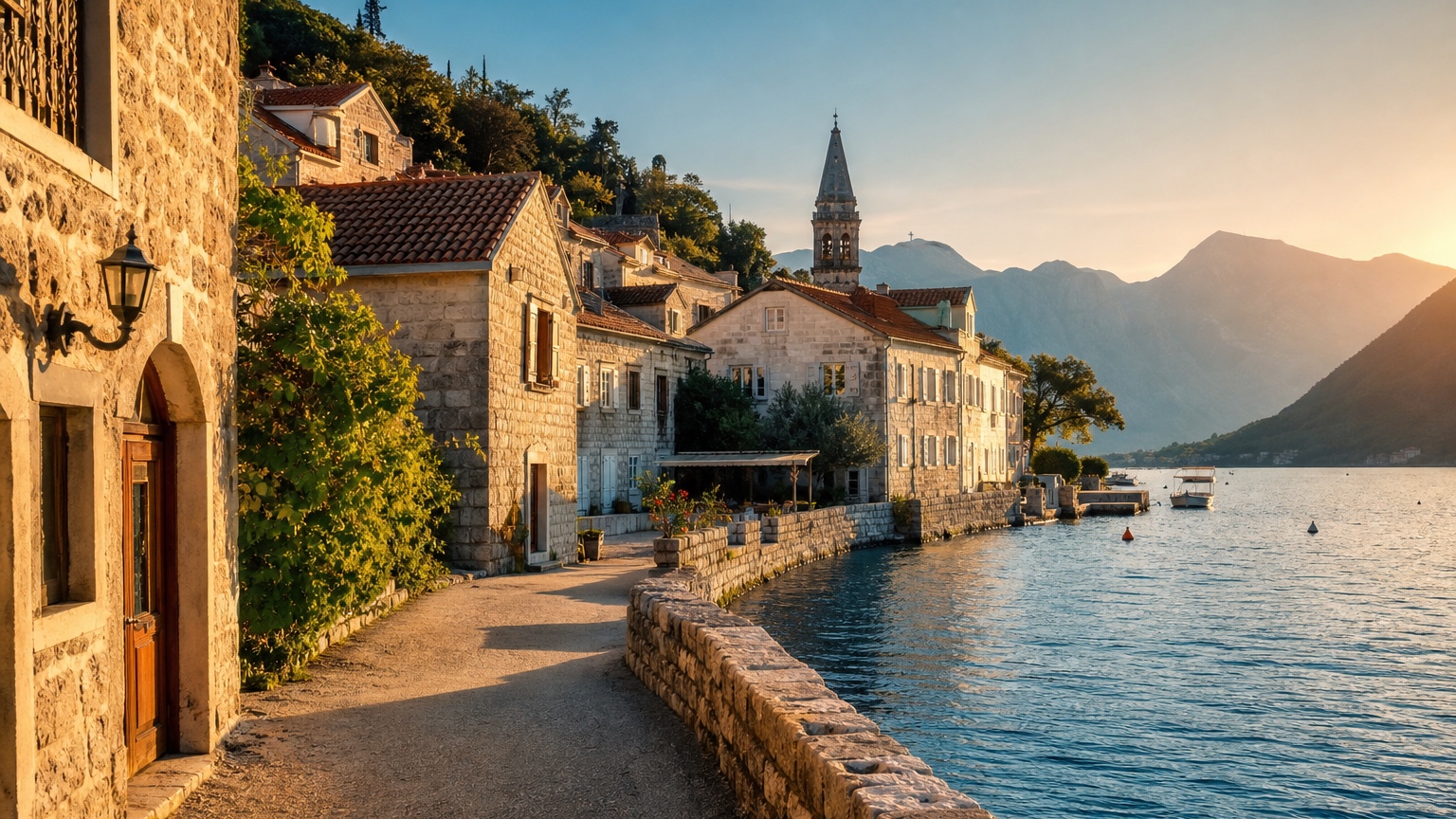
AI Travel Photo Editor should improve the way a real trip, resort, or destination story is understood. A travel-photo edit should lift the real scene instead of turning it into a generic postcard from nowhere. Travelers, creators usually need help because they want to fix or enhance travel photos, but the source photo may have dull light, distracting objects, awkward crop, flat color, or a mood that does not match the memory or campaign. For this repair-led use case, RedesAIgn gives the traveler a visual workspace: upload the original shot, choose the Travel Editor, write a precise improvement prompt, use remix or reference-image guidance when needed, and compare saved generations instead of relying on vague editing notes. The goal is a cleaner memory or creator asset that stays credible when someone asks where the photo was taken.
AI Travel Photo Editor: start with the vacation-photo edit brief
For travelers, creators, AI Travel Photo Editor works best when it solves a specific travel-story problem: fix or enhance travel photos. The weather recovery review is where weak AI edits usually reveal themselves, because a travel image has to respect weather, light, location clues, horizon, scale, and the reason the photo matters. In the memory repair pass frame, RedesAIgn is not a shortcut for inventing a destination; it is a way to upload the real source photo, describe a targeted improvement, and compare variations before spending time on a full album, campaign, booking page, or social sequence. A useful output should make one decision easier: post the saved image, print it, brief a collaborator, send it to a client, or decide the photo needs a retake. If the edited version would make the traveler hesitate when explaining the real moment, the repair pass has moved beyond honest enhancement.
The practical check is whether the edited image helps someone rescue a real trip image without inventing a place. For a travel-photo editor prompt, define the truth line first: keep the street or coast plausible, preserve subject identity, match seasonal light, and clean destination clues without inventing new ones. Keep the destination honest while improving the frame is the discipline that keeps AI travel work useful. When comparing travel-repair outputs, check natural shadows, level horizons, believable sky color, realistic plants or buildings, and enough empty space for captions outside the image.
Preserve place identity before editing AI travel photo editor
For travelers, creators, AI Travel Photo Editor works best when it solves a specific travel-story problem: fix or enhance travel photos. The crowd distraction review is where weak AI edits usually reveal themselves, because a travel image has to respect weather, light, location clues, horizon, scale, and the reason the photo matters. In the memory repair pass frame, RedesAIgn is not a shortcut for inventing a destination; it is a way to upload the real source photo, describe a targeted improvement, and compare variations before spending time on a full album, campaign, booking page, or social sequence. A useful output should make one decision easier: post the saved image, print it, brief a collaborator, send it to a client, or decide the photo needs a retake. If the edited version would make the traveler hesitate when explaining the real moment, the repair pass has moved beyond honest enhancement.
The practical check is whether the edited image helps someone rescue a real trip image without inventing a place. For a travel-photo editor prompt, define the truth line first: keep the street or coast plausible, preserve subject identity, match seasonal light, and clean destination clues without inventing new ones. Keep the destination honest while improving the frame is the discipline that keeps AI travel work useful. When comparing travel-repair outputs, check natural shadows, level horizons, believable sky color, realistic plants or buildings, and enough empty space for captions outside the image.
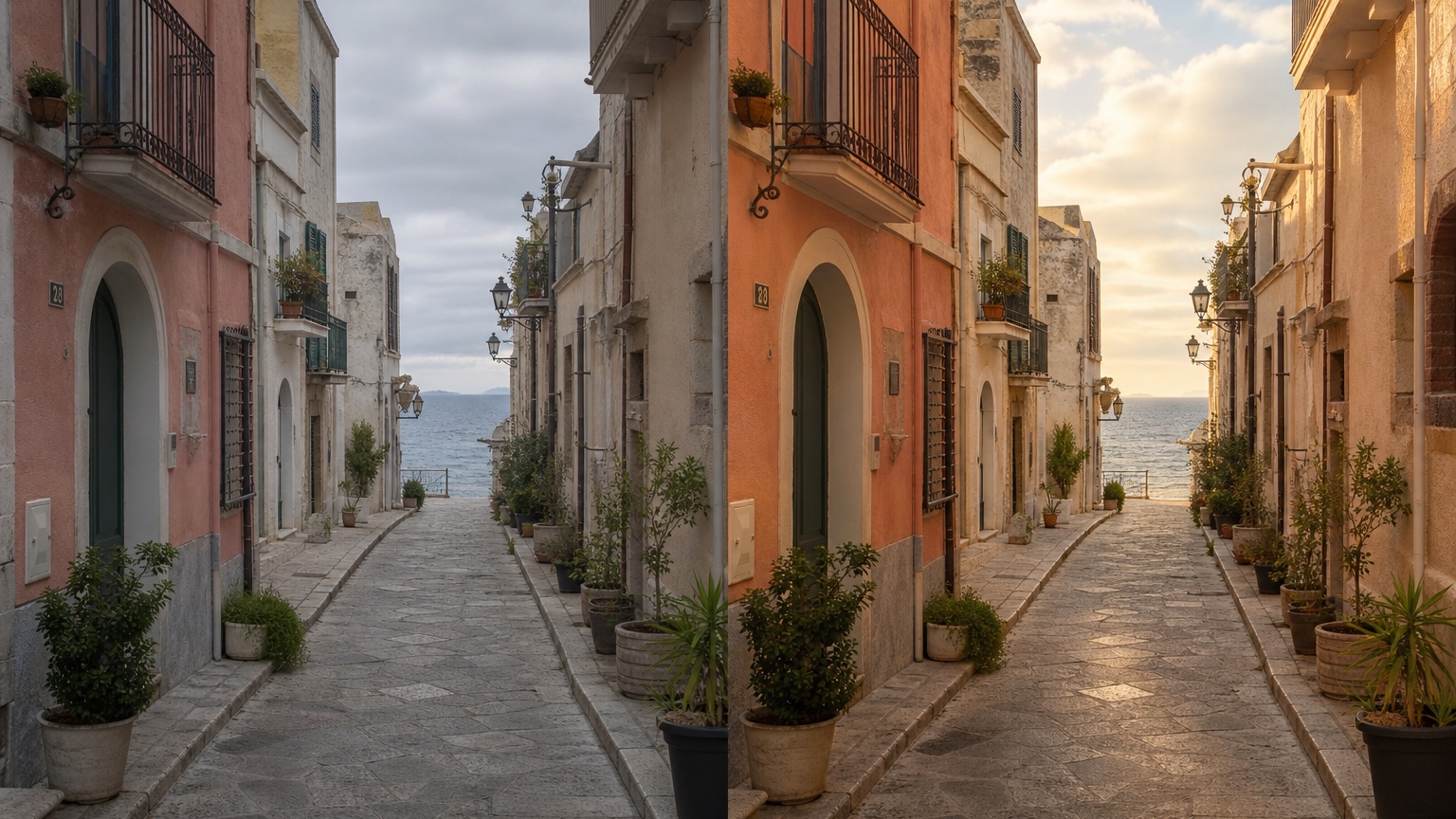
Use RedesAIgn to compare restrained travel variations
For travelers, creators, AI Travel Photo Editor works best when it solves a specific travel-story problem: fix or enhance travel photos. The composition crop review is where weak AI edits usually reveal themselves, because a travel image has to respect weather, light, location clues, horizon, scale, and the reason the photo matters. In the memory repair pass frame, RedesAIgn is not a shortcut for inventing a destination; it is a way to upload the real source photo, describe a targeted improvement, and compare variations before spending time on a full album, campaign, booking page, or social sequence. A useful output should make one decision easier: post the saved image, print it, brief a collaborator, send it to a client, or decide the photo needs a retake. If the edited version would make the traveler hesitate when explaining the real moment, the repair pass has moved beyond honest enhancement.
The practical check is whether the edited image helps someone rescue a real trip image without inventing a place. For a travel-photo editor prompt, define the truth line first: keep the street or coast plausible, preserve subject identity, match seasonal light, and clean destination clues without inventing new ones. Keep the destination honest while improving the frame is the discipline that keeps AI travel work useful. When comparing travel-repair outputs, check natural shadows, level horizons, believable sky color, realistic plants or buildings, and enough empty space for captions outside the image.
Prompt details that keep the destination believable
For travelers, creators, AI Travel Photo Editor works best when it solves a specific travel-story problem: fix or enhance travel photos. The color restraint review is where weak AI edits usually reveal themselves, because a travel image has to respect weather, light, location clues, horizon, scale, and the reason the photo matters. In the memory repair pass frame, RedesAIgn is not a shortcut for inventing a destination; it is a way to upload the real source photo, describe a targeted improvement, and compare variations before spending time on a full album, campaign, booking page, or social sequence. A useful output should make one decision easier: post the saved image, print it, brief a collaborator, send it to a client, or decide the photo needs a retake. If the edited version would make the traveler hesitate when explaining the real moment, the repair pass has moved beyond honest enhancement.
The practical check is whether the edited image helps someone rescue a real trip image without inventing a place. For a travel-photo editor prompt, define the truth line first: keep the street or coast plausible, preserve subject identity, match seasonal light, and clean destination clues without inventing new ones. Keep the destination honest while improving the frame is the discipline that keeps AI travel work useful. When comparing travel-repair outputs, check natural shadows, level horizons, believable sky color, realistic plants or buildings, and enough empty space for captions outside the image.
Review outputs through the truthful enhancement review
For travelers, creators, AI Travel Photo Editor works best when it solves a specific travel-story problem: fix or enhance travel photos. The caption fit review is where weak AI edits usually reveal themselves, because a travel image has to respect weather, light, location clues, horizon, scale, and the reason the photo matters. In the memory repair pass frame, RedesAIgn is not a shortcut for inventing a destination; it is a way to upload the real source photo, describe a targeted improvement, and compare variations before spending time on a full album, campaign, booking page, or social sequence. A useful output should make one decision easier: post the saved image, print it, brief a collaborator, send it to a client, or decide the photo needs a retake. If the edited version would make the traveler hesitate when explaining the real moment, the repair pass has moved beyond honest enhancement.
The practical check is whether the edited image helps someone rescue a real trip image without inventing a place. For a travel-photo editor prompt, define the truth line first: keep the street or coast plausible, preserve subject identity, match seasonal light, and clean destination clues without inventing new ones. Keep the destination honest while improving the frame is the discipline that keeps AI travel work useful. When comparing travel-repair outputs, check natural shadows, level horizons, believable sky color, realistic plants or buildings, and enough empty space for captions outside the image.
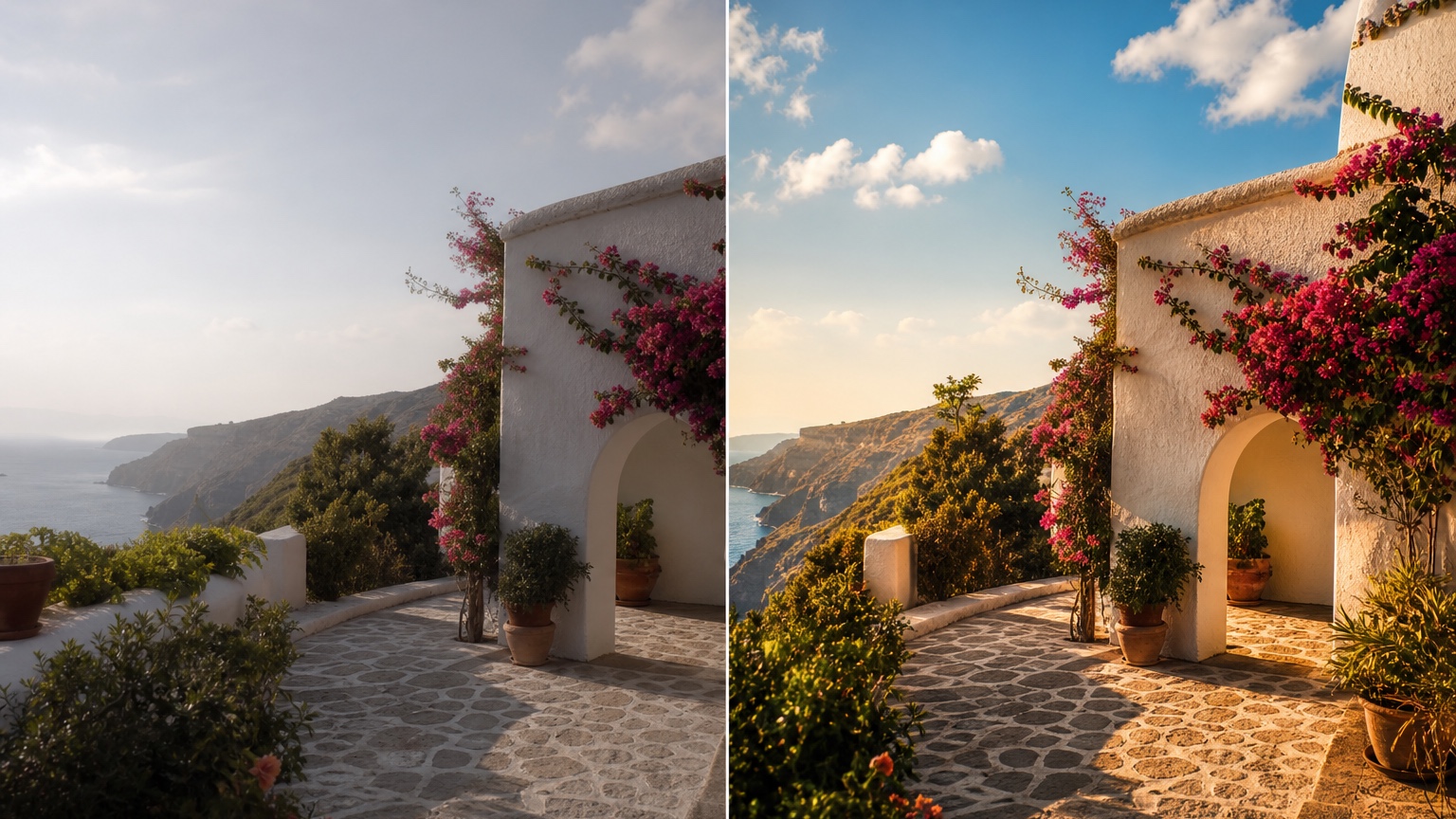
Turn the final travel image into a usable handoff
For travelers, creators, AI Travel Photo Editor works best when it solves a specific travel-story problem: fix or enhance travel photos. The creator handoff review is where weak AI edits usually reveal themselves, because a travel image has to respect weather, light, location clues, horizon, scale, and the reason the photo matters. In the memory repair pass frame, RedesAIgn is not a shortcut for inventing a destination; it is a way to upload the real source photo, describe a targeted improvement, and compare variations before spending time on a full album, campaign, booking page, or social sequence. A useful output should make one decision easier: post the saved image, print it, brief a collaborator, send it to a client, or decide the photo needs a retake. If the edited version would make the traveler hesitate when explaining the real moment, the repair pass has moved beyond honest enhancement.
The practical check is whether the edited image helps someone rescue a real trip image without inventing a place. For a travel-photo editor prompt, define the truth line first: keep the street or coast plausible, preserve subject identity, match seasonal light, and clean destination clues without inventing new ones. Keep the destination honest while improving the frame is the discipline that keeps AI travel work useful. When comparing travel-repair outputs, check natural shadows, level horizons, believable sky color, realistic plants or buildings, and enough empty space for captions outside the image.
A focused workflow for travelers, creators
-
Choose one real source photo and write down why it is currently not working for fix or enhance travel photos. For AI travel photo editor, this keeps the work grounded in the actual travel story rather than a generic AI postcard.
-
List the non-negotiable repair details: actual season, weather, horizon, recognizable setting, subject identity, and the publishing constraint. For AI travel photo editor, this keeps the work grounded in the actual travel story rather than a generic AI postcard.
-
Write a short RedesAIgn prompt for the memory repair pass that asks for a specific improvement instead of a broad travel fantasy. For AI travel photo editor, this keeps the work grounded in the actual travel story rather than a generic AI postcard.
-
Generate a few repair options, then compare them against authenticity, crop safety, restrained color, and the final album or post. For AI travel photo editor, this keeps the work grounded in the actual travel story rather than a generic AI postcard.
-
Save the strongest repair prompt and generation history so the next travel album starts from a proven editing standard. For AI travel photo editor, this keeps the work grounded in the actual travel story rather than a generic AI postcard.
Final take on AI Travel Photo Editor
The strongest AI travel photo editor workflow is narrow, honest, and repeatable: one source image, one destination story, one set of constraints, and a few variations that reveal the trade-offs. RedesAIgn supports this honest repair workflow with specialized editors, saved prompts, remix/reference-image options, generation history, commercial-use-friendly outputs, and a free start of 5 AI credits with no credit card required. Open RedesAIgn with one travel photo, describe the honest improvement you want, and spend the 5 free credits testing edits that preserve the real destination before you publish or print anything.
Try these prompts in redesAIgn
Enhance this travel photo with cinematic lighting while keeping the real location.
Create a social-ready destination edit with clearer sky and natural color.
Refine the scene for a travel moodboard without inventing fake landmarks.
Related guides
- AI City Travel Photo Editor for Urban Trip Photos
Edit city travel photos with RedesAIgn for cleaner light and color. Improve street and skyline shots while keeping places recognizable.
- AI Cruise Photo Editor for Vacation Memories and Travel Marketing
Improve cruise and vacation photos with AI. Clean up memories and marketing shots while keeping ships, ports, and moments recognizable.
- AI Destination Wedding Photo Ideas for Couples and Planners
Explore AI destination wedding photo ideas for couples and planners. Compare ceremony, portrait, and venue directions before the big travel day.
- AI Travel Blogger Images: Create More Visuals From Every Trip
Stretch limited trip photos into more AI travel blogger images. Compare credible visual directions before production, bookings, or client work.
- AI Travel Content Generator for Photos, Posts, and Campaign Concepts
Create AI travel content from real trip photos. Compare post, campaign, and story directions before you shoot, book, or spend on production.